More than half of Canadians have “some level of concern or skepticism” about Ottawa’s handling of the country’s cost of living issues, a new survey suggests.
A poll from Abacus Data this month asked Canadians if they are satisfied with the federal government’s response to the cost of living.
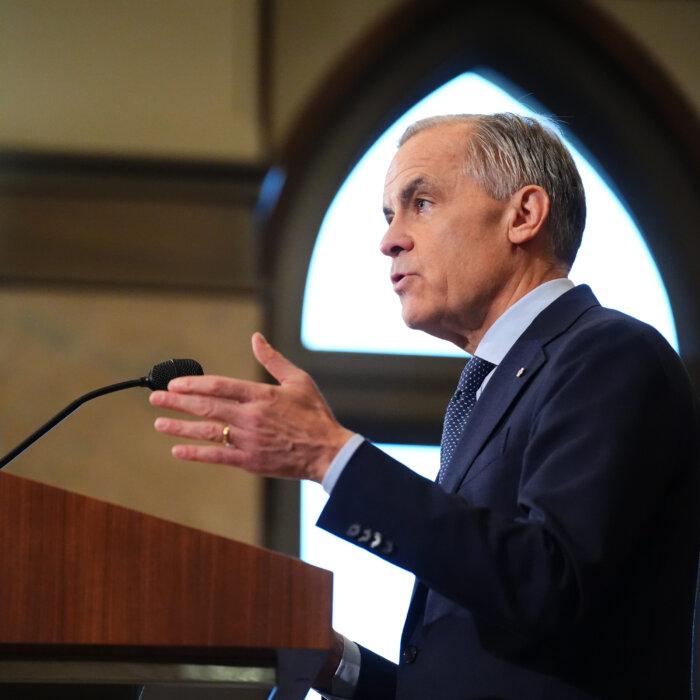
While 32 percent say Prime Minister Mark Carney is doing what he “reasonably can” to help people manage the cost of living, a larger percentage said they were either concerned or skeptical of his approach, according to Abacus Data.
Twenty-three percent of those polled said Carney has not sufficiently prioritized cost of living issues, while another 21 percent said they believe Carney wants to help, but his policies are unlikely to make a meaningful difference. Another 12 percent said the government’s approach will actually make the situation worse, and 11 percent said they are uncertain.
“Taken together, these results suggest that while there is openness to government action, many Canadians remain unconvinced about its effectiveness or focus,”Abacus Data CEO David Coletto said in a post presenting the survey findings.
“A sizeable share of Canadians occupy a middle ground recognizing the effort, but questioning whether it will be enough,” Coletto added. “The overall public mood is one of cautious acceptance: appreciative of action, but still looking for more substantial solutions to the cost-of-living challenge.”
Canadians were also split on the impact of Ottawa’s decision to temporarily suspend the federal fuel excise tax.
Carney announced earlier this month his government’s plan to suspend the federal fuel excise tax on gas and diesel beginning April 20 until Labour Day in response to the sharp increase in fuel prices caused by the war in the Middle East.
Sixty-four percent of Canadians say the decision will help reduce the cost of living, but only 13 percent said they thought it will help “a lot,” according to the latest survey from polling firm Abacus Data.
Fifty-one percent of the 2,000 Canadians polled said it will help “somewhat” while 29 percent do not expect it to help at all. Eight percent were uncertain.
“The results suggest the policy is broadly welcomed as a step in the right direction, but not seen as transformative on its own,” Coletto said. “This produces a net positive assessment of +35, indicating that while expectations are tempered, the measure is broadly seen as beneficial.”
Opinions were similar across the country with majorities in every region saying the policy will provide at least some relief.
Saskatchewan and Manitoba were the most optimistic, with 68 percent saying it will help at least somewhat and 28 percent saying it will not. Ontario came next, with 67 percent saying it will help somewhat and 27 percent saying it won’t.
Alberta was the most skeptical of the regions, with 53 percent saying the measure will help, and 37 percent saying it won’t.
Young Canadians were the most optimistic about the gas tax cut. Seventy-seven percent of those in the 18 to 29 demographic said the policy will help, including 25 percent who said they believe it will help “a lot.”
Expectations are more tempered among those aged 30 to 44. Fifty-five percent say it will help to some extent, whereas 36 percent believe it will not.
Approximately 60 percent of Canadians aged 45 to 59 and those 60 and older said they believe the measure will help, but few anticipate it will make a big difference.
Fuel prices have risen sharply in Canada in recent months due to the conflict in the Middle East, which has led to disruptions in the global oil supply chain.
The federal fuel excise tax aims to reduce operating costs for truckers and businesses in the food, agriculture, housing, construction, and delivery sectors and is expected to cost the government approximately $2.4 billion, according to the Prime Minister’s Office.