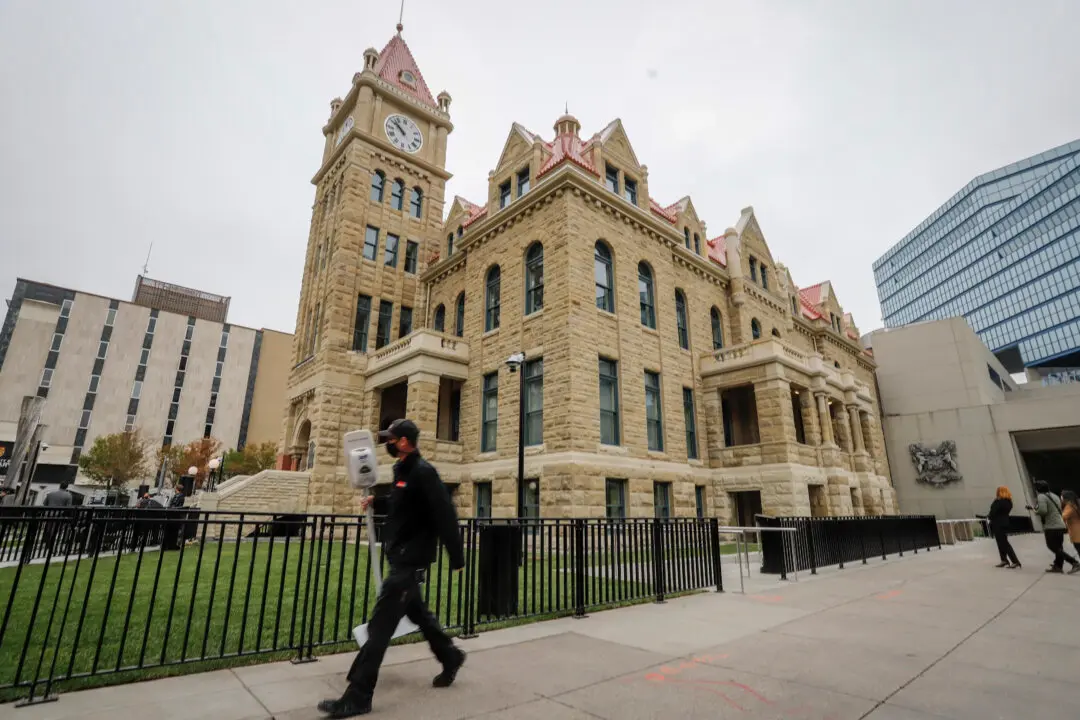
A majority of Canadians, including B.C. residents, say they support the idea of an Alberta-B.C. pipeline to the north coast, according to a recent survey.
According to the survey, 56 percent of residents of B.C., whose premier is clashing with Alberta’s over a proposed pipeline, also support such a project. Around 33 percent of B.C. residents said they were opposed to it.
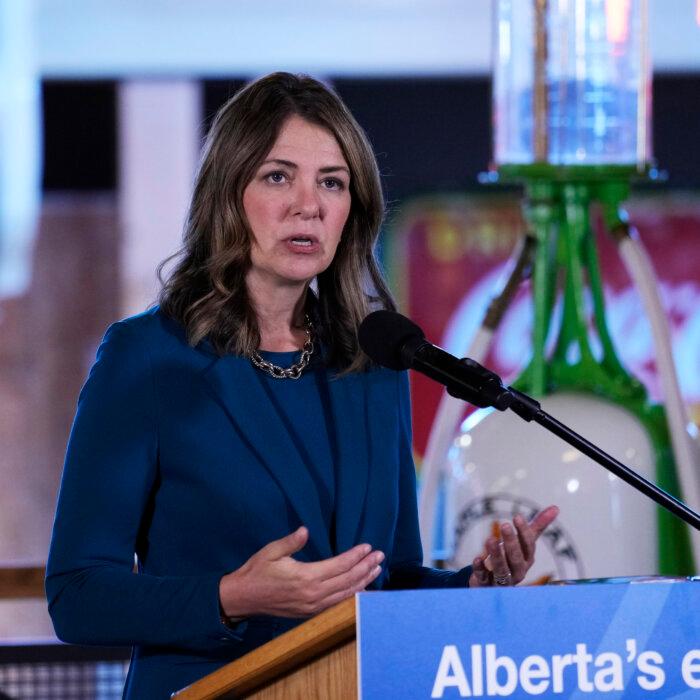
The survey comes after Alberta Premier Danielle Smith said her province would take on the task of applying to the federal Major Projects Office (MPO) for a new bitumen pipeline from Alberta to B.C.’s northwest coast.
The MPO was launched in August and is part of the federal plan to fast-track projects that are considered in the national interest. It was created as part of the Building Canada Act introduced by Prime Minister Mark Carney’s Liberal government.
Other Provinces
A majority of Canadians in other provinces also support the pipeline project, with 78 percent in Alberta, 77 percent in Saskatchewan, 66 in Manitoba, and 59 percent in Ontario indicating their support in the survey.Those numbers were 50 percent in Quebec, and 55 percent in Atlantic Canada.
While the majority said they support such a project, 46 percent of Canadians said that the province on whose land a pipeline is built should have veto rights or its conditions met.
Smith noted that another obstacle to the pipeline is the Oil Tanker Moratorium Act, which received royal assent in 2019. The Act prevents oil tankers of a certain size from stopping, loading, or unloading crude oil on parts of the B.C. coast.
Canadians were mixed on how to handle the ban, according to the survey results, with 23 percent saying the ban should be lifted, while 26 percent said an exemption should be made for this project. Twenty-one percent said they were not sure, and 29 percent said the ban should stay.
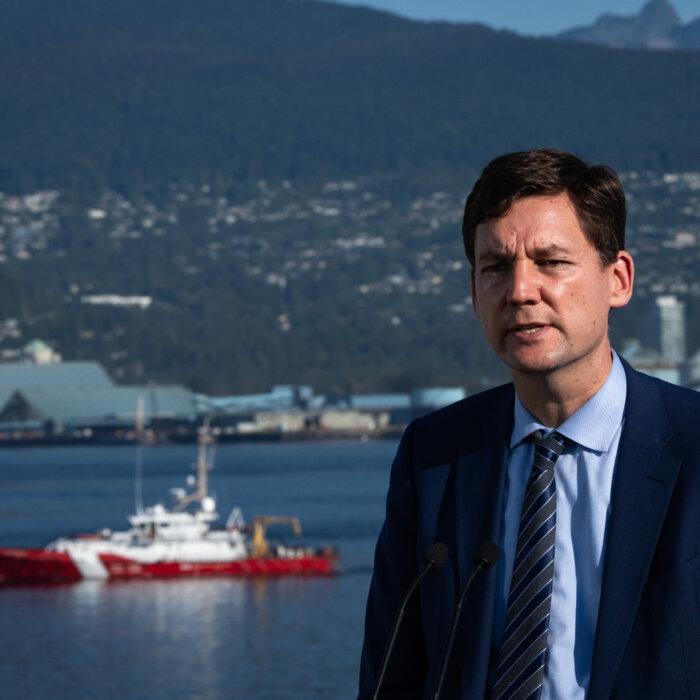
Eby said the pipeline would “threaten” the ecosystem on B.C.’s coast and the Great Bear Rainforest, and affect jobs and projects in the province.
Smith responded by saying Alberta would “not tolerate being landlocked” by its neighbouring province. She added that Eby has “demonized” the oil and gas industry, which she said has created significant wealth for B.C. and for Canada.
She said that Carney and every province “must support their fellow provinces’ initiatives to develop and export their most valuable resources.”
Smith said that she hoped Carney would “realize it’s his obligation to make sure that these kinds of projects get built.”
She has previously said that she expects an agreement with the prime minister in November about how Ottawa will address what she has called the “nine bad laws,” which are federal policies she says hinder Alberta’s natural resource development.
“I think he has demonstrated that if something isn’t working, that he’s prepared to repeal or modify,” she said. “I don’t want to get ahead of our potential agreement, but do know [that] is factoring into the discussions that we hope to have an answer for by Grey Cup.”
The online survey included 1,673 adults and was conducted from Oct. 7 to 9. Angus Reid said that for comparison purposes, a probability of the sample size would have a margin of error of plus or minus two percentage points, 19 times out of 20.