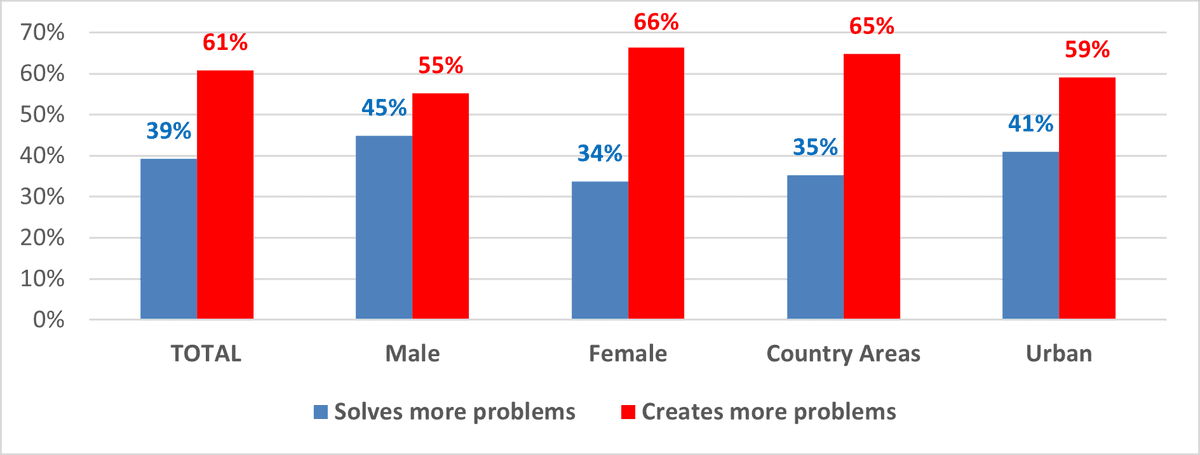
Australians are becoming increasingly sceptical about artificial intelligence (AI) and the majority now believe that it creates more problems than it solves, according to the latest data from Roy Morgan Research.
The number of people with a negative view has jumped 8 points to 65 percent since the question was last asked in 2023.
As with the previous survey, scepticism is higher among women, older people, and those living in regional areas.
The End of Humanity
There has also been an increase in those who believe AI presents a risk of human extinction—one in four now feel that way, up from one in five two years ago.The age differential for this question is basically reversed: concern is highest among 25 to 34-year-olds (32 percent), followed by 35 to 49 (26 percent), 50 to 64 (25 percent), 18 to 24 (22 percent) and 65+ (21 percent).
But things are different on a state-by-state comparison.

Despite their high level of reservation about the usefulness of AI, only 15 percent of Tasmanians think it’s going to replace humanity.
A Problem Solver or Problem Generator?
Among the people who think AI solves more problems than it creates, 23 percent cited gains in productivity, 15 percent access to knowledge and learning, and 12 percent see it as contributing to medical and scientific advances.But 20 percent say their optimism is based on the fact that they see AI as a neutral tool that won’t go wrong unless it’s misused, and 7 percent are relying on regulation, governance, and control by government and business.
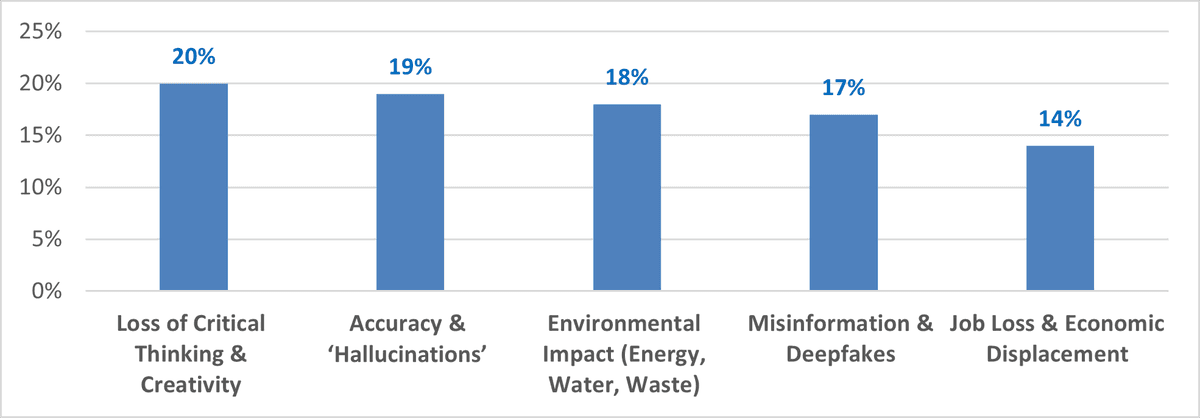
The pessimists point to the loss of critical thinking and creativity, inaccuracy and “hallucinations” and the environmental impact of the energy needed to power the “server farms” on which the technology runs.
Misinformation and deepfakes also concerned people, as did job losses as a result of AI replacing human workers.
“Artificial intelligence is reshaping our world faster than most Australians ever imagined, and that rapid change is fuelling both excitement and unease,” said Roy Morgan CEO Michele Levine.
“What’s particularly revealing is that when people are asked to think personally rather than abstractly, their views soften.
Many see direct benefits in productivity, learning and access to knowledge, yet even then, a clear majority of 69 percent still feel AI creates more problems than it solves.”
Levine highlighted that Australians are keen to utilise AI but remain aware that its success relies on “trust, transparency, and human oversight.”
“A surprising one in four Australians now see artificial intelligence as a potential existential risk within 20 years, up 5 points since 2023. This shift highlights growing public awareness that the future of AI is not just a technological question but a moral and societal one,” she said.