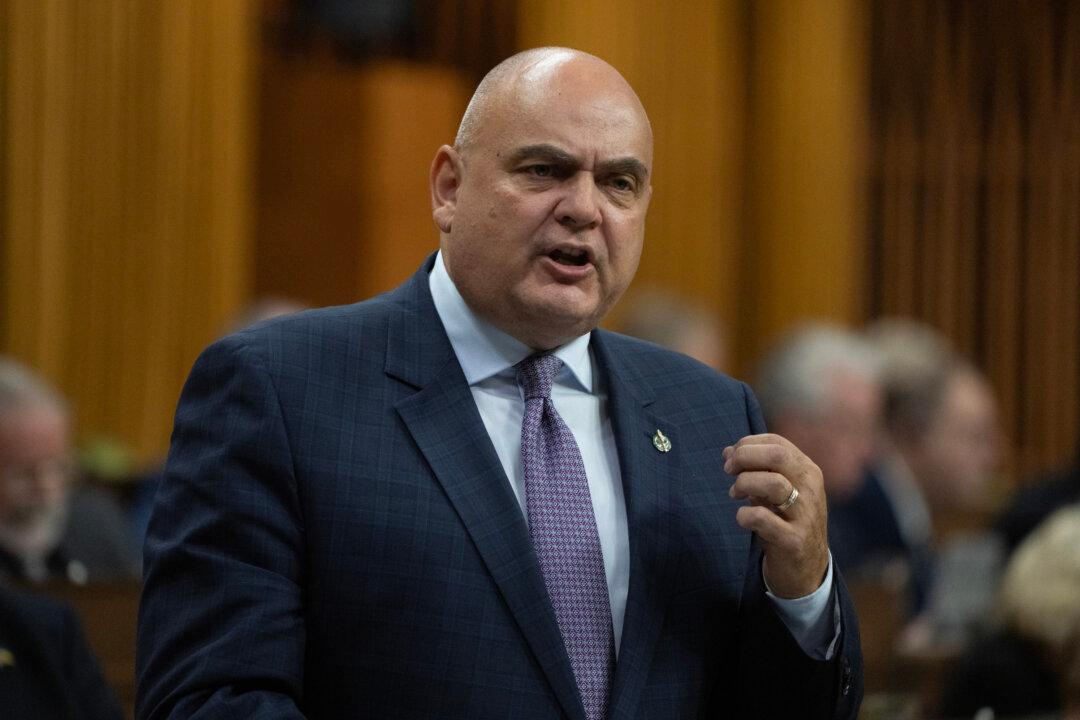
The April 13 byelections and recent defections have given the Liberal Party a majority government, fundamentally changing the dynamics in the House of Commons.
The governing Liberals now hold a majority of 174 seats, while opposition parties have 169 seats.
Liberals
In addition to winning all three byelections, the Liberal Party performed better than it did in the 2025 election in terms of voter share. The party’s voter share in University—Rosedale in Toronto rose to 64.4 percent from 64 percent, in Scarborough Southwest in Toronto to 69.9 percent from 61.5 percent, and in Terrebonne in the Montreal area to 48.4 percent from 38.7 percent.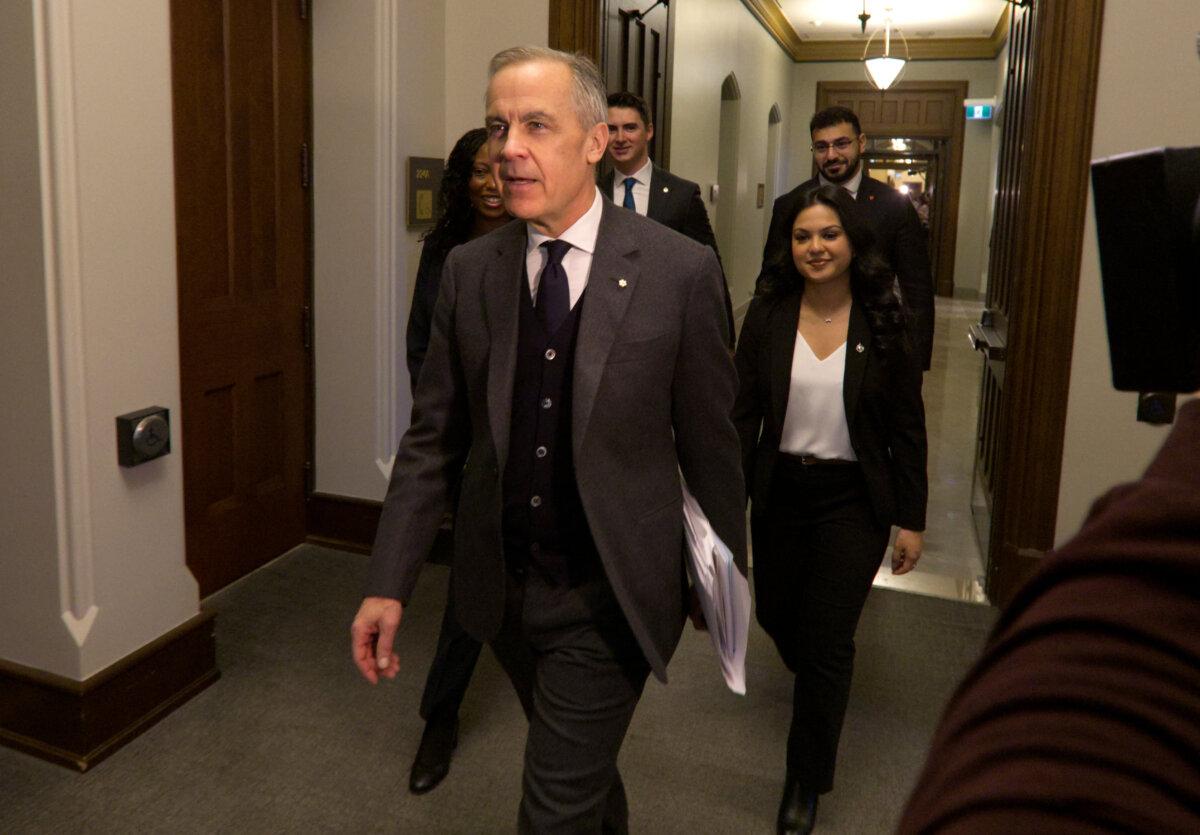
Nik Nanos, chief data scientist and founder of Nanos Research, said that while the outcome for the Toronto ridings was never in doubt, the party’s win in Terrebonne was more notable. He said this is evidence that Prime Minister Mark Carney’s “personal brand is still strong, as it was during the last election” among large numbers of voters.
While the Liberals’ support is holding, they should note that Canadians are increasingly concerned about the state of the economy and the rising cost of living, Nanos said. He added that while likeability matters, Canadians ultimately judge the government by the results it delivers.
“Every government has its ‘best before’ date. The question is, how much latitude and how much licence are Canadians willing to give the Carney government before they see results?” he said.

Conservatives
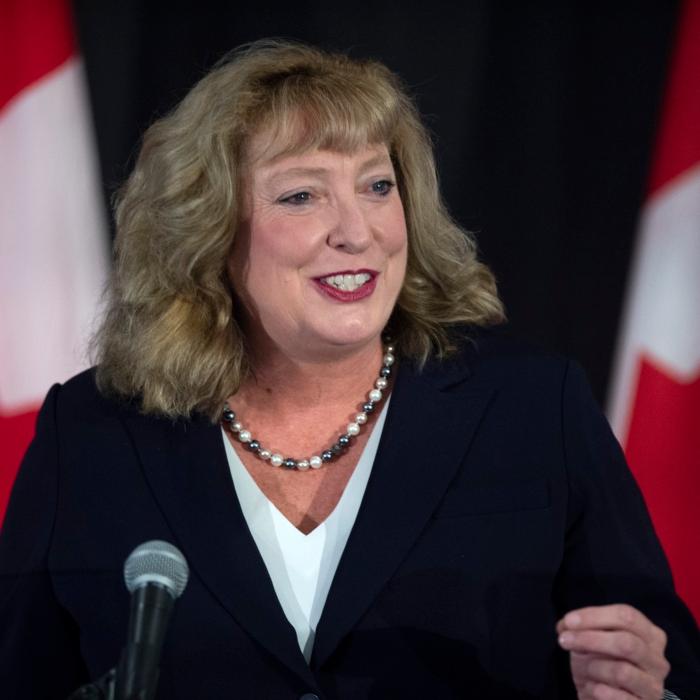
While the Conservatives were not expected to pick up any seats in the three byelections, the party is likely to be disappointed by its share of the vote. In Terrebonne, the Conservatives won just 3.3 percent of the vote in the byelection, compared to 18.2 percent back in the 2025 election.They fared no better in Toronto, with just 12.4 percent of the vote in University—Rosedale on April 13 compared to 23.5 percent in 2025, and 18.4 percent in Scarborough Southwest compared to 30.6 percent in 2025.
Tim Powers, chair of Summa Strategies, told The Epoch Times that the Conservatives should “not dismiss” the results of the byelections even though they were not projected to win. Powers said the party should “spend some time reflecting on” its decline in voter share in the ridings.
With the Liberal Party achieving a majority through four Conservative floor-crossings, Powers said Tory Leader Pierre Poilievre is “as vulnerable as he has ever been.” Powers said that while Poilievre has attempted to change his personal style, he should make more of an effort to manage his caucus.
“When you lose four MPs and you have stories popping up about others going, ... something’s not right. So it’s probably in the interest of both caucus and the leader to really discuss it,” Powers said.

Nanos said Conservative support fell in the byelections in part because Conservative voters weren’t motivated to go to the polls in those ridings because it was “clear from the get-go that the Conservatives never had a chance to win any of those ridings.”
He added that he believes that in Terrebonne, some Conservative voters did not turn out to vote, while others who “hate the Liberals” came out and voted strategically for the Bloc candidate.
However, Nanos said Poilievre will need to carefully manage the “complex” issue of MPs defecting to the Liberal Party, and put forth a narrative beyond “it’s a backroom deal and he doesn’t like it.” Nanos said the slew of floor-crossings has raised questions among voters about Poilievre’s leadership, especially with the latest surprise crossing of social conservative Marilyn Gladu.
Nelson Wiseman, a political science professor emeritus at the University of Toronto, said the Conservatives would be wise to keep Poilievre as their leader despite the Liberals obtaining a majority government. Wiseman said that if the party had gotten rid of their leader after the 2004 election loss, Stephen Harper would have never become prime minister and govern for nearly a decade.
NDP
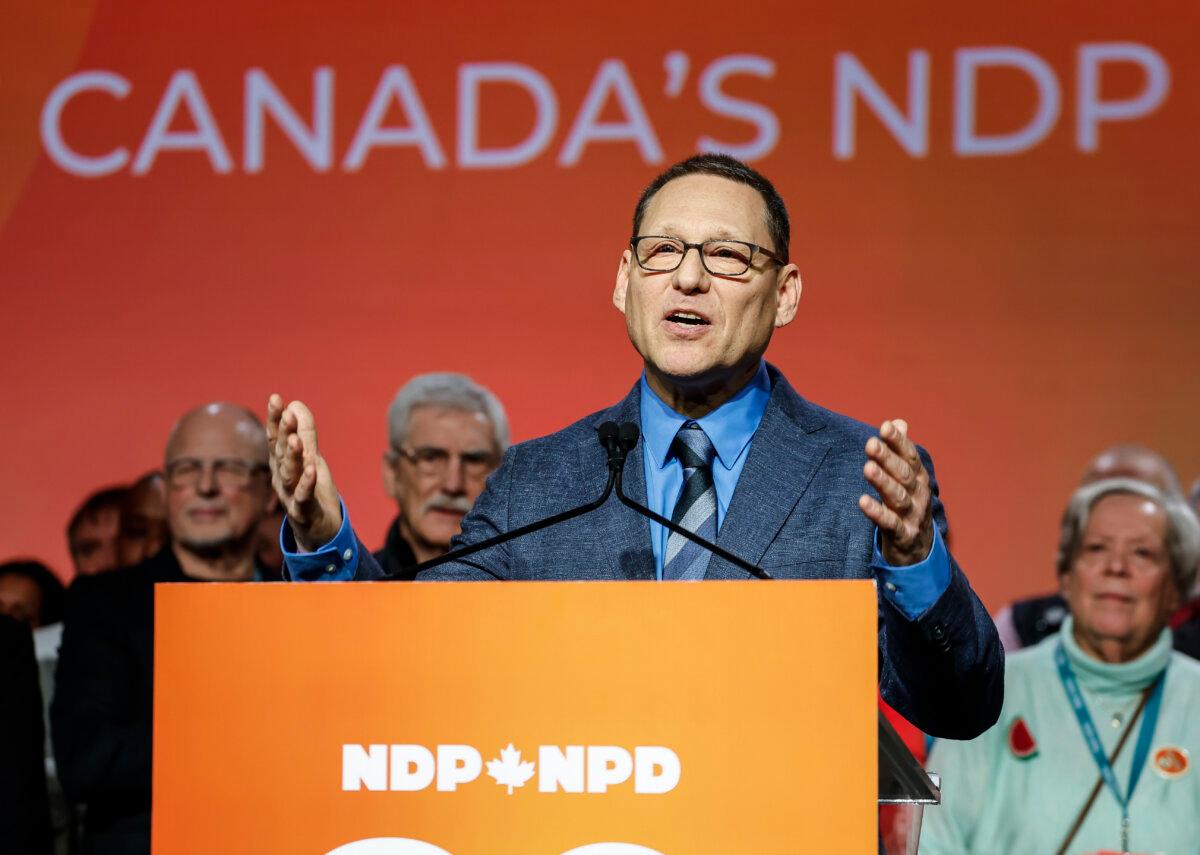
The New Democrats performed better in two of the byelection ridings than in the 2025 federal election. The NDP won 18.9 percent of the vote in University—Rosedale on April 13, compared to 9.9 percent in the 2025 election, while they won 6 percent in Scarborough Southwest compared to 5 percent in 2025.
However, with the Quebec riding of Terrebonne being a two-way race, the NDP’s vote share was just 0.5 percent in the byelection compared to 2.6 percent in 2025.
Nanos said it was “too early to say” if the NDP’s improved performance was due to Avi Lewis recently becoming the party’s leader. He also suggested that the NDP’s higher vote share in University—Rosedale was because Liberal voters are concerned with Carney “moving too close to the centre” and choosing to instead vote for the NDP.
Bloc Québécois

Nanos said April 13 was a “bittersweet night” for the Bloc, especially given that the party has historically shown strength in Terrebonne.
“From a historical perspective, the Bloc has basically held that riding almost all of the time since the 1980s,” Nanos said.
The pollster said Bloc Leader Yves-François Blanchet will need to consider the strength of Carney in Quebec and what that might mean for the party’s future.