The Liberal government has split its border security bill into two to allow certain provisions to pass through Parliament more quickly, saying this would provide additional time to evaluate the more “contentious” measures of the original legislation.
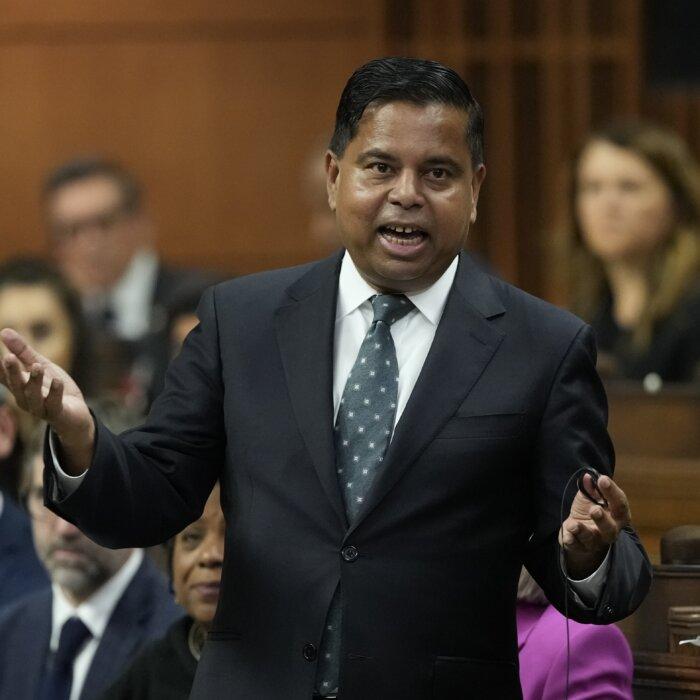
Anandasangaree said the new bill contains many of the measures from the June bill, such as expanding the Coast Guard’s role, tightening the immigration and refugee system, enhancing information sharing on sex offenders, and improving control of precursor chemicals used to make illicit drugs.
“Bill C-12 will help advance key legislative changes needed now that will further equip our border and law enforcement agencies with the authorities and resources they need,” Anandasangaree said in an Oct. 8 statement. “We are ready to work with our colleagues in Parliament to ensure this important legislation becomes law.”
Anandasangaree said he expects Bill C-12 to have broader support by opposition parties than Bill C-2, and will pass through Parliament in an “expedited manner.” He said the decision to split the bill came after speaking with Canadians, stakeholders, various departments, and parliamentarians.
The new bill will keep some provisions from Bill C-2 such as allowing border officials to cancel, suspend, or change immigration documents or new applications, protect the asylum system from sudden increases in claims by introducing new ineligibility rules, and improving how asylum claims are received, processed, and decided.
Separate Tracks
Anandasangaree says Bill C-2 will continue to move through Parliament on a separate track. If C-12 passes, the elements that are repeated in C-2 will be deleted and the bill will move forward with the remaining provisions around lawful access, postal searches, and transactions of $10,000 or more.He said these measures aim to target online criminals, the flow of fentanyl and other drugs through the mail, as well as organized crime and money laundering through large cash transactions.
When asked by reporters if the bill will be “lacking teeth” when it comes to fighting organized crime, money laundering, and fentanyl without these measures, Anandasangaree said these elements do not represent the full scope of the bill.
“It is quite a wide bill, as you’re aware, and I believe that it’s responding to the challenges we have at the border,” Anandasangaree said. “It’s responding to the needs of law enforcement to be able to have additional tools to do their work.”
Privacy Concerns
Opposition parties criticized Bill C-2 during its second reading in the House of Commons on June 5, saying the bill went too far in granting new powers to security agencies by allowing law enforcement to access internet subscriber information without a warrant, and authorizing Canada Post to open private mail.Anandasangaree has defended the bill, saying lawful access requires “modernization” and that the legislation does not “violate the civil liberties or rights of individual Canadians.” He has insisted there would be judicial oversight and the bill would keep Canadians safe.
The International Civil Liberties Monitoring Group, a coalition of various organizations, called the bill “highly troubling.” It said that “many aspects of the bill have little to nothing to do with ’securing the border,' and many aspects that do relate to the border present a significant threat to human rights and civil liberties.”
The minister said he expects debate on the bill to take place over the next several weeks and hopes it will advance to committee “as soon as possible.”