Australia’s fight against brain cancer has received a $5.9 million (US$3.9 million) boost, with a new research chair named in honour of pathologist and Australian of the Year Professor Richard Scolyer.
The fund will establish the Richard Scolyer Professional Chair at the Sydney cancer treatment centre Chris O’Brien Lifehouse, supporting staff salaries, clinical trials, and new research into one of the country’s deadliest cancers.
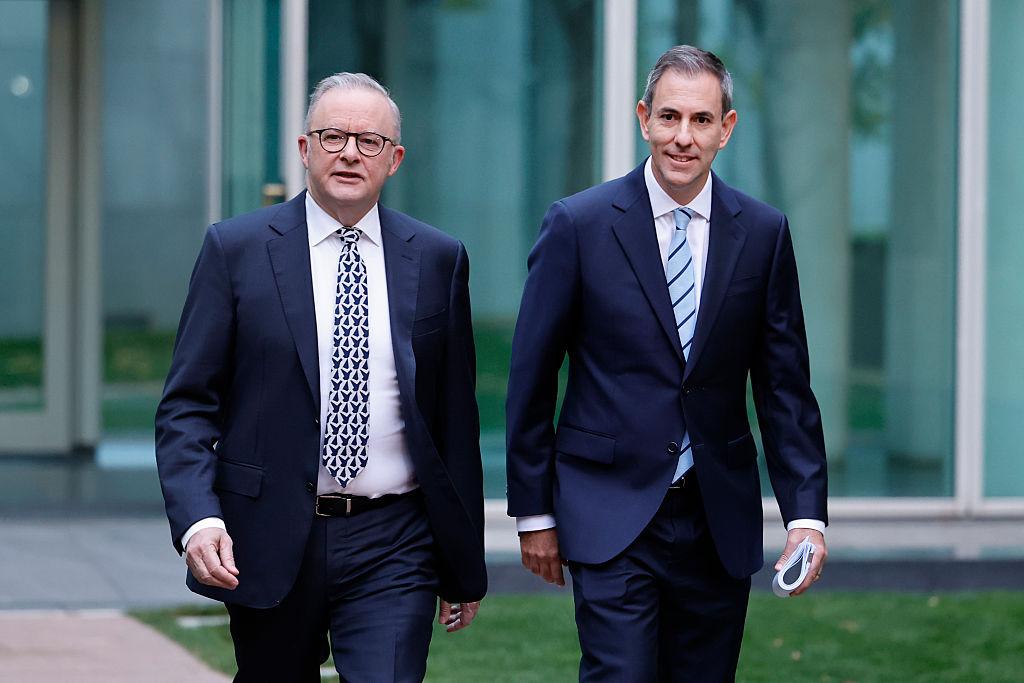
Prime Minister Anthony Albanese made the announcement on Sept. 3, standing alongside Scolyer at Parliament House.
“Professor Richard Scolyer is an extraordinary Australian. Through his skill, his tenacity and his courage, he has made such a difference for our country,” Albanese said.
A Personal Battle Inspires National Action
Scolyer, a world-leading melanoma expert, was diagnosed in 2023 with glioblastoma—an aggressive brain cancer that kills more Australians under 40 than any other cancer.Given just six to eight months to live, he became the first patient worldwide to undergo combination immunotherapy before surgery, followed by a personalised vaccine.

Nearly two years on, Scolyer described his health journey as “tough” and admitted the tumour has returned.
“I had a great period after I was initially diagnosed and could enjoy life, but I’ve had a few recurrences of the tumour,” he said.
“I guess there’s an end point, and who knows how far it is away. But we’re definitely getting closer.”
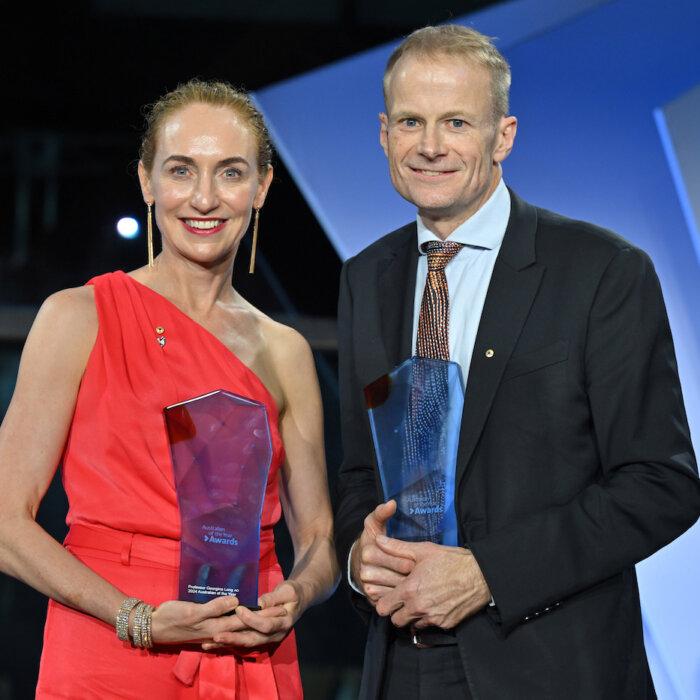
He was named joint Australian of the Year in 2024 alongside his colleague Professor Georgina Long for their groundbreaking work on advanced melanoma, which helped lift survival rates globally.
The new funding will link Chris O’Brien Lifehouse with the University of Sydney and Royal Prince Alfred Hospital, aiming to accelerate breakthroughs and translate discoveries into better patient outcomes.
Health Minister Mark Butler said it was fitting that the chair be named after Scolyer, who has been treated at Lifehouse himself.
“With this investment in leadership, research and clinical trials, we hope we can shift the dial and improve outcomes for patients diagnosed with brain cancer,” Butler said.
Reflecting on his career and personal battle, Scolyer said Australians also needed to understand the global role of research.
“Australia does have problems with cancer, particularly brain cancer. It’s the [most common] cancer-causing death in [under] 40-year-olds in Australia. So we need to do more about it if we’re going to improve outcomes.”
Brain cancer remains rare but highly aggressive, with 1,924 new cases and 1,579 deaths recorded in 2023.