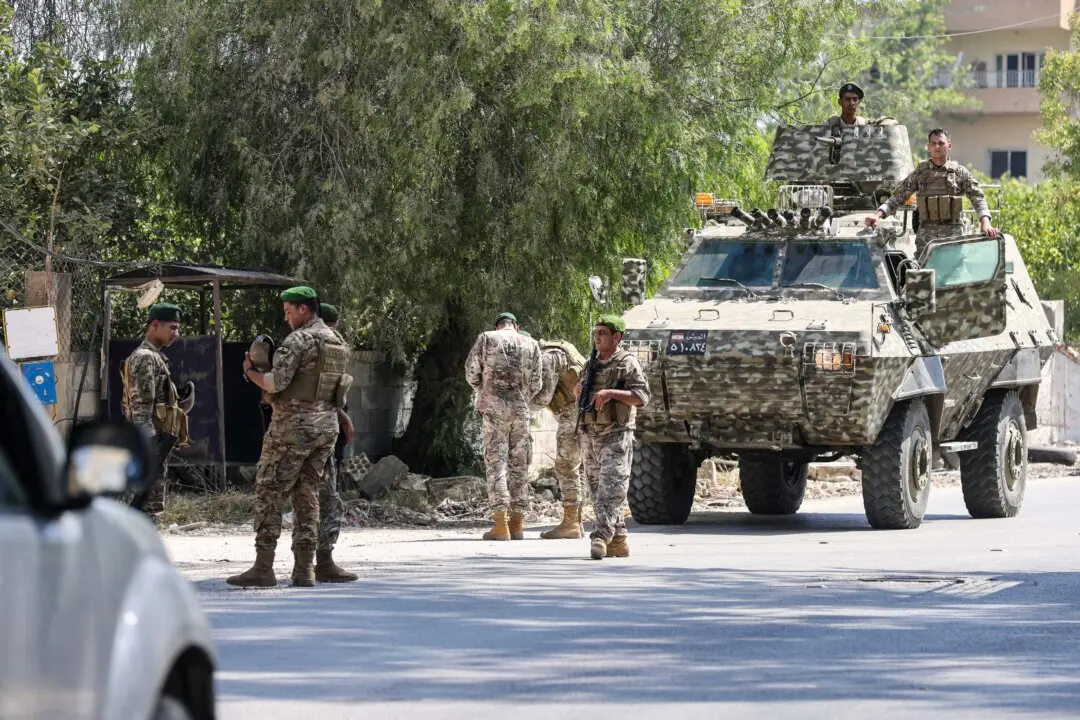
The army stated that it has secured vital areas and extended control over territories under its authority in the South Litani sector, excluding areas that remain under Israeli occupation.
Military activity between Israel and Lebanon has persisted despite a cease-fire agreement reached in 2024 and mediated by the United States and France.
Under that agreement, Lebanon committed to expanding its army’s control over southern areas and restricting the operations of the terrorist group Hezbollah near the border with Israel.

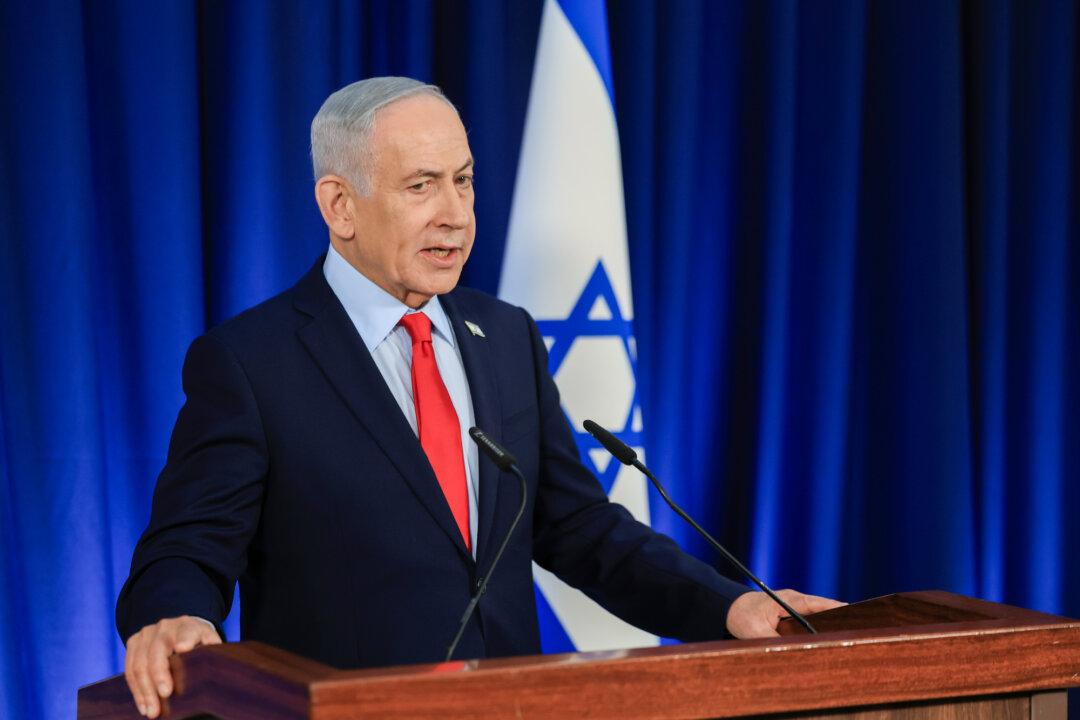
The statement noted that this was “imperative for Israel’s security and Lebanon’s future.”
Lebanese Leadership Backs Army
Lebanese President Joseph Aoun, who met with Lebanese Prime Minister Nawaf Salam on Jan. 8 just before convening a Cabinet session at Baabda Palace in Beirut, Lebanon, publicly endorsed the army’s statement.“I also emphasize that the deployment of the Lebanese Armed Forces south of the Litani River falls under a comprehensive national decision grounded in the Constitution, state resolutions, and relevant international commitments,” Aoun said in a statement issued by the presidency on Jan. 8.
He said the move was aimed at “consolidating the exclusivity of arms in the hands of the state.”
Aoun, Salam, and Lebanese army commander General Joseph Haykal met with U.N. Undersecretary-General for Peace Operations Jean-Pierre Lacroix on Jan. 7.
Ongoing Operations and Israeli Strikes
Operations in the South Litani sector remain ongoing until unexploded ordnance and tunnels are cleared, the Lebanese Army also said in its statement. These steps were necessary to consolidate control and prevent armed groups from rebuilding their capabilities, the army stated.The Lebanese Armed Forces condemned continued Israeli attacks on Lebanese territory, saying they negatively affect their ability to complete the restoration of control over southern areas.
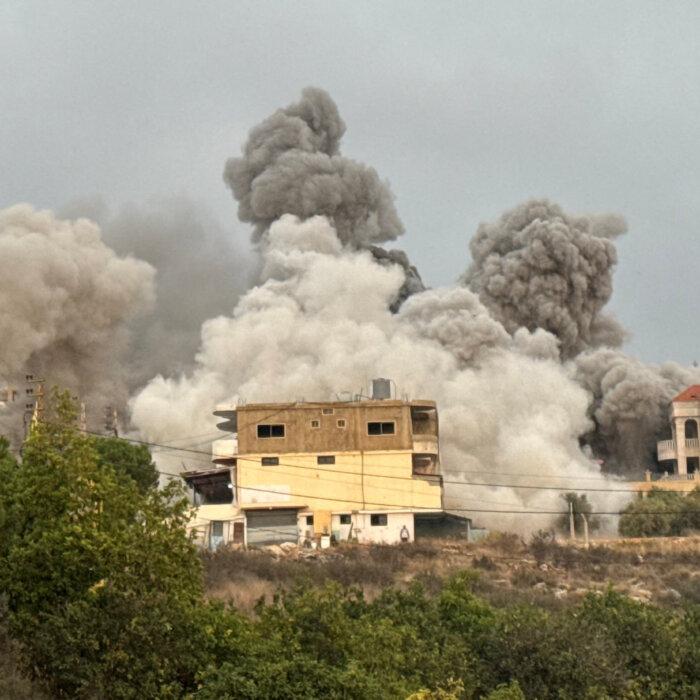
On Jan. 6, the Israel Defense Forces stated that it struck weapons storage facilities and military structures used by Hezbollah in attacks against Israeli troops and territory. The military also stated that it hit Hamas weapons production sites in southern Lebanon that it described as critical to the group’s military buildup.
Aoun condemned the strikes on Jan. 6, saying they had hit towns in the Bekaa Valley and southern Lebanon, reaching as far north as Sidon.