More Australians are waiting until their 30s to start families as changing work patterns, education, and living costs reshape what family life looks like across the country.
New figures from the Australian Bureau of Statistics (ABS) reveal that parents are delaying childbirth more than ever, as the nation’s fertility rate dips below 1.5 babies per woman.
In 2024, the median age of mothers reached 32.1 years, while fathers averaged 33.9—up steadily over the past decade.
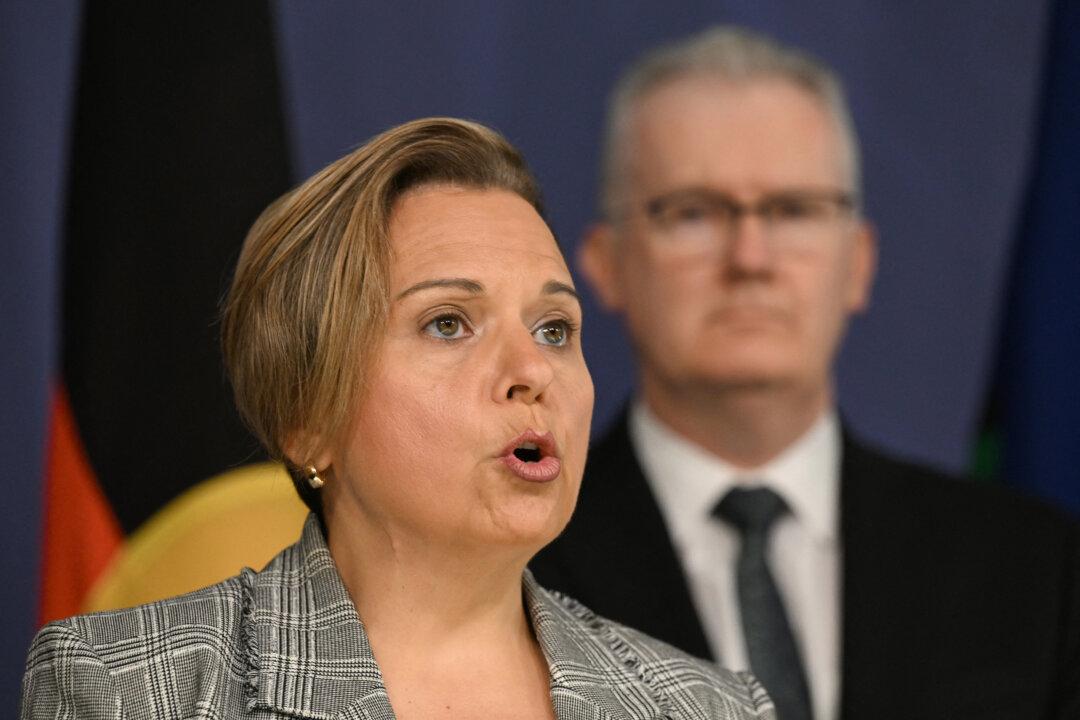
Beidar Cho, the ABS head of demography, says the shift reflects deep social and economic changes.
“Since 2014, the median age of mothers increased 1.2 years, while fathers increased 0.9 years,” she said. “This shift toward older parenthood reflects more time spent in education and higher workforce participation by women.”
Delayed Independence
A 2024 HILDA Survey found that economic pressures and high housing costs are delaying key milestones for young Australians. Over half of young men (54 percent) and 47 percent of young women aged 18–29 still live with their parents—a sharp increase since the early 2000s.
Professor Roger Wilkins, HILDA co-director, described it as a “seismic shift” in Australian households.
“The social and economic forces that have driven an increase in the number of young adults living with their parents are still present,” he said.
The Fertility Clock
Sociologist Professor Lyn Craig noted that this increase in young Australians living with their parents for longer has implications for the road to starting their own family.“While we are living longer, one thing we can’t really slow is fertility,” she said.
Craig linked falling fertility to housing affordability and delayed financial stability.
“Since the mid-2010s, fertility has fallen below replacement for the first time in Australia, and I think that has something to do with young people not being able to afford to establish an independent household,” she said.
Craig sees the trend as both a symptom and a consequence of the modern economy: young Australians are building lives that look fuller and freer—but also more delayed.