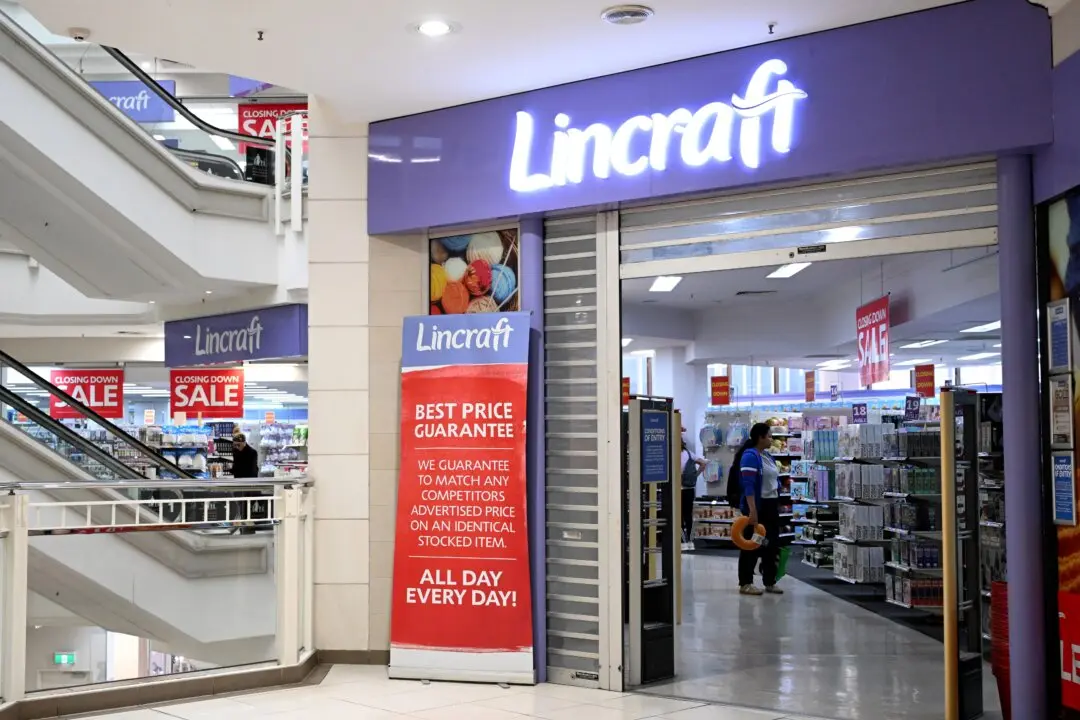
Australia’s largest aluminium smelter, Tomago Aluminium, has launched a consultation process with employees as it considers the possible closure of its operations, citing an inability to secure affordable electricity beyond 2028.
The Hunter Valley-based facility, which produces nearly 40 percent of Australia’s aluminium, said despite two years of market sounding, it has not identified a viable energy contract once its current supply deal with AGL expires in December 2028.
“Finding competitively priced energy remains the central challenge,” the company said, noting that electricity currently accounts for more than 40 percent of its operating costs.
Based on market proposals, both coal-fired and renewable energy options would rise sharply from 2029, leaving the smelter “commercially unsustainable.”
Tomago Aluminium CEO Jérôme Dozol said the company was engaging openly with staff and unions.
“We continue to engage with stakeholders on a viable pathway for Tomago. Unfortunately, all market proposals received so far show future energy prices are not commercially viable, and there is significant uncertainty about when renewable projects will be available at the scale we need,” he said.

While no final decision has been made, Dozol described the situation as “a difficult point to reach” and said the company’s focus was on “operating safely and giving our people certainty as soon as possible.”
Government to ‘Exhaust Every Opportunity’
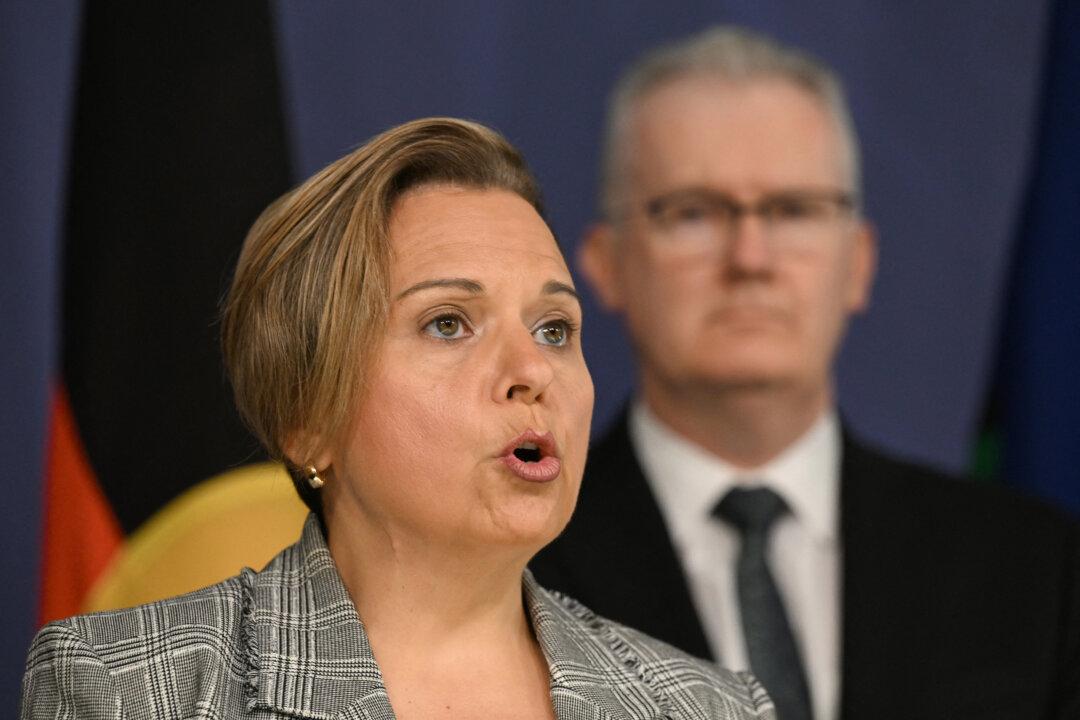
Responding to the announcement, Industry Minister Tim Ayres acknowledged the gravity of the situation for the Hunter region.“It’s a tough day for workers at Tomago,” Ayres said.
“More than a thousand staff, and many firms and workers in that community, are engaged in and around the smelter. This facility has been an important part of Australia’s aluminium production capability since 1984.”
Ayres said the federal government had been working closely with Tomago, the unions, and the New South Wales (NSW) government to try to secure the plant’s future.
“I am determined to exhaust every opportunity to secure the future of that site—for the Hunter Valley, for the NSW economy, and for Australian aluminium production more broadly,” he said during a press conference on Oct. 28.
He acknowledged that the challenge facing Tomago reflects broader pressures across Australia’s metal smelting industry, including soaring energy costs and global competition.
“Multiple aluminium smelters around Australia, many of them with Rio Tinto as the principal owner, are all facing challenges that this government is determined to work through in the national interest,” Ayres said.
He said to support the transition toward low-emission production, the Albanese government introduced the Green Aluminium Production Credit earlier this year. The initiative aims to help smelters secure renewable power purchase agreements and access global markets increasingly demanding low-carbon aluminium.
Report Gave Warning Signs
Tomago’s potential closure comes as a report warned of Australia’s declining refining and smelting capacity for lead and zinc, core to extracting critical minerals.A report released in May by Mandala Economics for metals producer Nyrstar cautioned that Australia’s deteriorating refining capability could cost jobs and erode national security leverage.
The report argued that without renewed investment in multi-metal processing and industrial power infrastructure, Australia risks becoming overly dependent on raw mineral exports while losing control over critical value chains.