Sixty-five tonne concrete blocks, locked-up farmland, and forced entry onto private land for transmission lines—this is the reality for some farmers navigating Australia’s renewable energy boom, says Farm Angels CEO Jason Law.
Farm Angels is a charity that provides support to struggling farmers, and the CEO has spoken to a few landowners who say the net zero push has not been without its challenges.
One Queensland farmer was interested in setting up wind turbines on his farm had to read and sign 26 different agreements before construction could begin.
“Someone will come to you and say: I’ve got this proposition, I want to put wind turbines on your land,” Law told The Epoch Times.
“That’s good, and you can potentially make a lot of money.
“But that person is simply brokering the concept and then introducing a developer, then introducing a constructor and multiple construction arms, then introducing the power company, and so on and so forth—many, many different layers before an agreement can come into play.”


In another example, Law said some farmers were kept in the dark on when construction would start after signing the paperwork.
In addition, they are not permitted to use the land set aside under these contracts during the idle period.
“[Farmers ask:] ‘When does construction start? When will I start getting the revenue in?’” Law said.
“[The renewable company said:] ‘We haven’t made that decision yet, because we haven’t done the agreement with the power company for the tariff yet.’
“But we’ve locked you up for five years … to close that agreement and negotiate the rates. And sorry, we’ve got a caveat on your land–you can’t do anything with that property for five years.”
Leasing land to wind turbine companies has become a new potential revenue stream for some farmers with landowners receiving annual payments, often regardless of how much electricity is generated.
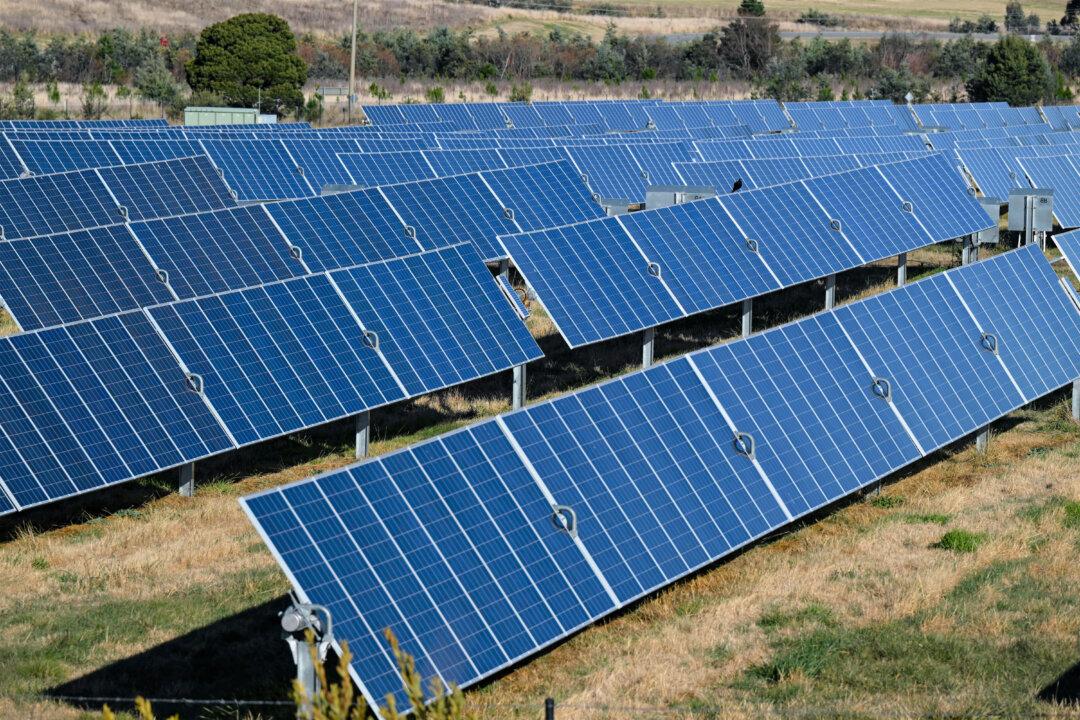
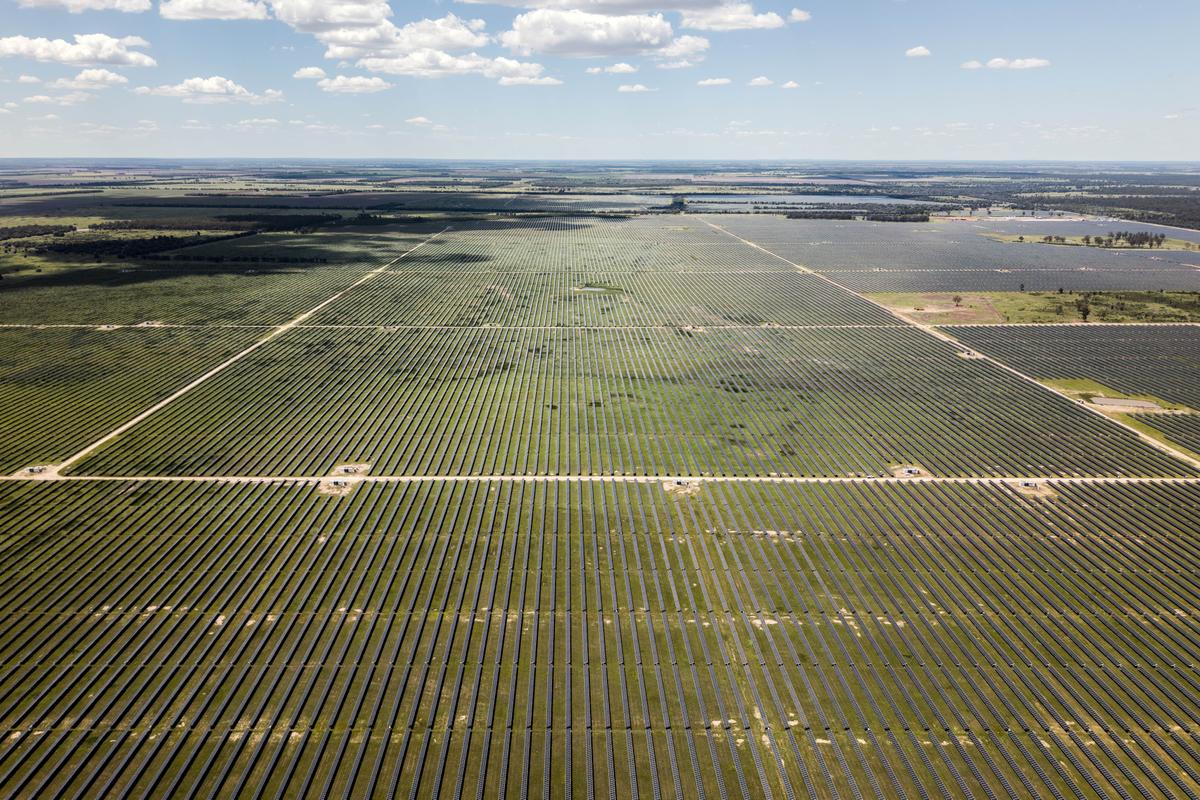
“Solar companies are now offering farmers around $1,500 per hectare per year rent, and the farmer often continues to run sheep under the panels.”
Unsure Who’s Responsible for 65 Tonne Concrete Foundations
Meanwhile, Law also said he had seen cases where turbine-landowner contracts neglected to specify who was responsible for removing the constructs at the end of the agreement.“Some of those contracts are now being modified so they [energy companies] are not responsible,” Law said.
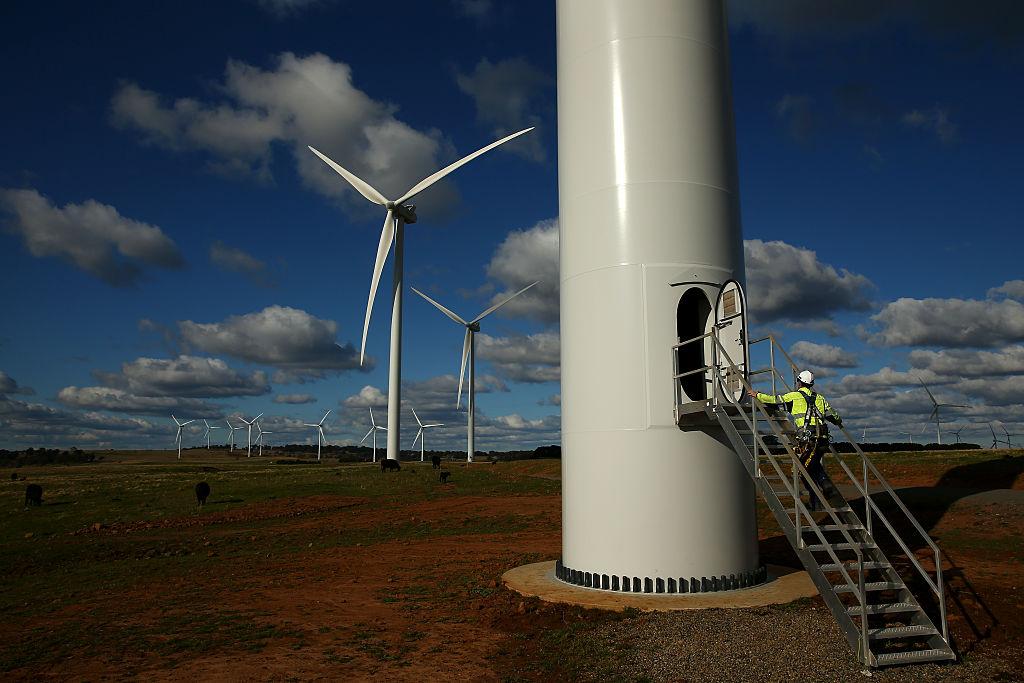
“When you talk about a wind turbine, you can have 65 tonnes of concrete put in the ground per turbine.
“They’re massive. So, notwithstanding all of that, when the thing is redundant, what do you do with it?”
The issue has been aired before.
During a Senate Estimates hearing in 2023, Andrew Dyer, former energy infrastructure commissioner, said that in some cases, the cost of pulling down a turbine may exceed the revenue they receive from a 25-year contract.
Yet this was disputed by major renewable provider, Tilt Renewables, who said decommissioning plans were embedded into every one of its agreements.
“The wind farm operator must remove all property from the land by the Actual Termination Date and in any event within one year of decommissioning, return the land as far as practicable to its condition prior to construction in so far as changes are attributable to the wind farm,” a spokesperson told The Epoch Times, noting rehabilitation of land was also a condition.
“Concrete foundations need to be covered with a smooth even covering of soil to a depth of at least one metre and rehabilitated to prevent erosion.”
Transmission Lines on Private Land
Meanwhile, Law raised concerns about farmers who say transmission lines have been forcefully installed on their properties for renewable zones.“So you actually have a map drawing, and then [you want] to link those power sources,” he said.
“Once they pick which farms in those zones are suitable … then you get transmission lines put through [those] properties.
“And sometimes you’re on a property that doesn’t get the benefit of the wind turbine or solar farm, but you’ve got someone trenching transmission lines through because it comes under federal legislation.”
Law said there wasn’t much recourse when governments mandate legal easements for transmission infrastructure.

“You can [take legal action], but your likelihood of actually winning and having the money to fight it is minimal,” he said.
“I know the power companies are engaging more with communities, but you’ve got these big easements that can suddenly come down your land because someone’s put in a wind farm or a solar farm.”
Under existing state laws, transmission companies are required to obtain easements from landowners for the use of their properties, which is often achieved via negotiations.
However, when negotiations do not work out, state governments can use compulsory acquisition powers to allow transmission lines to be built if it is considered necessary for the public interest.
On July 30, the Allan Labor government debated the National Electricity (Victoria) Amendment (VicGrid Stage 2 Reform) Bill 2025, which includes $12,000 fines for farmers that refuse to give access to transmission builders.
It also allows authorised workers to use reasonable force to gain property access, with the backing of police.
Amid the challenges, Law said more government support was needed.
“They need a lot of assistance to help navigate what the renewable energy pathway is,” he said.
“A lot [of people] want to embrace it, but they just don’t know.
Government Response
A spokesperson for the New South Wales (NSW) Department of Planning, Housing and Infrastructure told The Epoch Times that new guidelines had been released last year to assist landholders in navigating renewable agreements more easily.“By setting clear expectations through the planning system, the NSW government is supporting farmers to make informed decisions and avoid being disadvantaged in negotiations through overly complex or unfair contractual arrangements,” the spokesperson said.
“Any commercial arrangements entered into by farmers and renewable energy developers are a private matter. The NSW government provides best practice guidance to support these agreements.
“Farmers are encouraged to seek independent legal and financial advice before signing any agreement, and the guideline is intended to make that process more straightforward.”