More than 500,000 Australians currently in the workforce—nearly half of whom are under 30—will be affected by Labor’s proposed superannuation tax hike if it’s not indexed properly, new analysis shows.
The projection, six times higher than the government’s estimate of 80,000, comes from the Financial Services Council (FSC), which has warned the long-term impact will fall disproportionately on younger workers.
The findings come amid debate over Labor’s impending tax increase on super funds containing more than $3 million, from 15 percent to 30 percent. Traditionally, superannuation retirement funds maintained low tax rates to encourage workers to invest more money into their nest eggs.
The FSC found that if the threshold were indexed annually at 2.5 percent, the number of people impacted by the tax at retirement would plummet to just over 64,000.
“More than 430,000 Australians would avoid being hit with Labor’s higher super tax at retirement if the $3 million threshold was indexed,” the report said.
The FSC analysis also revealed that of the nearly 500,000 workers projected to be affected, around 300,000 are under the age of 40, suggesting the long-term impact of the tax will fall heavily on younger Australians.
FSC Chief Executive Blake Briggs said the policy amounted to generational inequity.
“The absence of indexation is a deliberate and cynical design feature of the new tax that targets younger Australians, in full knowledge that Australia’s deteriorating financial position means future governments will be too cash-strapped to introduce indexation at a later stage,” he said.

Coalition Rejects Super Tax in Full
Shadow Treasurer Ted O’Brien confirmed the Coalition would oppose the super tax “every step of the way,” calling it “grossly unfair.”“To think that a person can make a theoretical profit—no money has hit the bank account—and they get taxed every single year, that’s not fair,” O’Brien told Sky News.
The opposition, which had earlier flagged potential negotiations on indexation and taxing unrealised gains, have now ruled out any compromise.
“This flies in the face of everything we believe in as a Coalition,” O’Brien added.
Government Stands Firm, Cites Equity
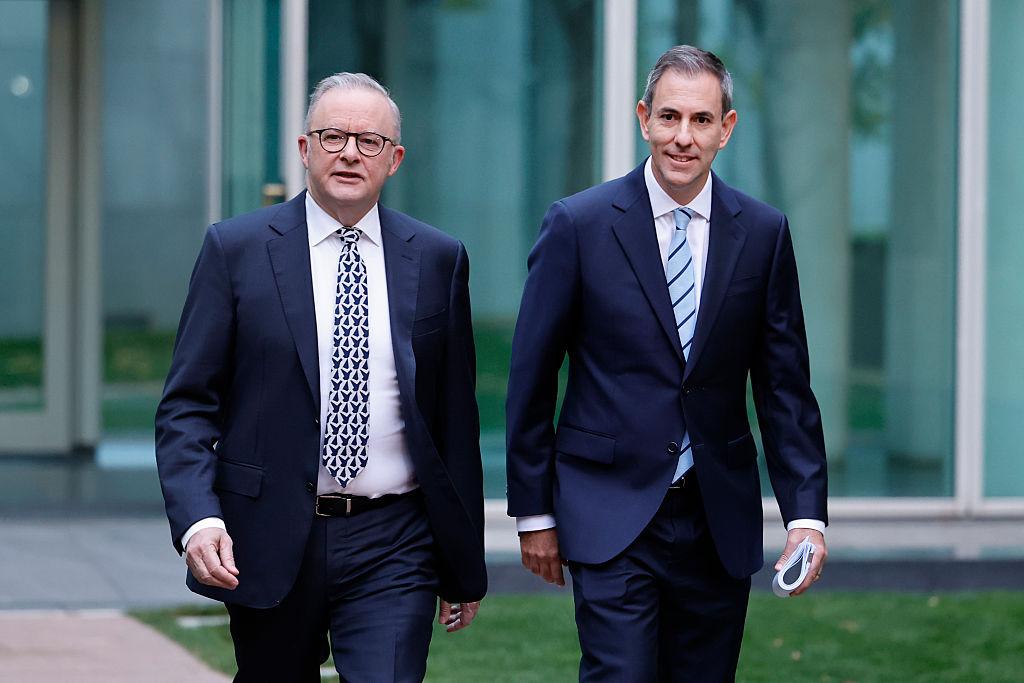
Despite pressure, the government is holding firm.Prime Minister Anthony Albanese said, “What we need to do is to make sure that our superannuation system is fair. That is what we are setting about to do.”
The government had stood by its claim that only 80,000 people would be affected.
Treasurer Jim Chalmers also defended the plan,
“Our intention and our preference would be to legislate what we announced. We’ve done years of consultation now ... and we’ll engage respectfully with the crossbench, in this case with the Greens in the Senate, to try and legislate the plan that we announced all those years ago.”
“No one has suggested a better way to calculate the liability,” he said, noting Treasury backed taxing “unrealised” gains after large super funds warned other methods were unworkable.
He added the concessions remain generous, with only modest reductions.
Chalmers also criticised media backlash, saying: “We should resist the temptation to think that because two media outlets oppose it, that concern is widely felt in the Australian community.”
Asset Manager Takes Stand on Tax
Wilson Asset Management founder Geoff Wilson, who is campaigning against the policy, warned that taxing “unrealised” gains—the value of an asset determined by an assessor—could distort markets and harm investment.“What it’ll do is actually impact about how $4.2 trillion in superannuation is invested,” he told Sky News.
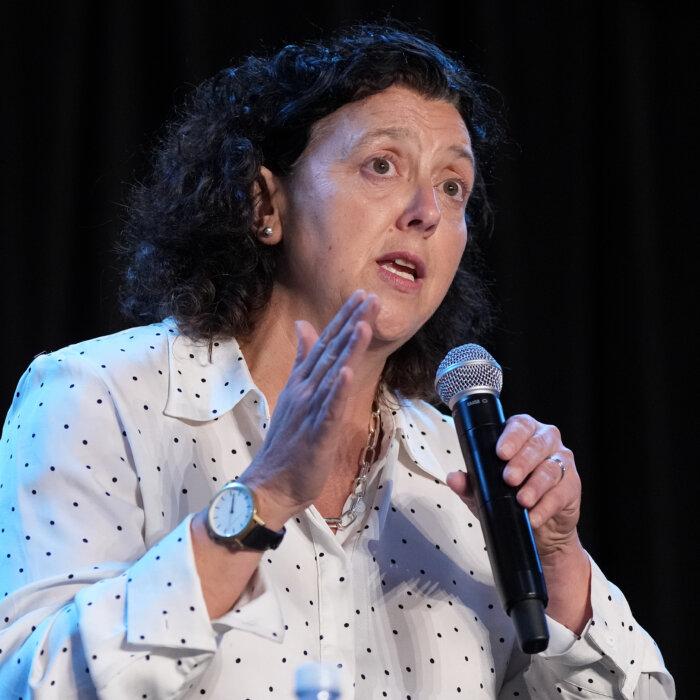
He echoed similar arguments from critics of taxing unrealised gains—like Teal MP Monique Ryan—who say making super a less attractive wealth generation vehicle will simply push the money elsewhere, likely into property.
“Both Anthony Albanese and Jim Chalmers ... are gaslighting the Australian people by saying: ‘Look, this will only impact a very small percentage of people that pay the additional tax.’”