The Albanese government will conduct a national advertising campaign for the upcoming social media ban for under-16s.
The social media ban was passed into law in November 2024 and will come into force on Dec. 10 for platforms including Instagram, Snapchat, X, YouTube, and Facebook.
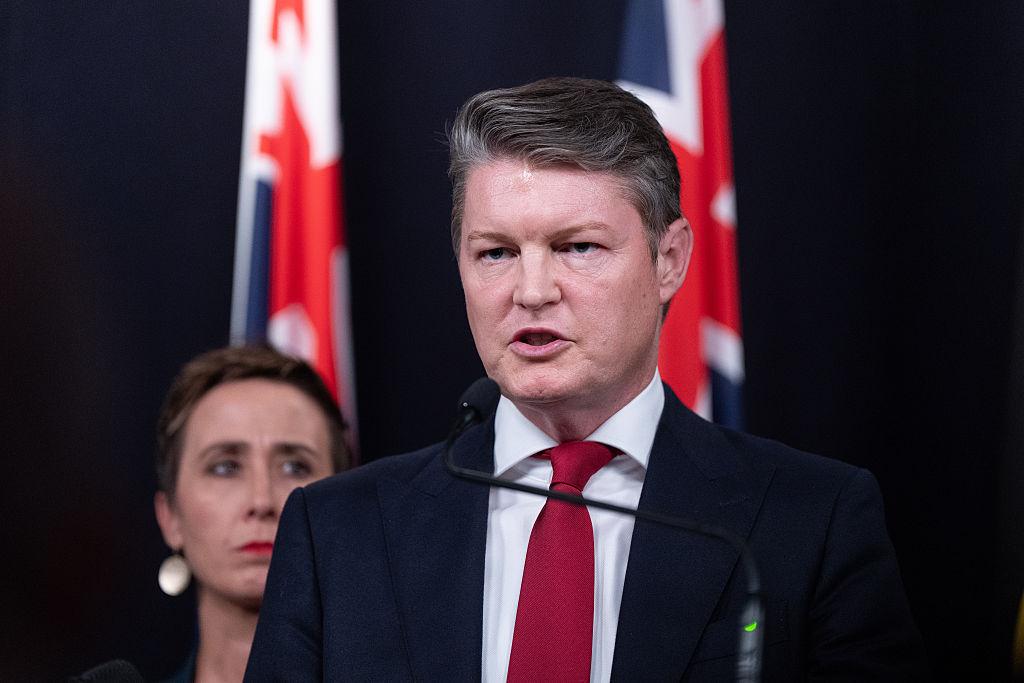
Communications Minister Anika Wells said the national campaign would spread awareness about the changes coming for all Australian families.
“Parents and carers are encouraged to start having conversations about these new laws with their families to help them prepare,” she said.
Speaking to reporters in Melbourne, Wells explained that kids would “ironically” see the campaign on social media, along with on television and other online platforms.
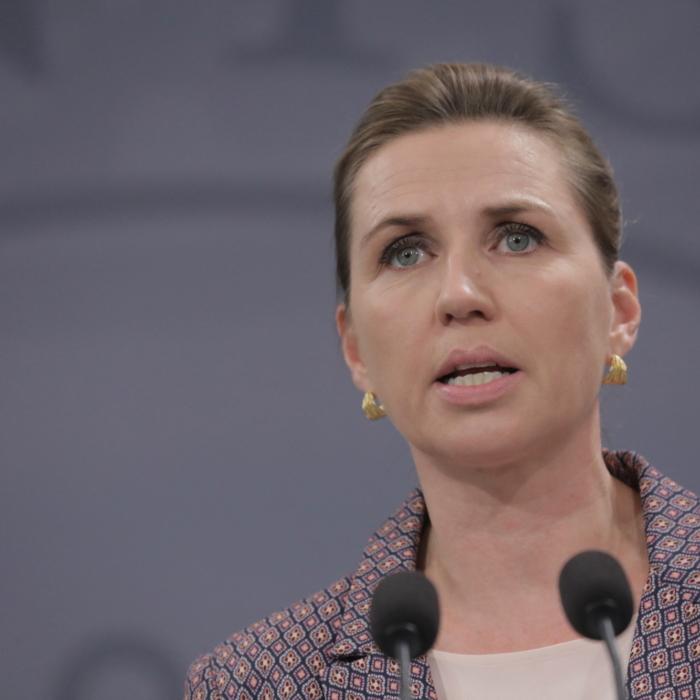
“If that is where they are, that is where we need to talk to them about what this means and why we are doing it,” she told reporters.
Wells said the vast majority of students she has spoken to were happy and grateful for the laws, but admitted this was not the case for everyone.
“We are particularly attuned to the fact that people who are 13, 14, 15 are having something taken away, rather than kids who are under 13 who will just meet the new law as it exists,” Wells said.
Tech Company Concerns
Rachel Lord, Google’s senior manager for government affairs and public policy in Australia and New Zealand, raised concerns about the social media ban at a Senate inquiry on Oct. 13“The government’s plan to ban social media use for under-16s may be well intentioned, but in practice, it risks unintended consequences,” Lord said.
“The legislation will not only be extremely difficult to enforce, it also does not fulfil its promise of making kids safer online.”
In addition to Google, Elon Musk’s X has also flagged significant issues with the social media ban in a submission to the Senate Internet Search Engine Services Online Safety Code inquiry.
X called for a delay to the ban, arguing they had not been provided with enough time to implement it.
Digital ID Concerns
eSafety Commissioner Julie Inman Grant released regulatory guidance to support the social media industry in mid-September.The guidance confirmed that platforms would not be able to use government ID as the sole method of identification and must offer “reasonable” alternatives.
“Well, they can ask for digital ID as one form of age assurance, but they cannot only use digital ID, and it cannot be the last point of call if there’s an appeal,” she told a recent Senate committee.
Inman Grant further reiterated, the legislation “does not prohibit the use of digital ID”
Shadow Communications Minister Melissa McIntosh had also previously flagged concerns with the potential for digital ID to be used.
“It’s a concern because people’s identification gets stored in data.”