With nearly half of all NDIS participants now children under 15, the federal government is rolling out a $2 billion program to try steer young children with mild autism away from the program.
Health Minister Mark Butler said the latest initiative would begin in July 2026, with a full rollout by mid-2027, when changes to the taxpayer-funded National Disability Insurance Scheme (NDIS) take effect.
The announcement comes as successive governments try to stem the spiralling cost of the NDIS, which now services nearly 740,000 Australians after a 12 percent increase in participants from last year.
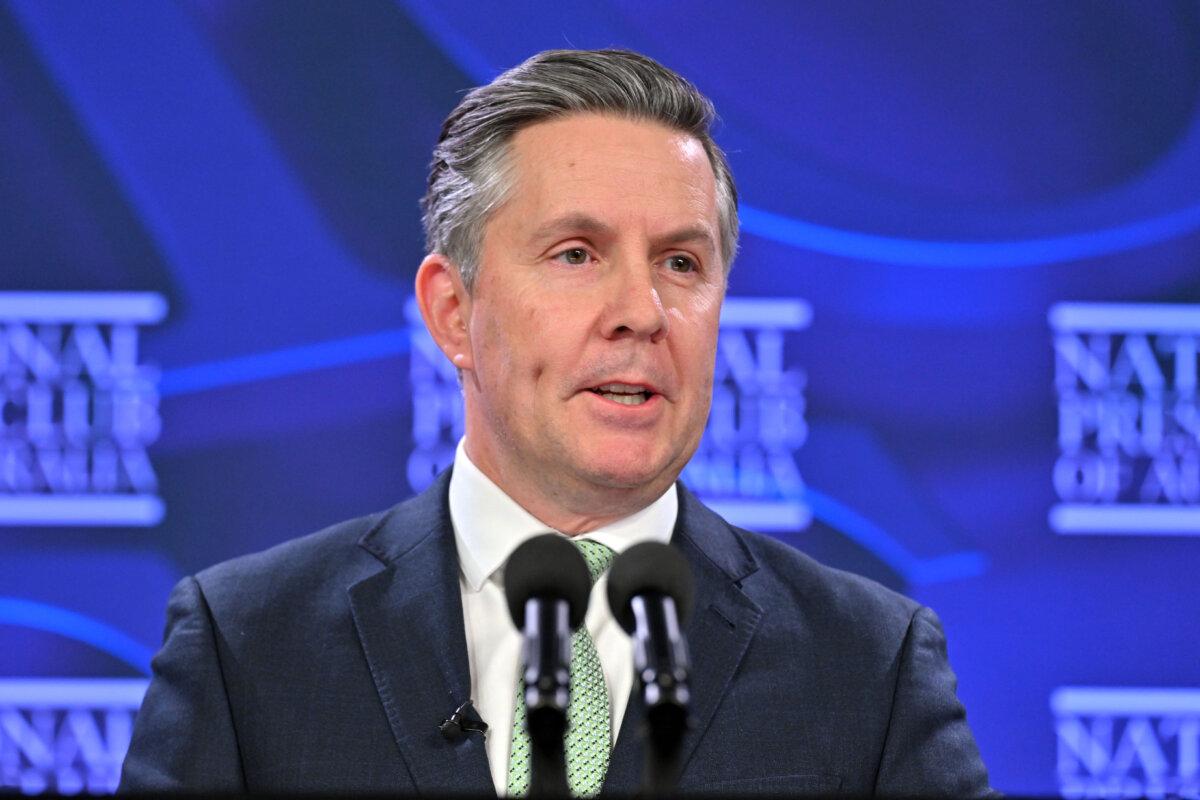
“Just under half of the scheme’s participants are now children under fifteen,” Butler told the National Press Club on Aug. 20.
“One out of every 10, six-year-olds are on the NDIS, including 16 percent of six-year-old boys,” he said. Yet in the Hunter region north of Sydney, the share is 1 in 4.
1 in 5 Children Diagnosed With Mild Developmental Issues
Butler stressed that while around 1 in 50 Australians have a permanent disability, up to 10 in 50 young children experience developmental delays, mostly mild to moderate.

“That is a mainstream issue that demands mainstream services,” he said.
On average, a young NDIS participant with moderate needs receives more than 70 therapy sessions a year—far above the level of support available through the health system.
Parents, he added, often turn to the NDIS because mainstream services are scarce and costly.
$2 Billion Initiatives
The health minister outlined a series of initiatives to wean younger patients off NDIS including the “Thriving Kids” program that will try to leverage existing maternal and child health systems, early learning centres, and GP networks.Butler cited Western Australia’s “Inklings” program as a model to be expanded nationally. It uses short video recordings of parents interacting with babies to improve communication.
The government will also examine a new Medicare-backed health check for three-year-olds to identify developmental issues.

Another priority under consideration is new allied health items, including covering occupational therapy sessions to strengthen play skills, motor skills, concentration and self-regulation, as well as speech pathology.
Early childhood education services and play groups will also be expanded, while schools will be encouraged to take a more active role.
The minister also said more information would be provided in partnership with the Raising Children Network, South Australia’s Early Years app, and Autism Connect.
Rising NDIS Costs Spark Reform
The NDIS, initially designed for 410,000 people, now supports nearly 740,000 and is projected to reach 1 million by 2034, according to its latest quarterly report.“When we came to government in 2022, costs were growing at 22 percent per year,” Butler said.
National Cabinet is aiming to bring the annual growth of the program down to 8 percent per year by 2026, but the scheme is still forecast to cost taxpayers $105 billion and lift the government spending-to-GDP ratio by half a percentage point over the next decade.
Last week’s quarterly report showed participant growth of 12 percent in 2024–25, higher than expected.
“Eight percent growth is simply unsustainable in the medium to long term,” Butler said, foreshadowing further reform.
Public confidence is also under strain. A Talbot Mills survey found 70 percent of Australians believe the NDIS is vital, but 60 percent say it is “broken.”
Cracking Down on Fraud and Poor Providers
The government has invested more than $500 million in fraud prevention, launching over 600 investigations and 65 search warrants in the past two years.“Australians are rightly appalled by stories about shonks and fraudsters ripping off taxpayers and people with disability,” Butler said.
Of the 260,000 NDIS service providers, only 16,000 are registered.
“I’ll repeat that—15 out of 16 providers are unregistered, leaving far too much scope for poor quality service and conflicts of interest. That simply has to change.”