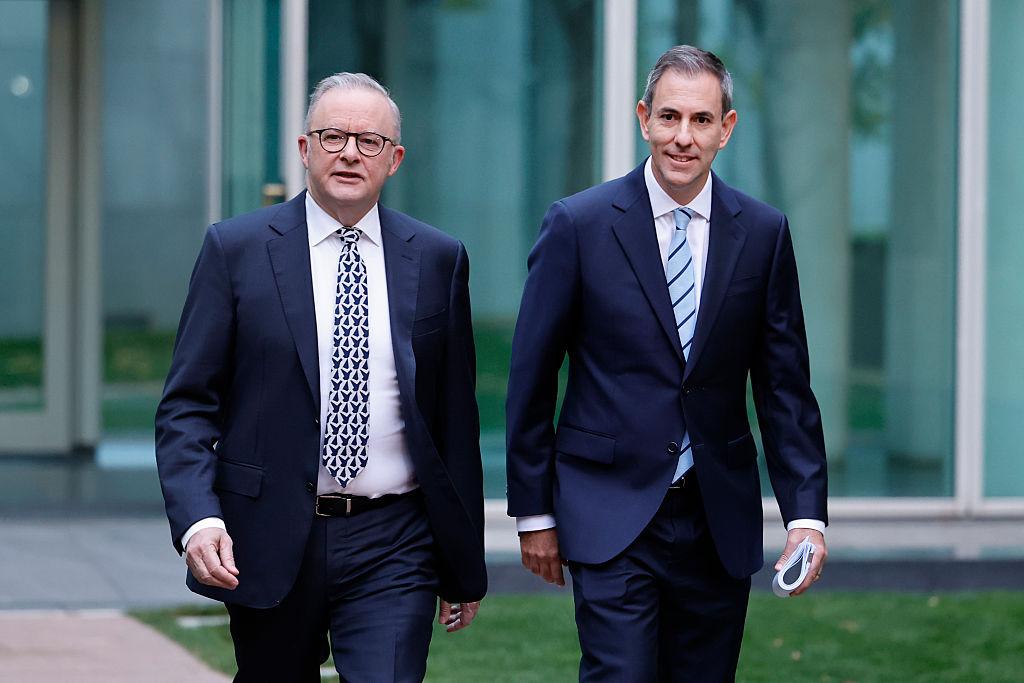
The Albanese government has blocked a Coalition bid to introduce a new law aimed at criminalising assistance for individuals returning to Australia from declared terrorist hotspots.
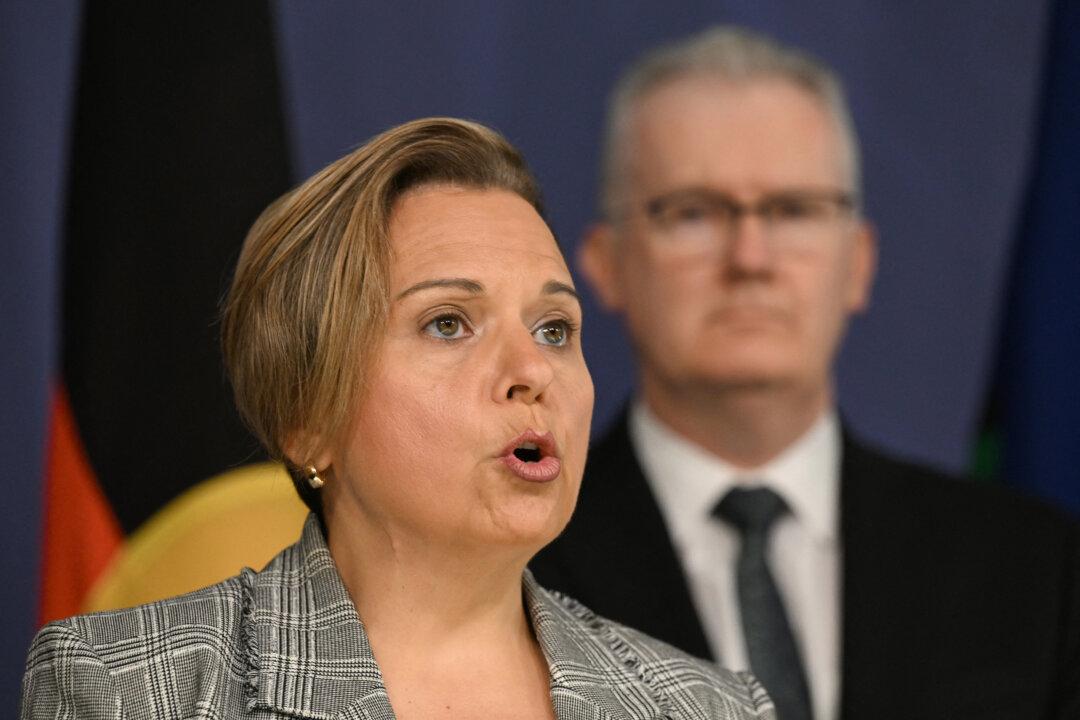
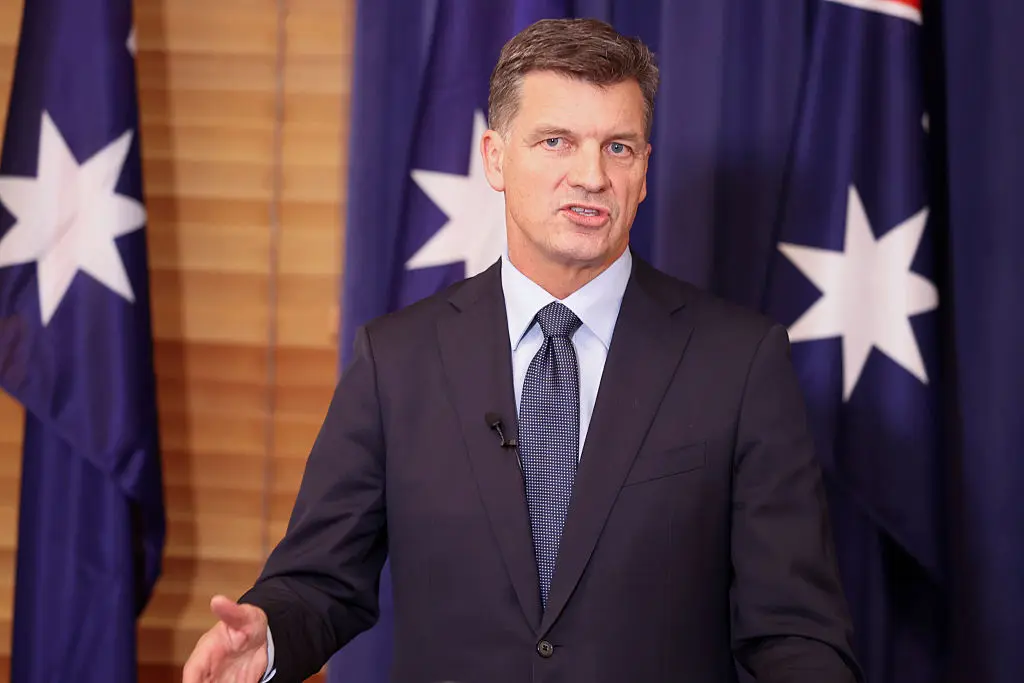
Opposition Leader Angus Taylor moved to suspend standing orders on March 3 to bring forward a private member’s bill titled “Keep Australians Safe.”
The procedural move would have paused the scheduled business of the House to allow immediate introduction and debate of the legislation.
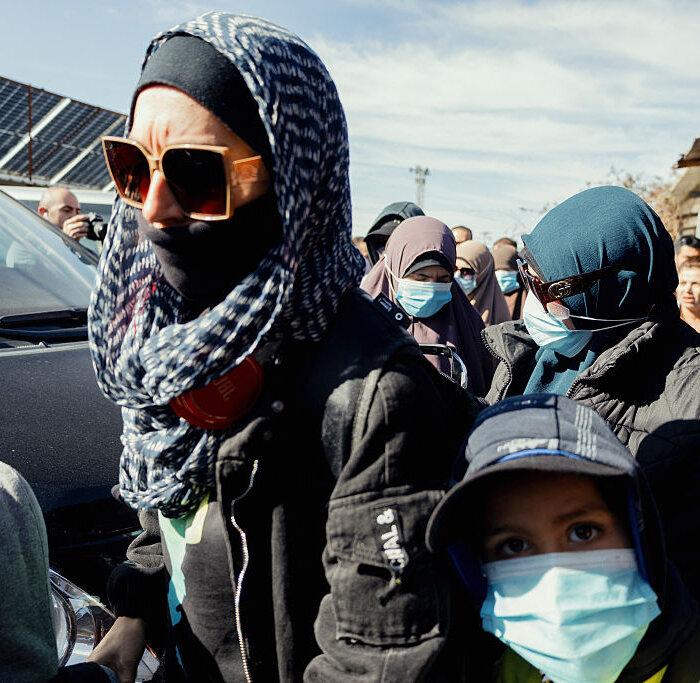
Taylor said the bill was designed to “close a loophole” and prevent the return of 34 Australian women and children currently held in a Syrian detention camp.
The issue resurfaced after they tried to fly back on Feb. 16, but the trip was cancelled due to administrative issues. The cohort comprises 23 children and 11 women linked to ISIS fighters.
Coalition Push to Tighten Law
The proposed legislation would amend the Criminal Code Act 1995 to create a new offence that makes it illegal for a person to assist the entry into Australia of someone who has been in a declared terrorist area, has links to a terrorist organisation or has committed terrorism-related offences.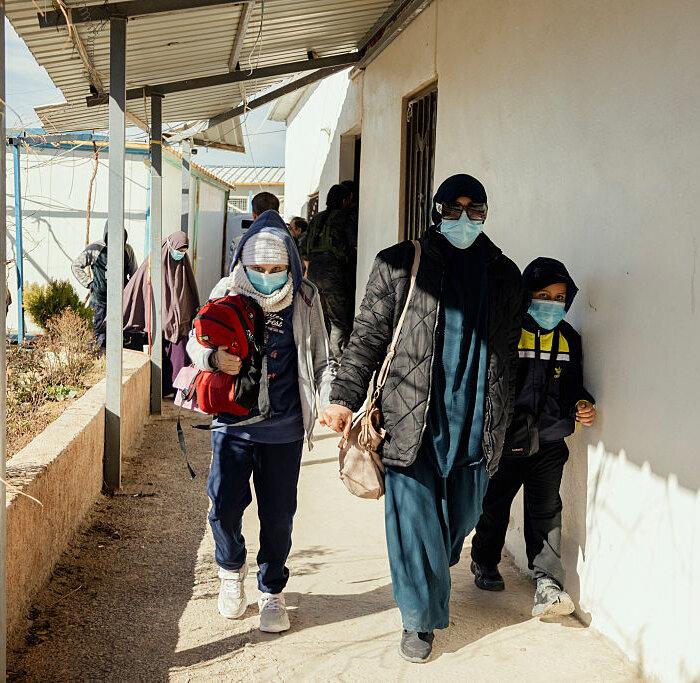
The bill outlined three key objectives.
First, it would introduce a specific criminal offence targeting non-government third parties who facilitate the return of individuals connected to terrorist groups or conflict zones.
Second, it would require any non-government organisation seeking to assist repatriations to obtain written approval from both the home affairs minister and the foreign affairs minister. The Coalition said this measure would restore ministerial accountability over national security decisions.
Third, it would extend the sunset clause of section 119.2 of the Criminal Code—which makes it an offence to enter or remain in a declared terrorist area—from Sept. 7, 2027 to Sept. 7, 2030.
Taylor Accuses Labor of ‘Shrouding’ Repatriation Process
Taylor accused the government of publicly opposing repatriation while quietly enabling it.“The government has tried to shroud this process in secrecy, but we know a few things. We know DNA testing has been conducted. We know passports have been granted and citizenship applications have been processed. We know that just one temporary exclusion order has been issued, raising more questions than answers,” he said.
He argued that Home Affairs Minister Tony Burke had not used all available powers.
“He has chosen not to … He can issue temporary exclusion orders independent of intelligence advice.”
Taylor also alleged Burke had discussed repatriation with the non-governmental organisation Save the Children and noted that state leaders had been in talks with the federal government.
“And we know the premiers of Victoria and New South Wales have been engaging with the Commonwealth for months on return and reintegration issues,” he said.
The motion to suspend standing orders was seconded by Shadow Foreign Affairs Minister Ted O'Brien, who accused the government of failing to defend Australian values.
Burke Calls the Bill ‘Clumsy’
Burke rejected the urgency of the Coalition’s proposal and questioned whether the legislation would even capture the group under discussion.He argued that previous Coalition governments had overseen the return of 40 individuals from similar circumstances.
“They’re the ones who came in under the Abbott government, under the Turnbull Government, and under the Morrison government.”
Burke also raised concerns about unintended consequences, asking whether the bill would criminalise airline pilots or aviation workers involved in transporting returnees.
In addition, he suggested the proposed law could also extend to allied governments who wanted the cohort to leave the detention camps in Syria.
“Our American allies have been the main group that have been wanting [that to happen] now,” he Burke .
The minister then described the bill as poorly constructed, saying it does not achieve what it proposes to.
“What is in front of us here is clumsy legislation that doesn’t do anything to stop people who you would not want in Australia, but does criminalise people who, from the reaction I hear, nobody thinks should be criminalised.”