U.S. special envoy Jared Kushner met with Israeli Prime Minister Benjamin Netanyahu on Aug. 17 as Washington sought Israel’s support for a 15-point roadmap aimed at advancing U.S. President Donald Trump’s peace plan for the Gaza Strip.
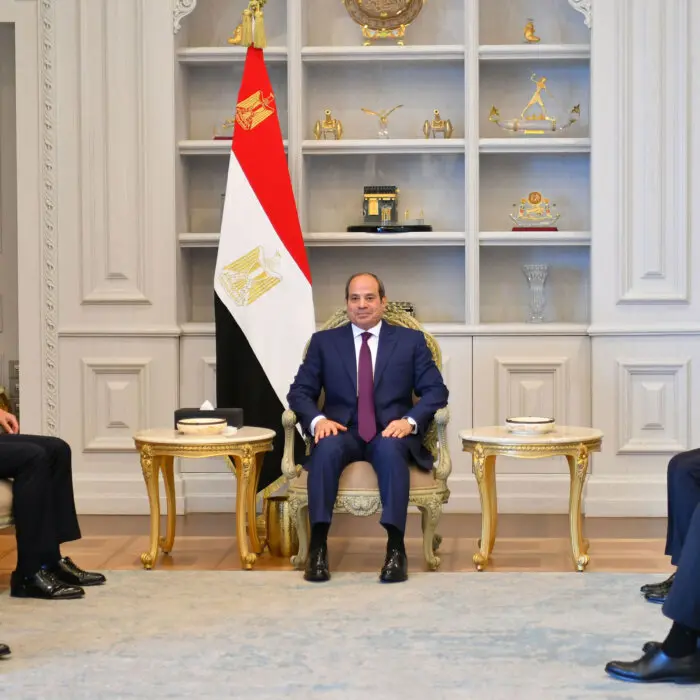
Israeli sources separately confirmed to Epoch Magazine Israel that Kushner met with a Hamas representative in Cairo, although they did not identify the individual.
Hamas said in an official statement that a delegation led by al-Hayya had met under Egyptian sponsorship with mediators and guarantors of the Gaza ceasefire agreement. The statement does not identify Kushner or the other participants.
The group expressed hope that Trump “would continue his efforts to end the pain and suffering” of its people and “achieve security and stability for the region, as a supreme goal toward which everyone strives.”

Kushner previously met Hamas officials alongside U.S. envoy Steve Witkoff in October 2025, helping secure an agreement that led to a ceasefire in Gaza and the release of the remaining hostages seized during the Oct. 7, 2023, Hamas-led attack on Israel.
Following the Aug. 17 discussions with Netanyahu, Kushner told Fox News that the meeting was very good and lasted nearly four hours.
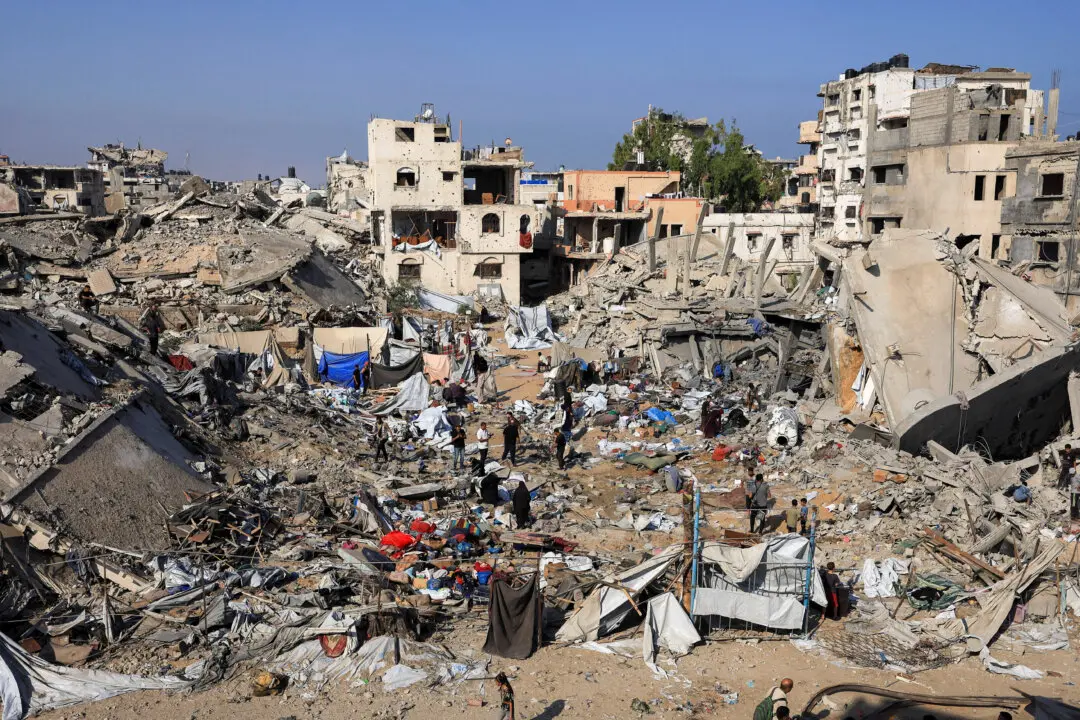
“We’re very committed to the fact that we have a plan to rebuild Gaza, but we will not allow Gaza to be rebuilt until the demilitarization occurs,” Kushner said. “We could be seeing progress in as little [as] 30 days, hopefully on starting to take some of the weapons out, and hopefully filling in some of the tunnels as well in the next 60 to 90 days.”
Netanyahu’s office said the meeting with Board of Peace CEO Nickolay Mladenov also involved “deep and constructive discussions” on Aug. 17.
The prime minister’s office said agreements were made to establish a working group that would address the disarmament and demilitarization of Gaza before any reconstruction in the area. It added that a second working group would be focused on clean water, sanitation, and other public health issues for the people in the Gaza Strip, which it said also affect Israelis.
Israeli diplomatic officials previously told Epoch Magazine Israel that Kushner’s meeting with Netanyahu was intended, in part, to assess the gaps between the Israeli government and the Trump administration regarding implementation of the 15-point roadmap.
Dispute Over Withdrawal
The central dispute concerns whether Hamas must surrender all of its weapons before Israeli forces begin withdrawing from the Gaza Strip.
Netanyahu raised objections to the Board of Peace roadmap earlier this month, saying that Israel would not pull back from its current positions until Hamas had been fully disarmed.
He said the disarmament must cover all of the terrorist group’s weapons and must be genuine rather than “fictitious.” Netanyahu added that some U.S. proposals were acceptable to Israel, while others were not.
Israel currently controls about 60 percent of the Gaza Strip. Netanyahu has previously warned that Israeli forces could advance farther if Hamas fails to disarm.
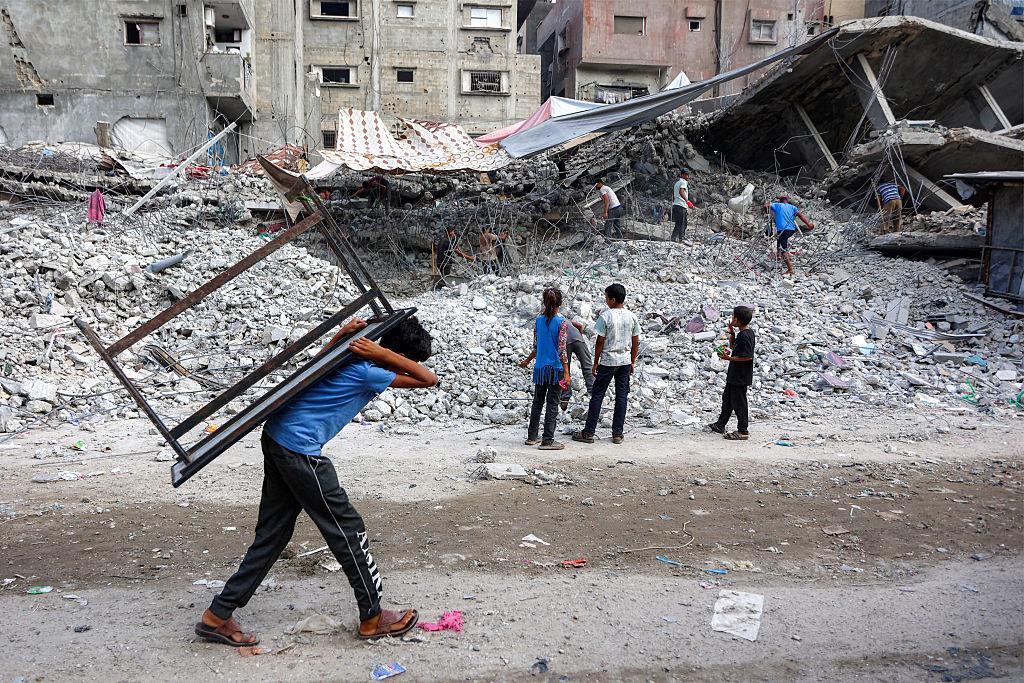
“Israel will have the security it deserves, with Gaza no longer used as a base for terror attacks,” Trump said in a post on Truth Social, noting that the Board of Peace had reached a “historic” agreement paving the way toward lasting regional peace and security.
Under the Trump-backed roadmap, Hamas would hand over its weapons to a Palestinian administration intended to oversee daily operations in the territory. An International Stabilization Force and a newly formed Palestinian police force would assume responsibility for security as Israeli forces withdraw in phases.
The plan also calls for dismantling tunnels, weapons depots, military production sites, and other terrorist infrastructure. Hamas and other armed factions would be excluded from governing the Gaza Strip.
The Board of Peace said in an Aug. 3 post on X that Israeli forces would not withdraw beyond the so-called Yellow Line until Hamas’s light and heavy weapons had been decommissioned and its tunnels dismantled.
Israeli officials have raised concerns that allowing the new Palestinian administration and the international force to enter the region before Hamas is fully disarmed would depart from Israel’s understanding of Trump’s original 20-point plan.
Hamas has expressed support for the roadmap, saying in the Aug. 16 statement that its approval for the plan stems from the interest of its people and the “desire to achieve a permanent ceasefire.”
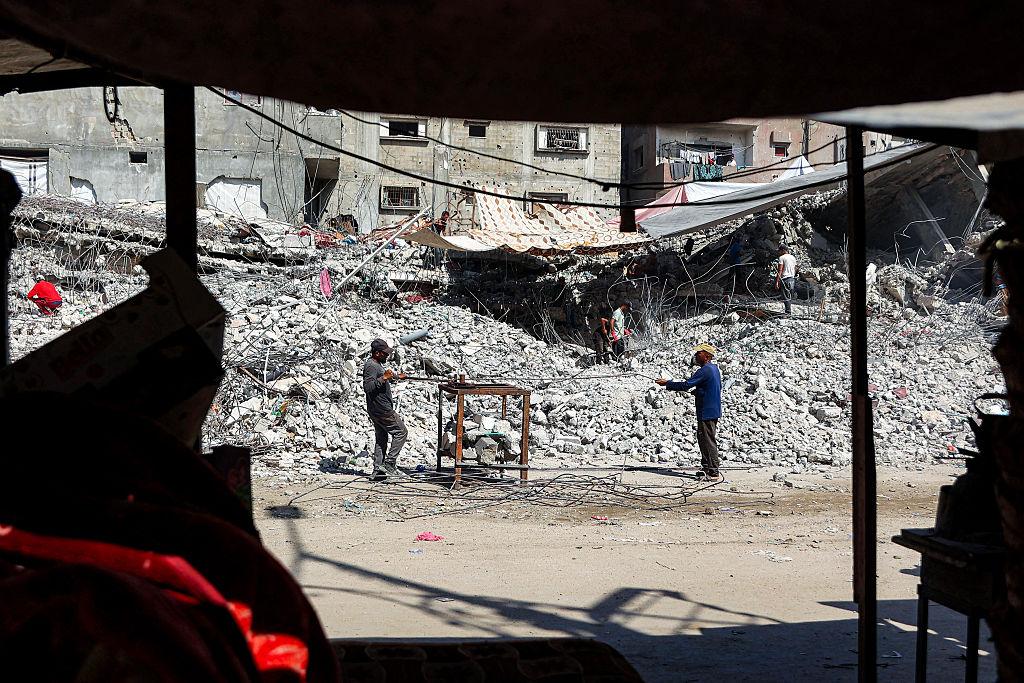
The group said its approval of the roadmap for the second phase of the plan is based on the interests of its people and its “commitment to achieving a permanent ceasefire, the complete withdrawal of the occupation army from the Gaza Strip, ensuring urgent and sustained humanitarian relief, beginning the work of the administrative committee, reconstruction, and the remaining agreed-upon obligations.”
Hamas has accused Israel of failing to meet its obligations under the first phase of the ceasefire.
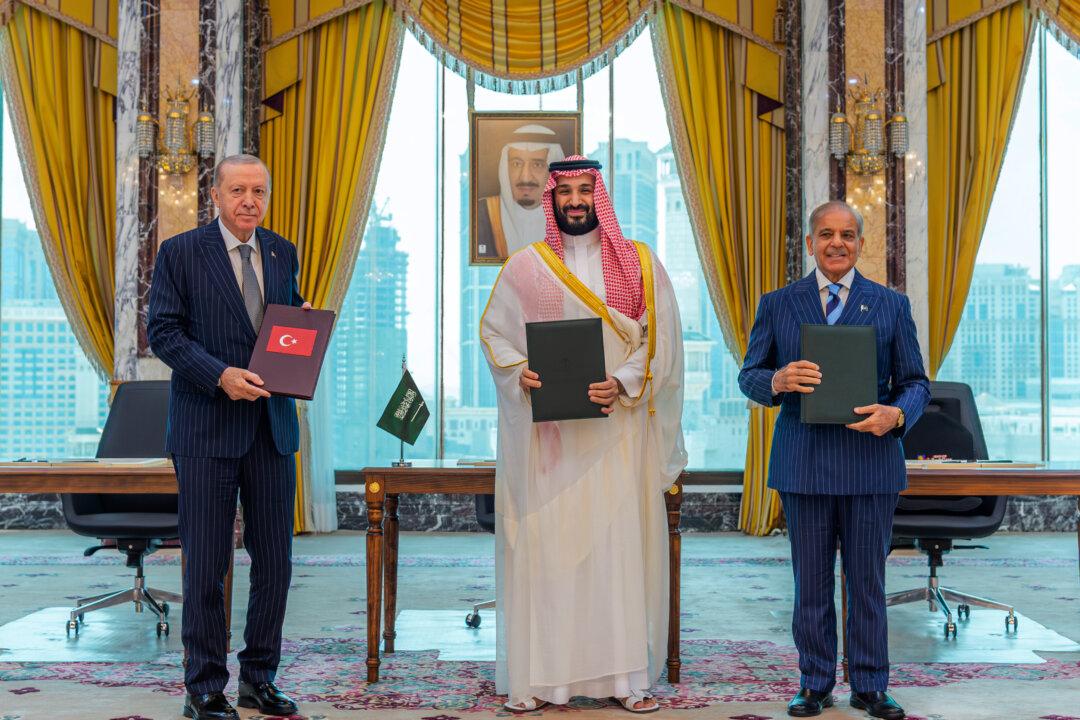
The foreign ministers of Saudi Arabia, the United Arab Emirates, Jordan, Pakistan, Indonesia, Egypt, Qatar, and Turkey issued a joint statement on Aug. 16 calling on Israel to fully accept the roadmap while denouncing Israeli rejection of Palestinian statehood.
“Israel now bears responsibility for obstructing the efforts to bring peace in Gaza,” they said.

Mladenov described the negotiations as “slow, grinding, and technical work” in an Aug. 3 post on X. He added that he met with Netanyahu and his team in Jerusalem that day, describing the discussions as the “start of the hard phase.”