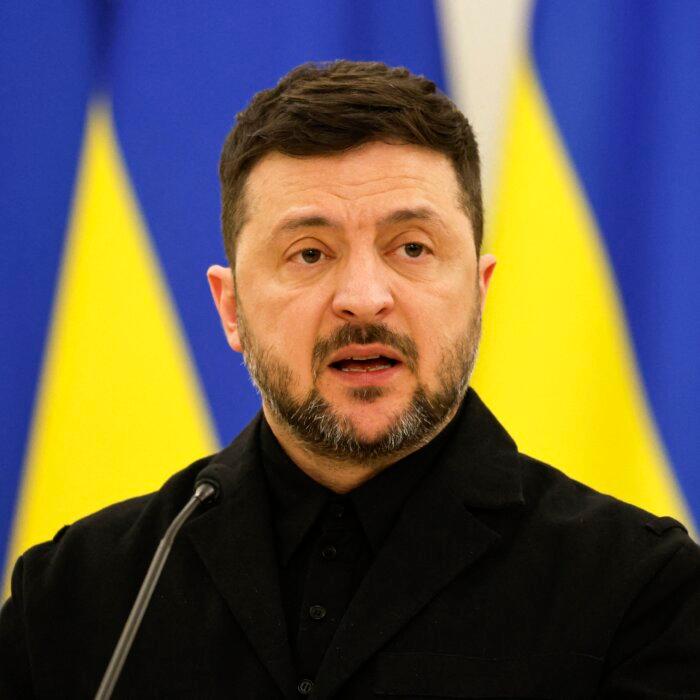
The Kremlin said it has repeated its invitation to Ukrainian President Volodymyr Zelenskyy to come to Moscow for peace talks.
Russia’s statement on Jan. 29 came as the two countries carried out their latest exchange of war dead, and hours after it declined to comment on suggestions that the warring parties had agreed to stop attacking each other’s energy infrastructure.
He said that the Kremlin has not yet received a response from Zelenskyy.
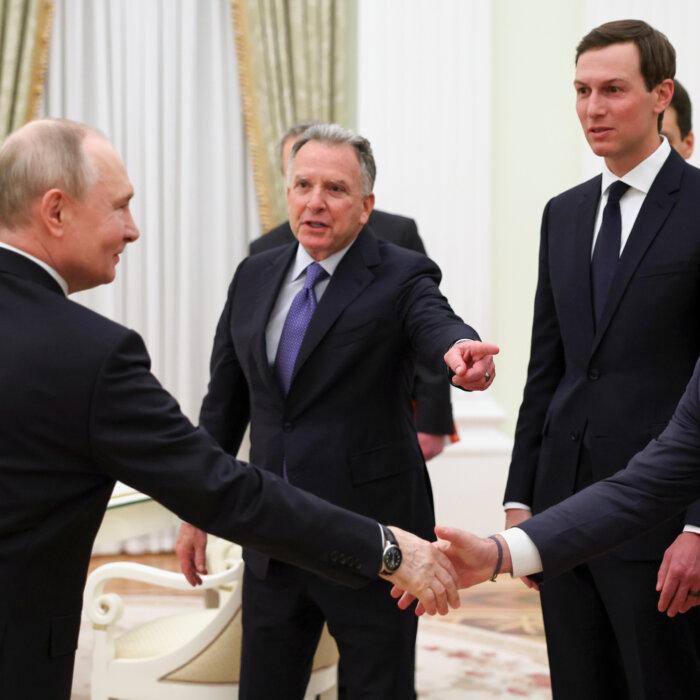
Peskov’s comments came a day after Russian President Vladimir Putin’s aide Yuri Ushakov reiterated Moscow’s invitation.
“Our president has said several times to journalists that if Zelenskyy is truly ready for a meeting, then we would be happy to invite him to Moscow,” Ushakov said.
“Our approach appears to be entirely logical, and Vladimir Vladimirovich [Putin] has addressed this topic several times in his conversations with journalists.”
“The essence of this approach is that we have never refused, and will not refuse, these kinds of contacts,” he said. “The main thing is that these contacts are well-prepared, that’s the first thing. And secondly, that they are focused on achieving specific positive results.”
He also said that the prospect of a meeting between the two leaders had been discussed in telephone conversations between Putin and U.S. President Donald Trump.
Zelenskyy rejected a similar invitation in 2025, saying he could not go to the capital of a nation that was firing missiles at his country every day. He suggested at the time that Putin come to Kyiv instead.
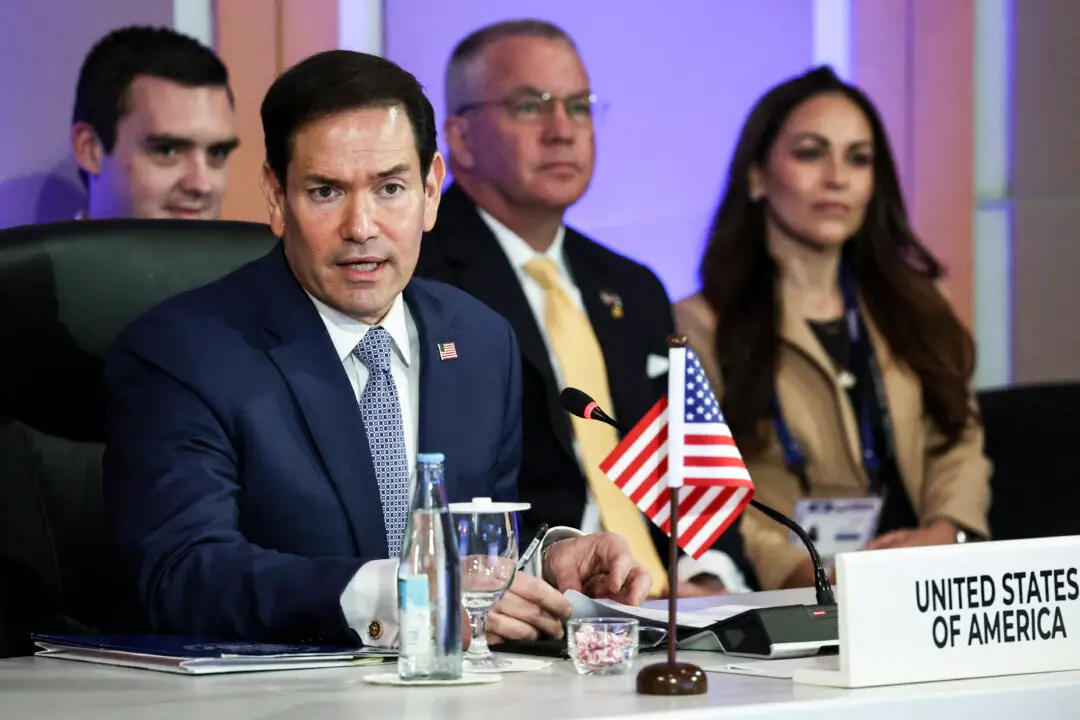
The comments from the Kremlin follow remarks made by U.S. Secretary of State Marco Rubio on Jan. 28, in which he described the two sides’ disagreement over territory as the one central issue.
“It’s still a bridge we have to cross. It’s still a gap, but at least we’ve been able to narrow down the issue set to one central one, and it will probably be a very difficult one,” Rubio said at a Senate Foreign Relations Committee hearing.
Russia has demanded that Kyiv surrender its entire eastern industrial area, the Donbas.
Although Russia has effective control over much of the disputed territory, Ukraine still holds about 20 percent of the Donetsk region of the Donbas and has resisted Russia’s demands that it cede the territory as part of a peace agreement.
Russian, Ukrainian, and U.S. representatives met for their first official trilateral meeting in Abu Dhabi, United Arab Emirates, last weekend, and a second round of talks is scheduled for the same city on Feb. 1.
Emirati President Mohammed bin Zayed Al Nahyan visited Moscow on Jan. 29 and was thanked by Putin for hosting the peace talks.
However, some hard-liners in Russia are less than enthusiastic about the prospect of a negotiated peace with Ukraine.
Ramzan Kadyrov, the Kremlin-backed leader of Chechnya, called on Moscow to settle things on the battlefield rather than around the negotiating table.
Kadyrov, who has led the majority Muslim region in Russia’s southwest since 2007, was present at the Kremlin for the meetings, which took place during the Emirati president’s visit.