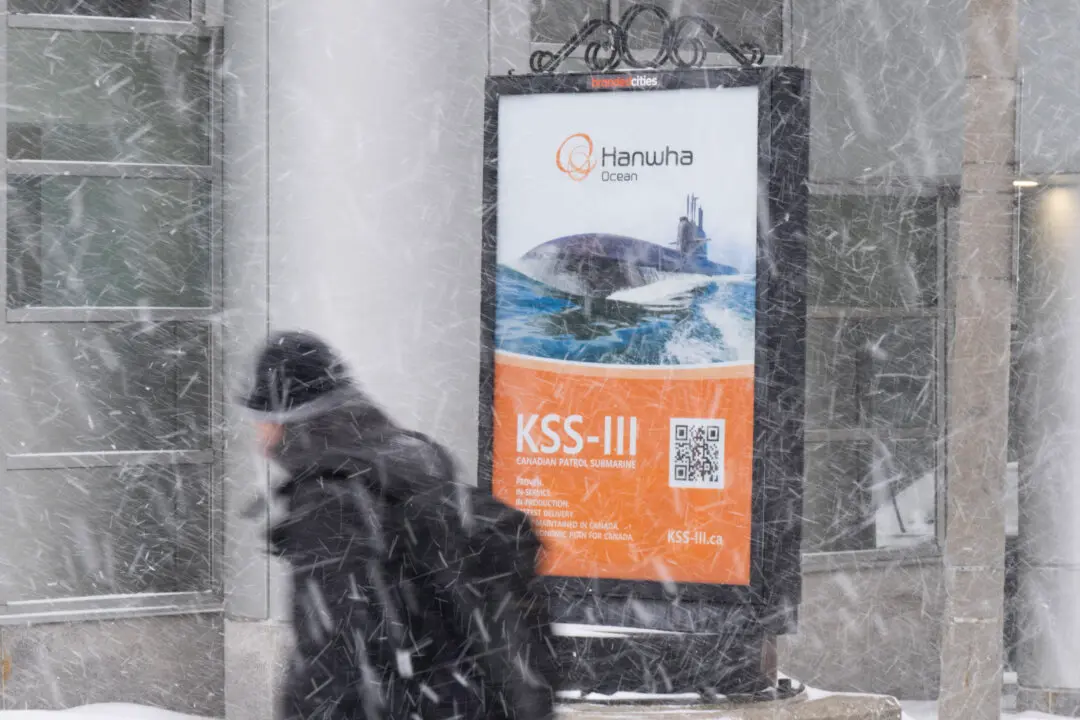
Korean defence manufacturer Hanwha Aerospace says it will build military vehicles and artillery systems in Canada using Canadian labour and materials if it is chosen by Ottawa as a supplier for an upcoming major submarine contract.
The Carney government plans to buy up to 12 conventionally powered submarines in one of the largest military procurements in Canada’s history. It’s expected to announce a winning bidder as early as this year.
Hanwha said that, if chosen, it will partner with the Automotive Parts Manufacturers’ Association (APMA) to establish a Canadian joint venture that would produce a range of armoured vehicle and artillery systems domestically. Under Hanwha’s proposal, the vehicles would be made in Canada using Canadian labour and Canadian-made inputs, including steel and aluminum, with vehicles for the Canadian Armed Forces and for export to Canada’s allies.
Hanwha said April 29 that the production lineup could include manufacture of its K10 ammunition resupply vehicle, Chunmoo multiple rocket launcher system, Redback infantry fighting vehicle, K9 Thunder self-propelled howitzer and uncrewed ground vehicles.
APMA president Flavio Volpe said Hanwha first contacted the group roughly four months ago and has spent considerable time since then assessing the capabilities of Canada’s automotive manufacturing base and its capacity to support defence production.
The proposal comes as Canada’s auto sector continues to face pressure from a prolonged U.S. tariff dispute.
Volpe said domestic vehicle assembly has fallen by roughly a third since U.S. President Donald Trump began imposing tariffs during his first term in 2018, triggering years of trade uncertainty that has added pressure on Canada’s auto sector and contributed to plant slowdowns, shift cuts, and layoffs across the industry.
Volpe said the ability for Canada’s automotive manufacturing sector to diversify remains limited and long-term military contracts such as those being offered by Hanwha would bring increased stability to the sector, including more job security for workers and those involved in secondary industries such as maintenance and repair.
The structure and details of the collaborative venture proposed by Hanwha are still being discussed, according to Volpe, who said it could involve using factories that already exist or building a new plant.
Submarine Contract
Both Hanwha and German shipbuilder Thyssenkrupp Marine Systems (TKMS) are seeking the contract to build the submarines for Canada, and both submitted proposals before the March 2 deadline.
Ottawa later revised the deadline to April 29 to allow the contenders to strengthen their bids.
TKMS also added incentives to its proposal, including an agreement to work with Canadian shipbuilder Seaspan Shipyards to maintain the submarines, a teaming deal with Montreal-based aerospace and defence training and simulation company CAE, and a larger industrial plan to boost Canadian jobs and domestic supply-chain growth referred to as Team212CD.
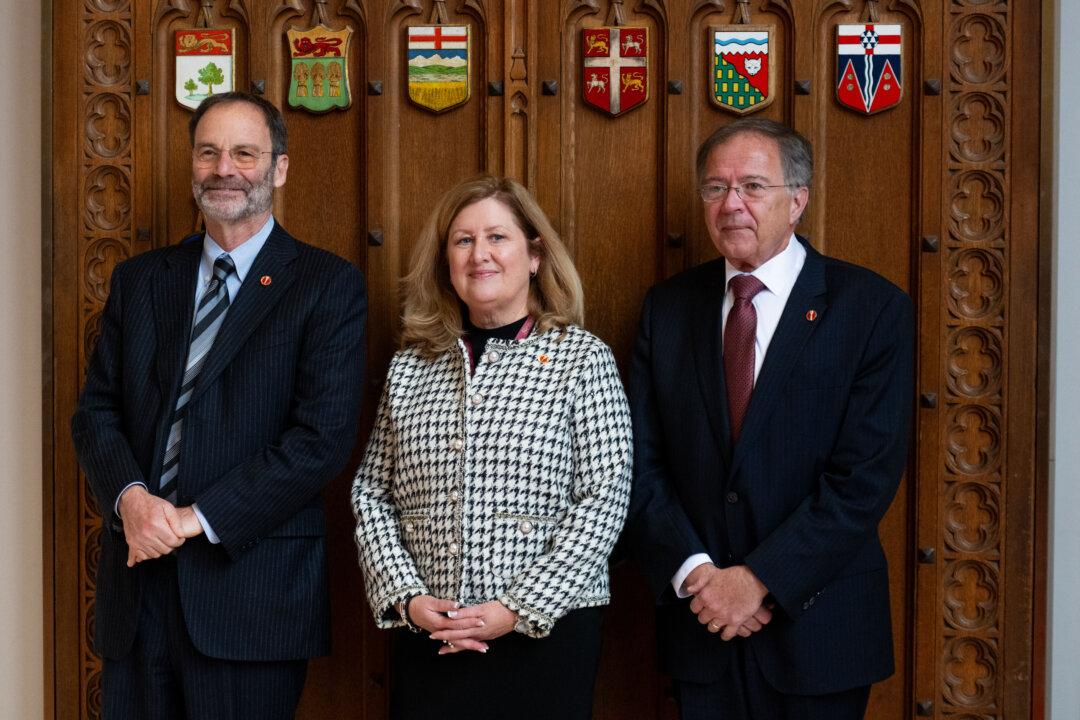
Secretary of State for Defence Procurement Stephen Fuhr said Hanwha’s proposal indicates that Ottawa’s procurement strategy is attracting bidders that can offer domestic economic benefits to Canada.
“They’re great companies and because there’s only two, they have a 50 percent chance of winning this and they know what the stakes are,” Fuhr told media April 29 on Parliament Hill. “So guess what? They’re putting their best foot forward and we’re happy to see that.”
Ottawa has said it expects to have the first of the new submarines operational by 2032.
The Canadian Press contributed to this report.