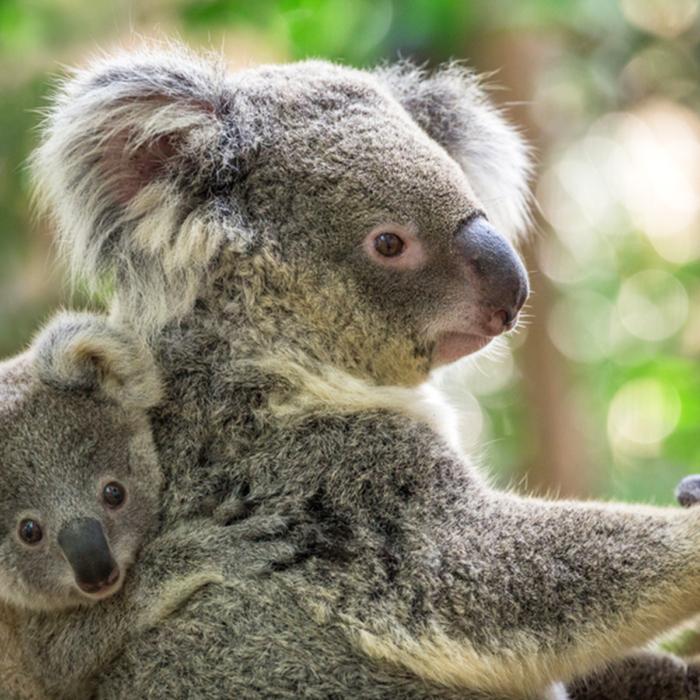
The Australian federal government has approved a historic single-dose vaccine to protect koalas from chlamydia, a disease threatening the survival of the species.
Chlamydia can cause painful infections, infertility, blindness, and death in koalas.
Infection rates in some populations reach up to 70 percent, with the bacterial disease threatening the survival of koalas in eastern Australia.
A ‘Huge Achievement’
Environment and Water Minister Murray Watt said the vaccine had been more than a decade in the making.“Having a koala chlamydia vaccine registered and ready for use is a big stride towards protecting this iconic species,” Watt said.
“We know chlamydia impacts the fertility of wild koala populations and is a threat to their survival. That’s why the Albanese Government is supporting this project.”
Queensland’s Role
Queensland’s Liberal state environment minister Andrew Powell said his government had provided early backing to the research.Local Koala Colonies ‘Edging Closer to Extinction’: Professor
University of the Sunshine Coast Peter Timms said some local colonies were “edging closer to local extinction every day,” especially in South East Queensland and New South Wales.In these areas, he said, infection rates within populations were around 50 percent and in some cases can reach as high as 70 percent.
Timms said the vaccine offered three levels of protection. These include reducing infection, preventing progression to disease, and in some instances, reversing existing symptoms.
“This is a high-quality, veterinary-approved product that can now be used in wildlife hospitals, veterinary clinics, and in the field, to protect the nation’s most at-risk koalas.”
“We knew a single-dose vaccine—with no need for a booster—was the answer to reducing the rapid, devastating spread of this disease.”
UniSC researcher Sam Phillips said the vaccine had been trialled on hundreds of wild koalas.
Partnerships
The project has been supported by the federal and Queensland governments, and the NSW government’s koala research team.Other partners include the local councils of Gold Coast, Redland, and Moreton Bay.