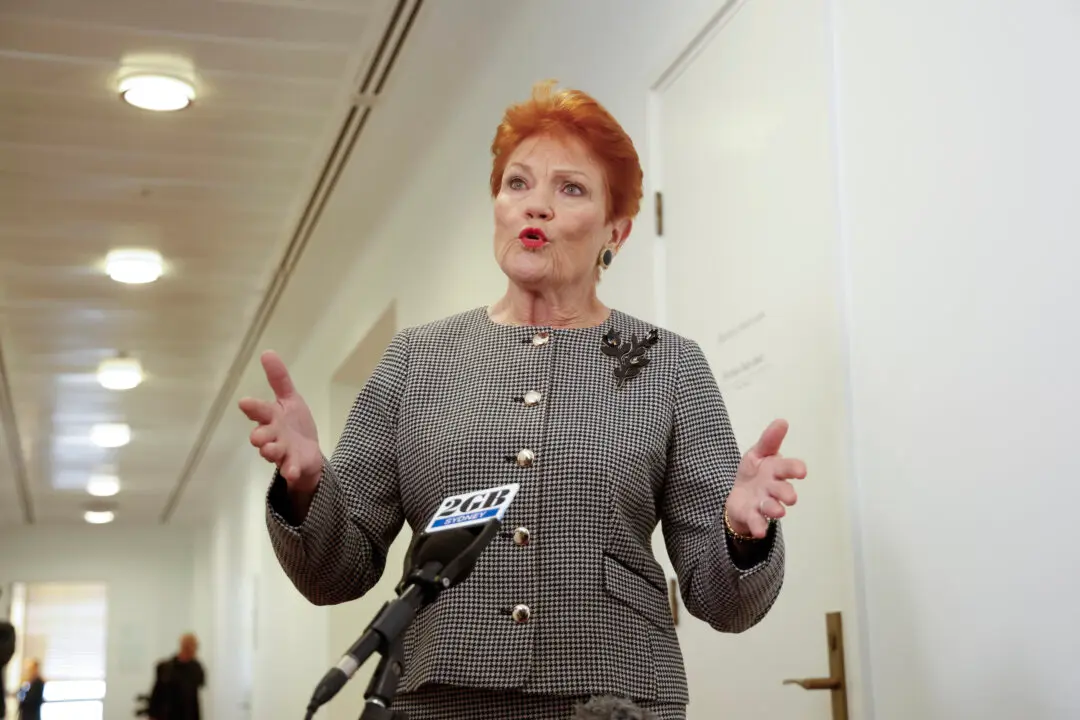
Australia’s National Farmers Federation (NFF) says it is ready to work with Environment Minister Murray Watt on the development of a new set of environmental laws following a roundtable with the minister and other key stakeholders on June 19.
Watt, who took over the portfolio from Tanya Plibersek in Labor’s cabinet reshuffle in May, said it was “time to work together to fix” the nation’s ageing environmental laws.
Conservation groups have been critical of the government’s failure to enact reforms that had first been discussed by Prime Minister Anthony Albanese in 2022.
But Watt—who met with representatives in industries from mining to urban planning—says he remains determined to see the changes through.
“We all know the laws aren’t working for our environment or business,” he wrote on X.
The Environment Protection and Biodiversity Conservation (EPBC) Act 1999 has been subject to amendments over time, but concerns have lingered that, overall, some laws are outdated, too complex and in some cases no longer relevant to modern practices.

The NFF says it supports the findings of both the Samuel and Craik reviews and welcomes changes to existing complicated processes.
NFF President David Jochinke called the meeting with the minister a “constructive reset.”
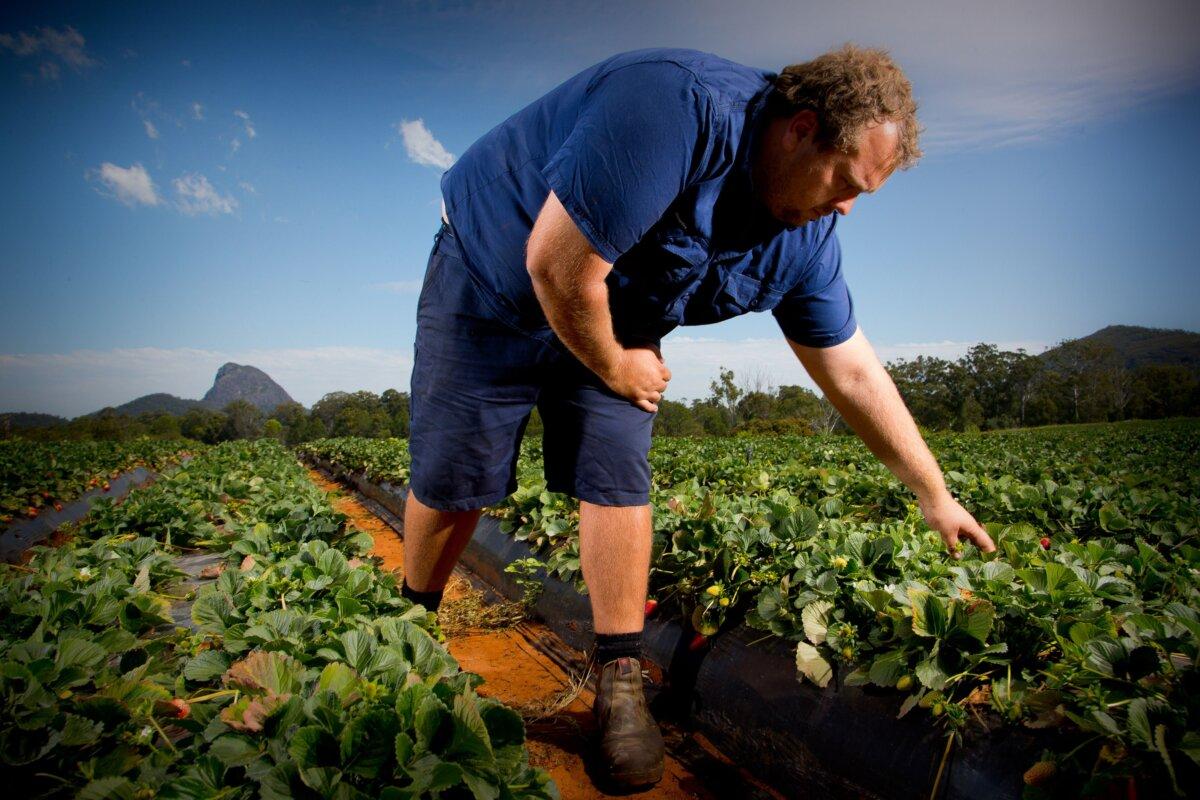
“The farm sector is ready to engage, and we welcome the minister’s commitment to finding common ground and progressing reform as a priority,” he told The Epoch Times.
“Farmers are stewards for more than half of Australia’s environment, so it’s vital they have a clear pathway to understanding their rights and responsibilities under the EPBC Act.”
Jochinke said the NFF outlined practical priorities, such as streamlining consent processes at state and federal levels, protecting existing use provisions, and ensuring reforms support productivity.
“We support sensible reform grounded in the Samuel and Craik reviews, and we welcome the minister’s willingness to work with us on biodiversity offsets,” he said.
“This is a chance to get the balance right.”
Jochinke says there is broad agreement on the need for national standards, regional planning and certainty, but maintains that the detail will matter as the industry has big plans for the future.
“We’ll keep working to ensure reforms are smart, workable and support the sector’s growth to $100 billion by 2030,” he said.

Environmental Wish List
The Australian Conservation Fund (ACF) told The Epoch Times that it was encouraging to see the minister “getting on with the job” amid Albanese’s “unfulfilled” election promise.ACF CEO Kelly O’Shanassy was present at the Canberra event with Watt.
“Nature protects us all by providing clean air and water, beautiful landscapes, good food and the materials we need to live, but the national environment law is not working, leaving Australian wildlife under extreme pressure,” she said.
“The single most critical reforms are making national environment standards that set the rules to protect nature, an Environmental Protection Agency (EPA) to enforce them, and making sure climate impacts on nature is considered in decision-making.”
The group is also calling on the government to introduce a “quick no” process for approvals that would be deemed too damaging to the environment and address loopholes in existing regulations to ensure consistent application of laws.
Finally, the ACF is seeking to “address climate harm” in all decisions that fall under nature law, to bolster Indigenous representation, and to replace the Conservation Advice and Recovery Plan—which governs how governments deal with threatened species and environments—with a more effective system.
“For the sake of Australia’s unique animals and plants, there can be no more delays or carving out industries,” O'Shanassy said.
“It’s time for the Albanese government to fix Australia’s nature laws in the first year of the new parliament.
“ACF looks forward to working with Minister Watt on this critical task.”