A Monash University professor has proposed that Australia’s national Climate Risk Assessment be conducted regularly to stay relevant amid rapidly evolving climate science.
On Sept. 15, the Labor government unveiled the country’s first national Climate Risk Assessment, describing it as a “comprehensive” analysis of climate impacts on society, despite being released months later than planned.
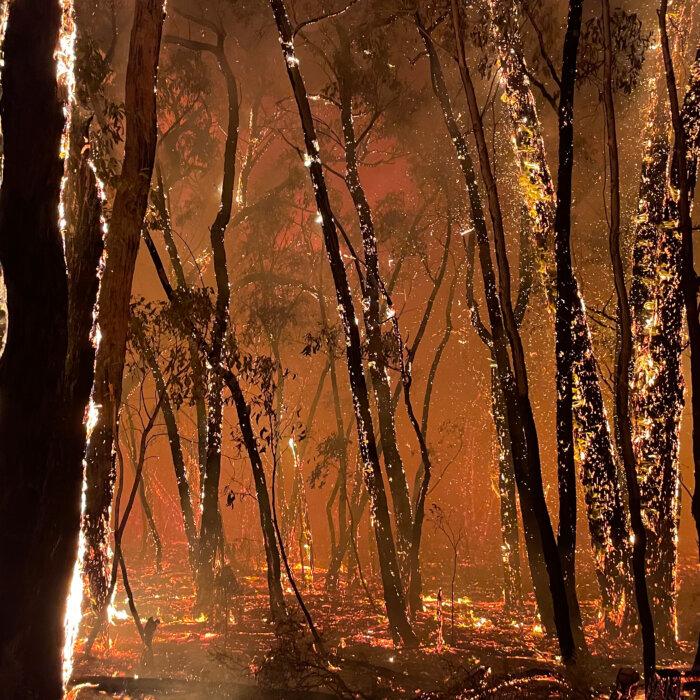
It estimates that rising seas could directly affect 1.5 million Australians and warned that the annual economic cost of natural disasters may climb to $40 billion (US$26.6 billion) by 2050.
While welcomed by climate change advocates, the report has drawn criticism over its nature and timing.

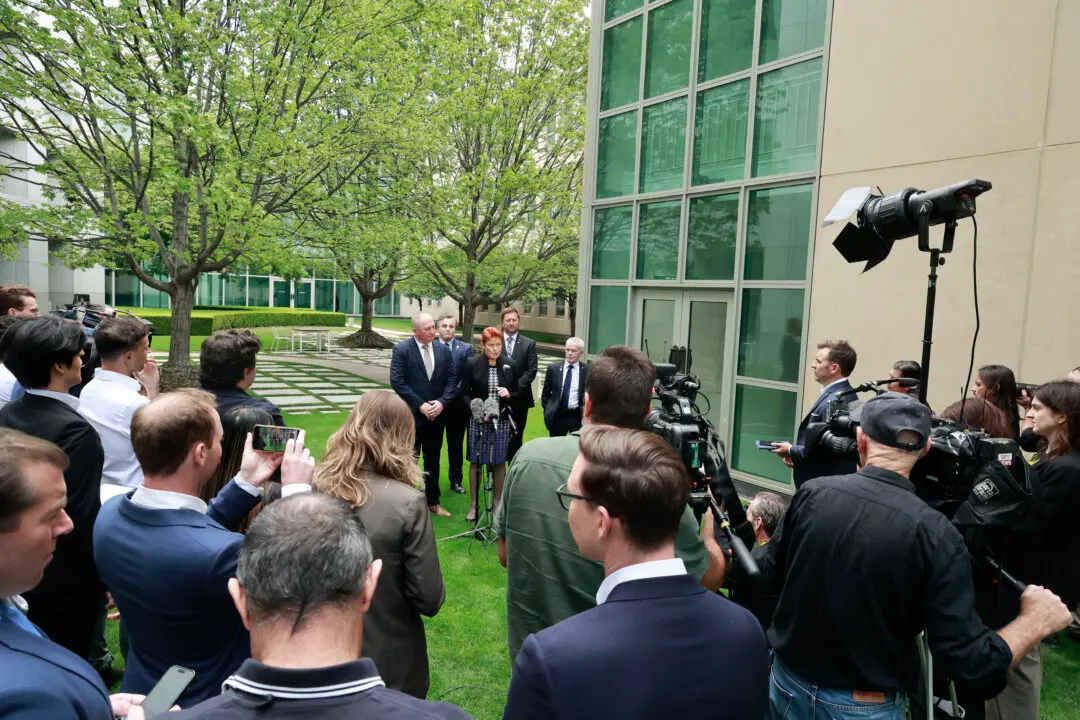
Nationals Senator Matt Canavan called the report a “scare campaign,” while denouncing it as an abuse of taxpayer money.
Professor Calls for More Regular Release of Climate Risk Assessment
During a recent parliamentary inquiry, Monash University professor Christian Jakob, deputy director of the ARC Centre of Excellence for Climate Extremes, said the assessment should not be a one-off.“The science and the climate change rapidly. New information comes to light almost every day,” he told the Environment and Communications References Committee.
“Hence, we need this process to be continuous with reports released on a regular basis, updated with the latest information.”
Shortcomings in the Report
At the same time, Jakob pointed out that the report has information gaps. One example is that it does not cover the risks associated with decarbonisation.“What I mean is that our net-zero 2050 economy will be highly weather-dependent,” he said.
“The weather will be the fuel for our economy, because the electricity we generate will come from the weather, and we need to assess opportunities and risks since that weather and the resources it provides are changing as the climate is changing.
He added that the reliability of Australia’s carbon sink had also not been assessed.
Australia’s Sovereign Litigation Risk
Meanwhile, University of Melbourne associate professor Ben Neville, deputy director of the Melbourne Climate Futures, noted that the report omitted Australia’s potential exposure to sovereign litigation over climate change.“This means that the Australian government, and thus Australian taxpayers, could be on the hook for the climate damage caused to other nations by companies operating in Australia,” he said.
Neville recommended that future climate risk assessment reports should include “attribution science” linking emissions from individual firms to specific events.