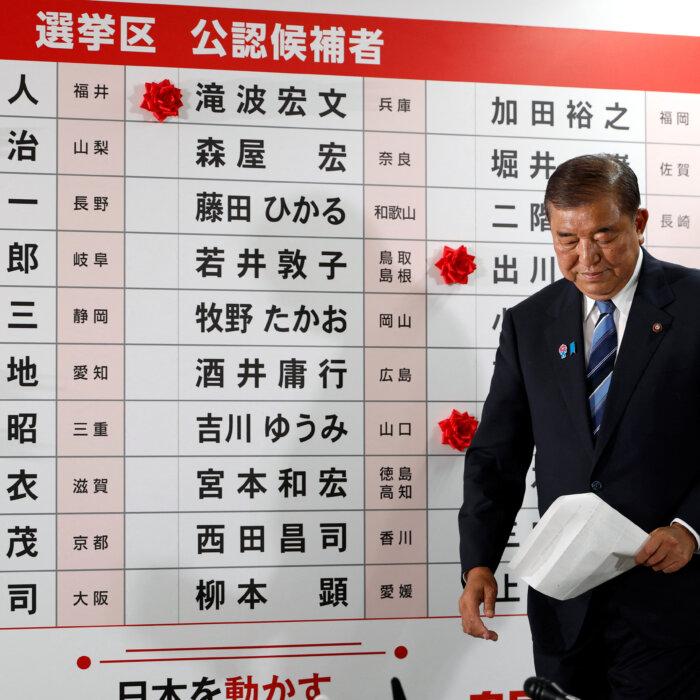
Japanese Prime Minister Shigeru Ishiba has denied reports he plans to announce his resignation before the end of the month, after agreeing to a trade deal with the United States.
Ishiba denied the story was true.
“I have never made such a statement. ... The facts reported in the media are completely unfounded,” he said.
He added that he would not comment further until he had carefully examined the details of the trade agreement with the United States.
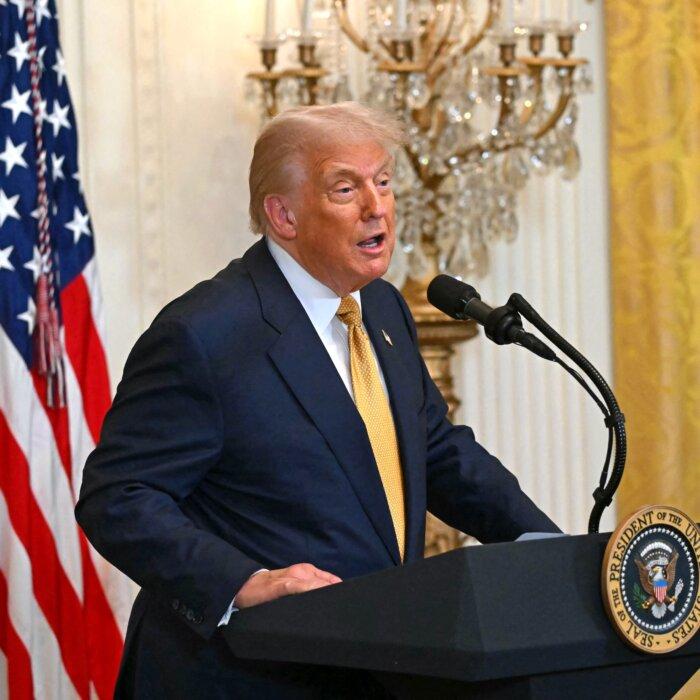
As a part of the deal, Japan will open its market to U.S. exports, including cars and trucks, rice, and other agricultural products, and will also pay reciprocal tariffs to the United States at a rate of 15 percent.
Ishiba Says Deal Will Create Jobs
Ishiba welcomed the deal on July 23, saying it came as a result of tough negotiations to protect Japan’s national interest, and would create jobs and investment.He met several key figures in the LDP on that day, including former Prime Ministers Taro Aso, Fumio Kishida, and Yoshihide Suga, at the party’s headquarters in Japan, and told reporters they only discussed the election results and the state of the country.
The Yomiuri Shimbun had reported that Ishiba would resign after receiving a detailed report on the deal from his chief trade negotiator, Ryosei Akazawa, who is expected to return to Japan on July 24.
Speculation has already begun about who might succeed Ishiba as LDP leader and prime minister, with Shinjiro Koizumi, the 44-year-old son of a former prime minister, being a leading contender.
The LDP and its junior coalition partner, Komeito, were trying to hold onto a majority in the 248-seat upper house, the House of Councillors, but fell three seats short in the July 20 vote.
It was the fifth time that Ishiba—who has been in the Japanese Parliament since 1986 and was defense minister between 2007 and 2008—had bid for leadership of the party.
Ishiba defeated Sanae Takaichi, 64, in the second round of the LDP leadership election.
Takaichi is expected to run again if Ishiba resigns and would be Japan’s first female prime minister.
Koizumi—whose father, Junichiro Koizumi, was prime minister between 2001 and 2006—had been knocked out in the first round and would be the youngest leader of Japan in eight decades if he were to win the leadership election.
The LDP—a pro-business party with a long tradition of support for the United States—has ruled Japan for most of its post-war history.