The Japanese government will raise visa fees for foreigners by 500 percent, effective on July 1.
Japanese Foreign Minister Toshimitsu Motegi said the decision, made at a Cabinet meeting on June 19, was the first change to visa fees in 48 years, The Japan Times reported.
The fee for a single-entry visa will rise from 3,000 yen (about $19) to 15,000 yen, according to the Japanese foreign ministry.
For a multiple-entry visa, the fee will rise from 6,000 yen to 30,000 yen.
“The current visa fee was set in 1978, and we have recently revised it to reflect inflation and exchange rate fluctuations since then,“ Motegi said at a news conference on June 19.
“We made this decision after carefully considering various factors, and we do not anticipate that it will have an immediate impact on inbound tourism.”

‘Tourism Pollution’ Concerns
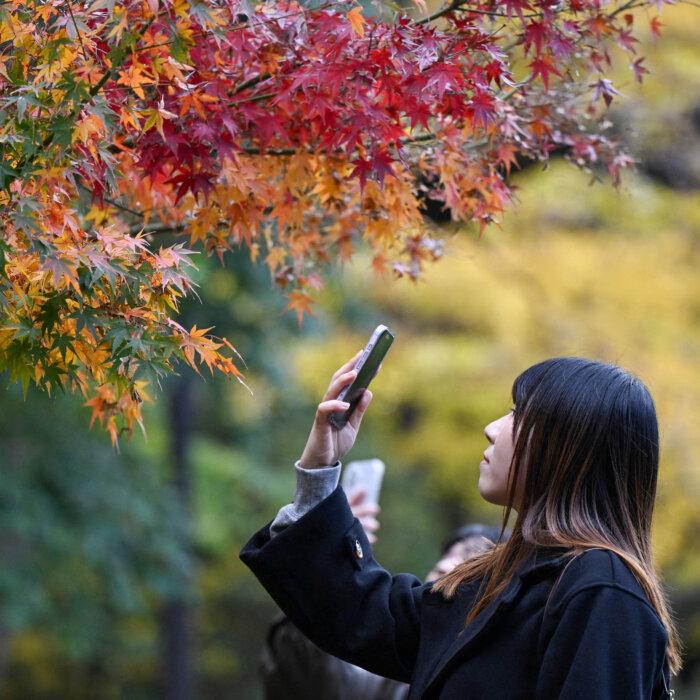
In February, the town of Fujiyoshida canceled its annual cherry blossom festival amid concerns about “tourism pollution.”In October 2025, the Asahi Shimbun newspaper reported that the government was considering increasing visa fees and also raising a so-called “departure tax” on foreigners flying out of Japan.
Motegi said lower fees for Japanese citizens applying for passports would also be introduced on July 1.
In April, the upper house of the Japanese parliament approved a law reducing the fees for Japanese nationals applying for or renewing 10-year passports from 16,000 yen to 9,000 yen.
In December 2025, the Japan National Tourism Organization, the official tourism board of Japan, said the number of foreign visitors through November 2025 totaled 39,065,600, surpassing the full-year record of 36,870,148 set in 2024.
It said there was a high demand for travel to Japan, particularly from South Korea, Taiwan, Malaysia, Indonesia, the United States, Canada, Australia, and Europe.
But Japan’s tourism board noted that 562,600 visitors still had come from China in November 2025, a 3 percent increase from November 2024.
Sanseito, a nationalist party that campaigned against the rising number of foreigners living in Japan and also criticized the behavior of some tourists, increased its number of seats in the lower house of Japan’s parliament from two to 15.
In September 2025, The Japan Times reported that the Australian embassy had warned its tourists to behave appropriately after an Instagram influencer, Lochie Jones, drank from a can placed as a symbolic offering on a tombstone in a Japanese graveyard, prompting widespread anger online.
In Japan’s Shinto religion, which emphasizes great reverence for ancestors, it is common to leave food and drink offerings at the graves of relatives.