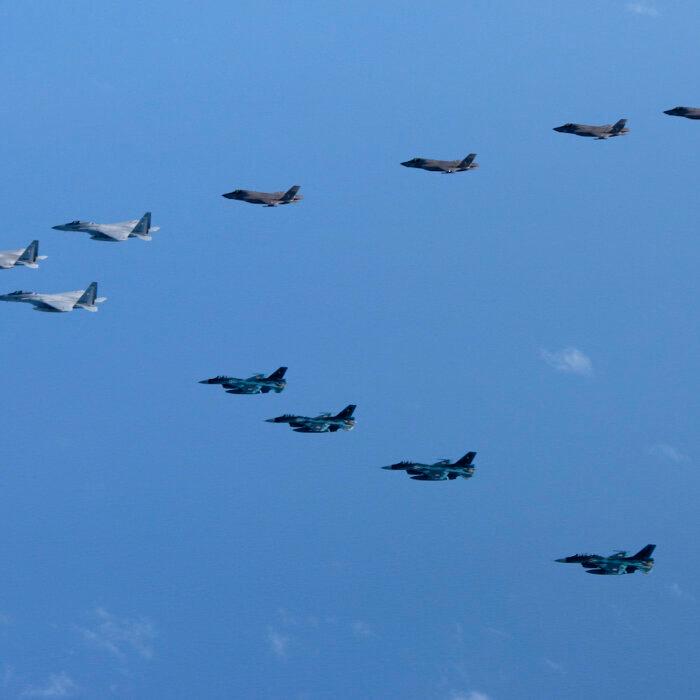
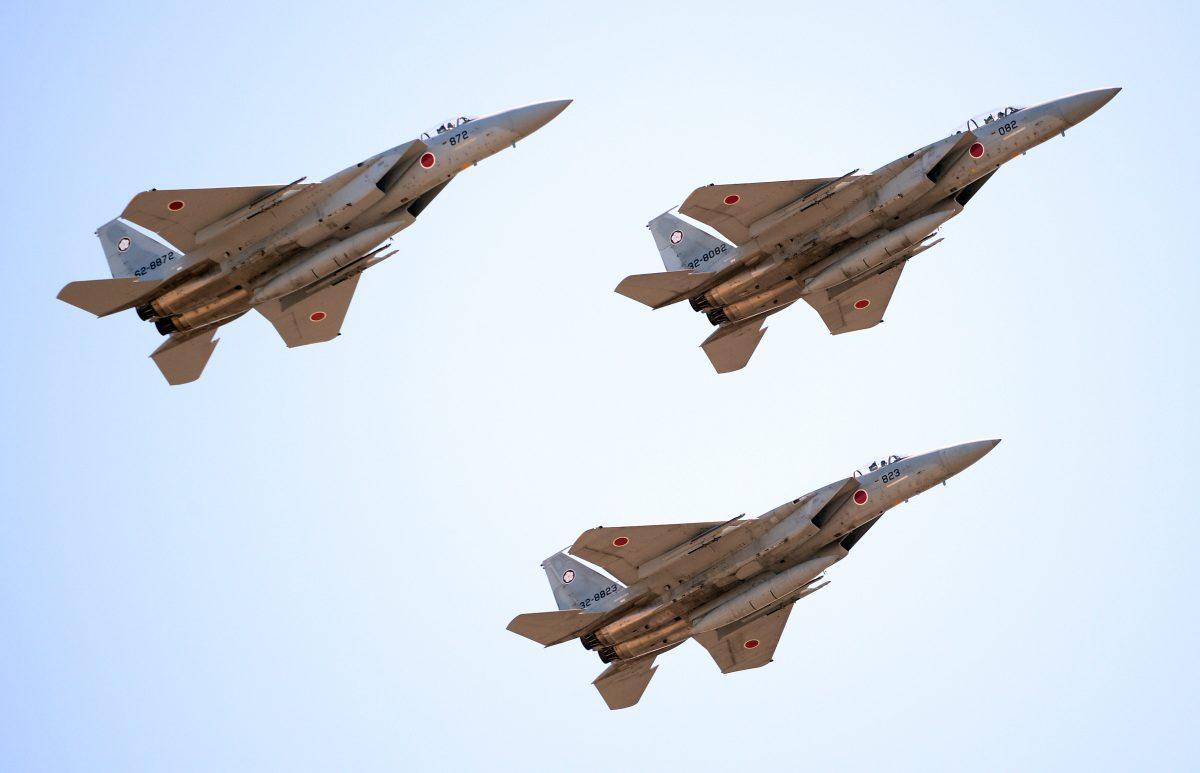
His remarks followed a series of exchanges between Tokyo and Beijing after Japan said two Chinese J-15 fighter jets targeted Japanese F-15s with radar during incidents on Dec. 6.
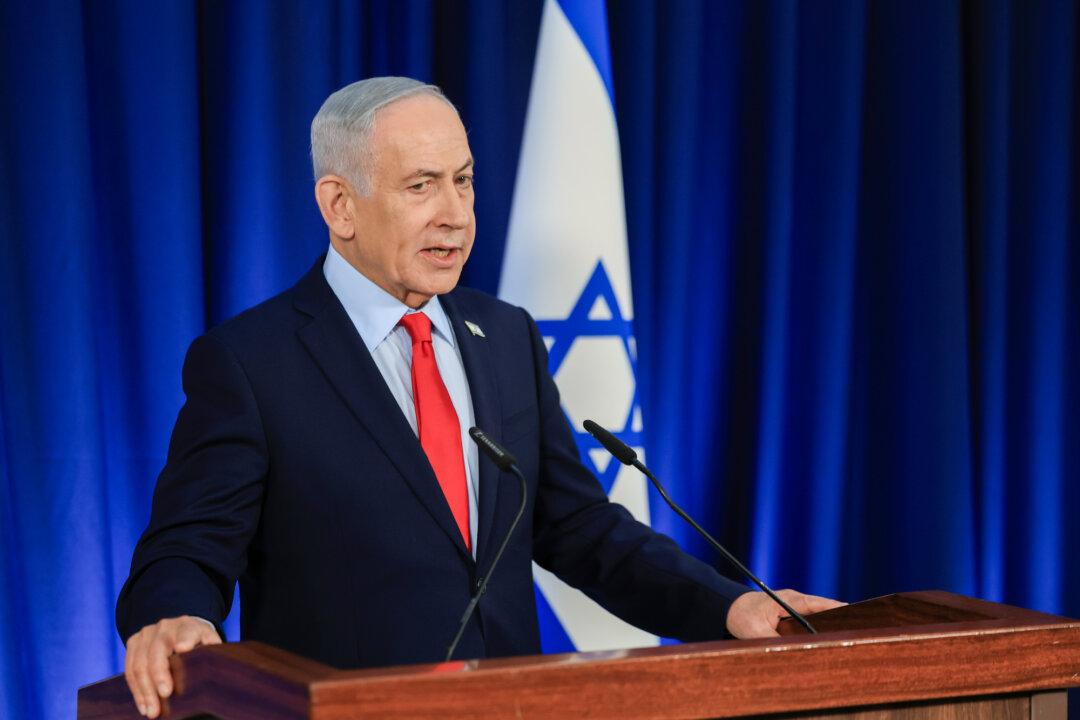
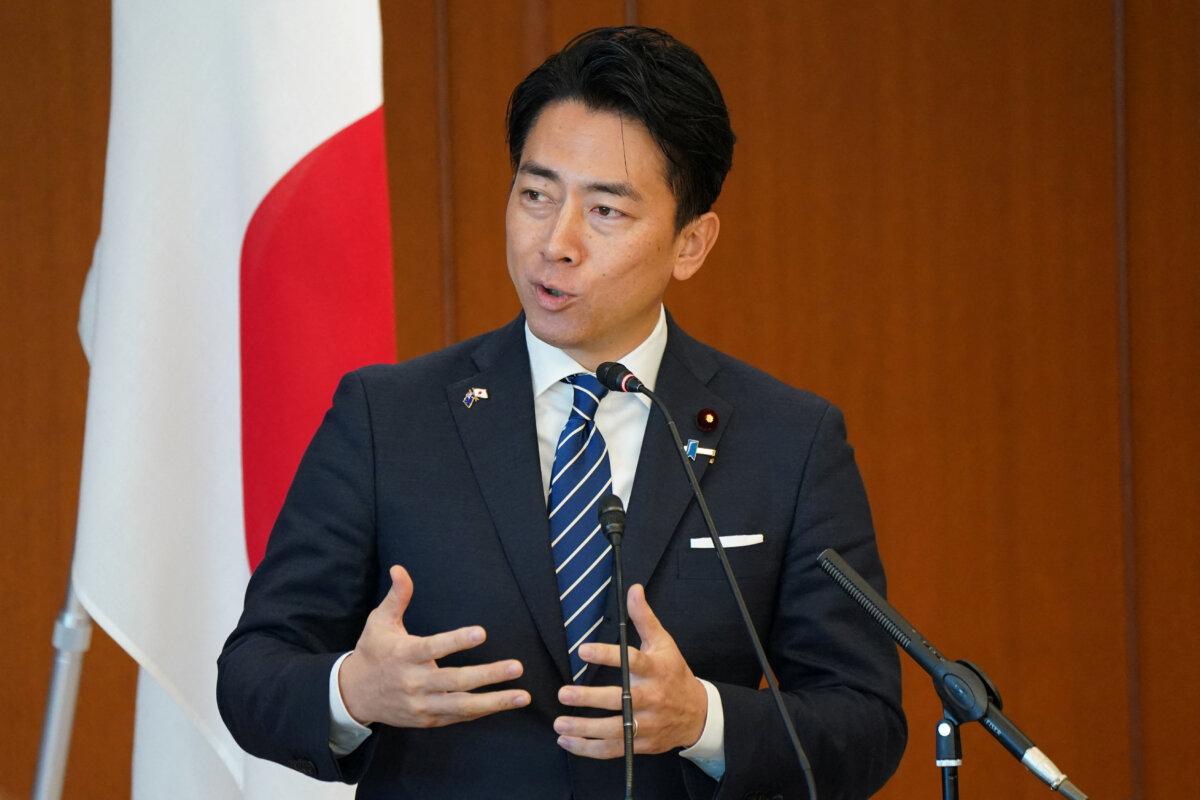
Speaking after a review of the encounter, Koizumi said Japan’s assessment contradicted Beijing’s accusations.
Koizumi said that Tokyo has no record of prior navigation warnings for training linked to the Chinese aircraft carrier Liaoning.
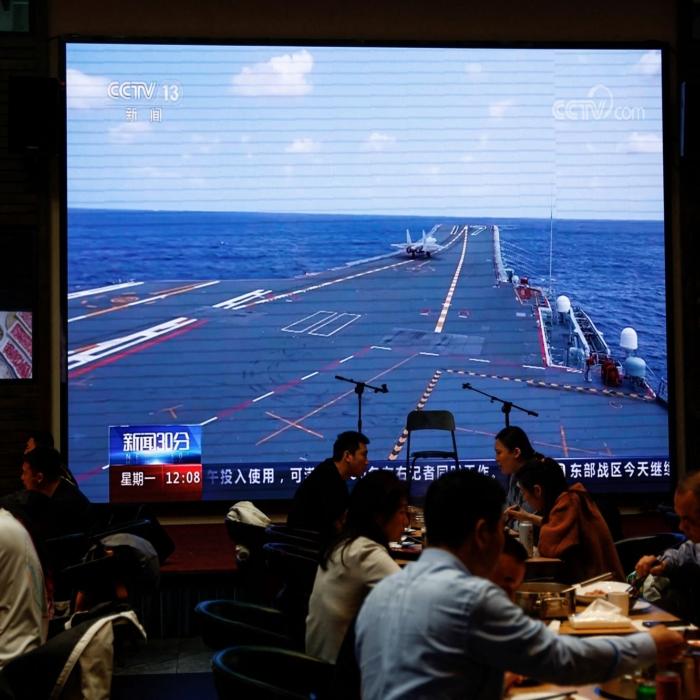
“While China claims that prior public notification was made, we are not aware of any NOTAMs or navigation warnings issued beforehand regarding training sea or airspace associated with Liaoning’s carrier-based aircraft,” he said in a statement.
Chinese state-run media, Xinhua News Agency, reported on Dec. 10 that Japanese military aircraft repeatedly approached the training zones and disrupted the exercises. The report follows Dec. 7 remarks by a spokesperson for the Chinese navy, Senior Col. Wang Xuemeng, who accused Japan of intruding into training areas designated to China.
Wang defended China’s flight training near the island of Miyako, saying Beijing announced the exercises beforehand and accused Japanese aircraft of “harassment.”
Japan pushed back against China’s assertion that activating search radars is a normal procedure for ensuring flight safety, saying fighter radars are dual-purpose systems that can be used for both surveillance and fire control.
“The fighter pilot detecting the radar beam cannot clearly discern its intended purpose,” Koizumi said.
Koizumi Calls for Dialogue
Despite rising tension, Koizumi said there was a need for continued communication between the two countries.“Japan believes it is indispensable for both sides to persistently engage in candid dialogue and communication, without avoiding concrete and difficult issues, precisely because such circumstances exist,” Koizumi reiterated on Dec. 10.
He said Australia’s interests lay in protecting freedom of navigation and upholding international maritime law, including the U.N. Convention on the Law of the Sea (UNCLOS).
“We are deeply concerned by the actions of China in the last 24 hours,” Marles stated. “Australia and Japan [will] work together to uphold a free and open Indo‑Pacific.”
In response, a Chinese foreign ministry spokesperson denied the allegations of radar illumination and rejected Japan’s protest. The spokesperson said China lodged a “counter-protest” in Beijing and Tokyo.
Political tensions have also grown following Japanese Prime Minister Sanae Takaichi’s remarks on Nov. 7 about a possible Chinese attack or blockade of Taiwan.
She said such a scenario could create a “survival-threatening situation,” language that might allow Tokyo to authorize military mobilization under Japan’s security laws. Taiwan lies about 60 miles from Japanese territory at its closest point.
In a Nov. 21 letter to U.N. Secretary-General Antonio Guterres, China’s permanent representative to the United Nations, Ambassador Fu Cong, described the prime minister’s comments as a threat.
Japan responded in writing, reaffirming that its policy was “exclusively defense-oriented” and rejected Beijing’s accusations.