This copy is for your personal, non-commercial use only. Distribution and use of this material are governed by our Subscriber Agreement and by copyright law. For non-personal use or to order multiple copies, please contact The Epoch Times Reprints.
Italian Prime Minister Giorgia Meloni inside 10 Downing Street ahead of a bilateral meeting with British Prime Minister Keir Starmer in London on March 2, 2025. Ben Whitley/Getty Images
Italian Prime Minister Giorgia Meloni on Sept. 30 urged a convoy of boats seeking to break Israel’s blockade of Gaza to halt its mission, warning that it could fuel conflict rather than deliver aid.
“I fear that a pretext could come precisely from the attempt by the flotilla to break through the Israeli naval blockade,” Meloni said in a statement posted on X.
“I believe that the flotilla should stop now and accept one of the various proposals put forward for the safe delivery of aid. Any other choice risks turning into a tool to prevent peace, fuel the conflict, and thus strike above all at the people of Gaza, to whom relief is said to be brought. This is the time for seriousness and responsibility.”
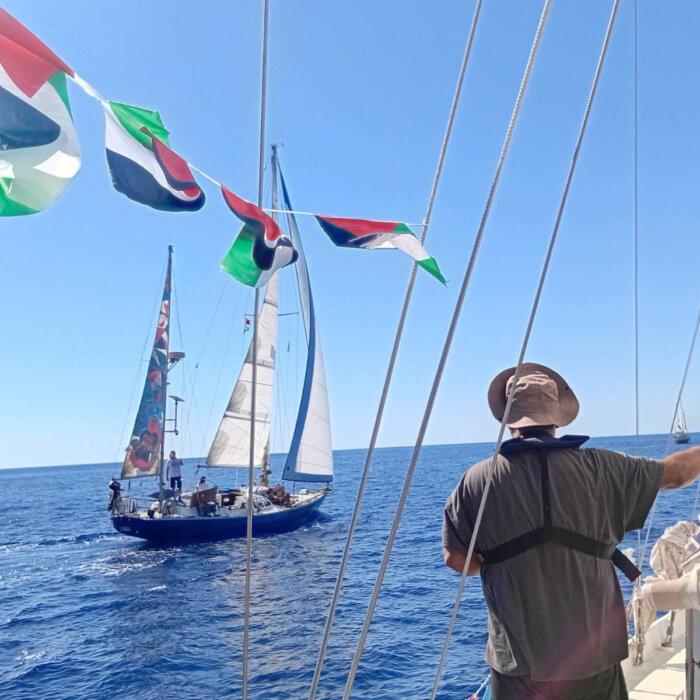
The Global Sumud Flotilla, about 50 vessels that set sail from Greece in September, includes activists from across Europe as well as Italian and other European lawmakers. Organizers say their goal is to “break the illegal siege on Gaza by sea, open a humanitarian corridor, and end the ongoing genocide of the Palestinian people.”
Israeli officials have repeatedly said they would not permit any attempt to breach the naval blockade or allow vessels to enter an active combat zone.
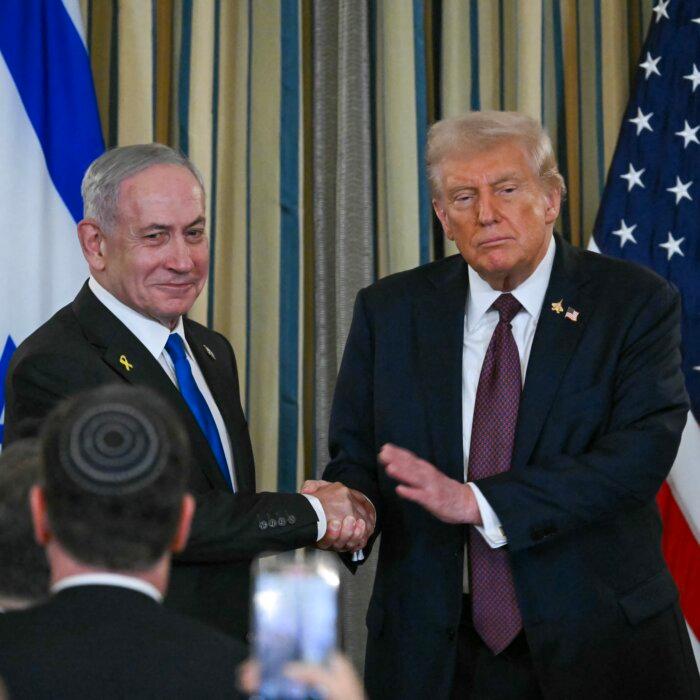
After U.S. President Donald Trump unveiled a 20-point peace plan on Sept. 29 to end the conflict in Gaza, Meloni said there was “a hope of agreement,” but that the situation remained fragile.
“The truth is simple: that aid can be delivered safely through the secure channels already in place. To insist on breaking a naval blockade means becoming—whether knowingly or not—instruments of those who want to blow up any chance of a ceasefire,” Meloni said in a follow-up post on Sept. 30. “So spare us the moral lessons on peace if your goal is escalation. And do not exploit the civilian population of Gaza if you do not truly care about their fate.”
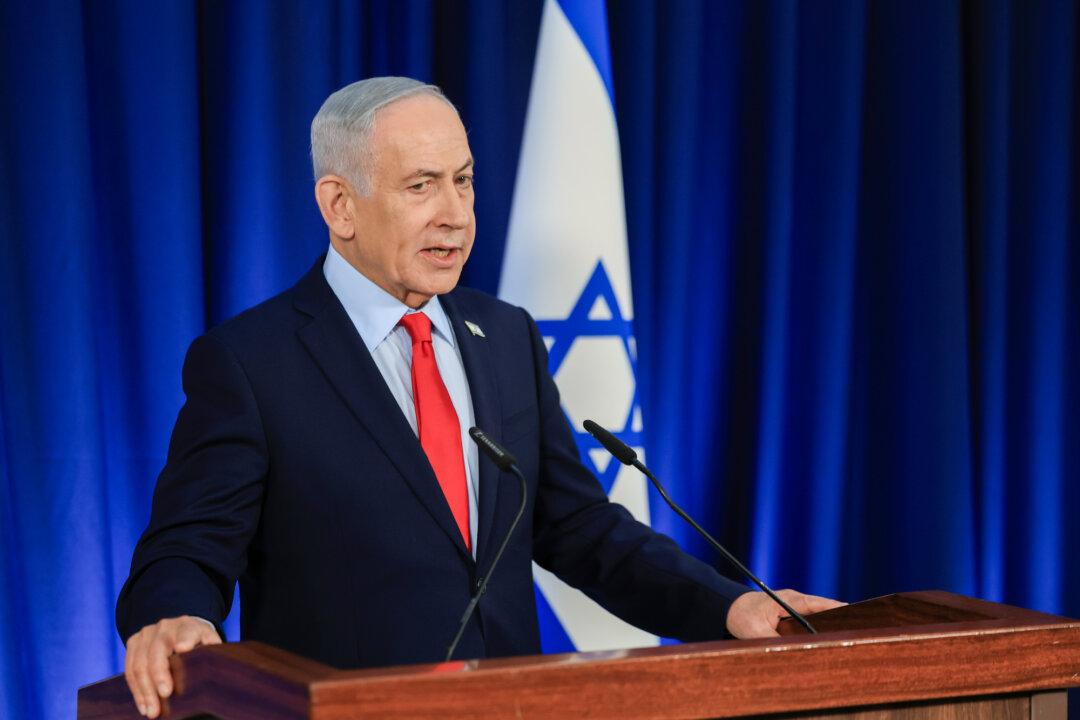
Israeli Foreign Minister Gideon Sa’ar welcomed Meloni’s stance. He described the flotilla as “orchestrating provocations” on Sept. 30 and reiterated that aid should be transferred via established channels such as a port in Cyprus or Ashkelon Marina in Israel.
Last week, he said that Israel was ready to facilitate aid deliveries “in a legal and peaceful way” and that the flotilla’s rejection of an Italian proposal to unload supplies in Cyprus showed its real aim was to provoke.
Flotilla Presses On
Flotilla organizers said on Oct. 1 that they had entered what they described as a “high-risk zone” near Gaza, an area in which previous aid flotillas have been intercepted or attacked by Israeli forces.
In a statement posted on Telegram, they reported increased drone activity over the convoy and said unidentified vessels had approached several of their boats before moving away.
“We continue to sail to Gaza approaching the 120 nautical mile mark,” the statement said.
The group also said the flotilla was “on high alert” as it moved closer to the waters near its destination.
Italy and Spain have deployed naval ships to accompany the flotilla to help with any rescue or humanitarian needs, but have said they will not engage militarily. Italy’s defense ministry said its naval presence would end once the flotilla came within 150 nautical miles (about 173 miles) of Gaza.
Israel has accused the flotilla of operating under the guise of humanitarian work while serving the terrorist group Hamas and other armed groups.
In response, the Global Sumud Flotilla told The Epoch Times that it would not comment on what it described as Israeli government tactics aimed at distracting from alleged war crimes.
Fragile Diplomacy
Meloni’s appeal came amid renewed diplomatic efforts to calm the conflict. The Italian leader has positioned herself as a supporter of the U.S.-led initiative to bring an immediate end to the war.
She said that Trump’s 20-point peace plan, backed by Israel and welcomed widely by world leaders, “could represent a turning point in this process, allowing for a permanent cessation of hostilities.”
Trump’s plan calls on Hamas to surrender and disarm in return for an end to hostilities. The group said it is studying the proposal.
Trump said on Sept. 30 that Hamas had “about three or four days” to respond.
Israel launched its campaign in the Gaza Strip after the Hamas-led assault on Oct. 7, 2023, in which about 1,200 people were killed and more than 250 taken hostage.
According to the Hamas-run Gaza Health Ministry, more than 65,000 people have been killed in Gaza since then. That number does not distinguish between combatants and civilians, and includes some deaths from natural causes.
Evgenia Filimianova is a UK-based journalist covering a wide range of international stories, with a particular interest in foreign policy, economy, and UK politics.