Israel said on Jan. 30 it would reopen the Rafah crossing between the Gaza Strip and Egypt for limited pedestrian traffic, under a U.S.-brokered Gaza cease-fire agreement and subject to Israeli security screening.
COGAT said the crossing, which has been closed since May 7, 2024, amid the war between Israel and the Hamas terrorist group, will be open for “limited movement of people only.”
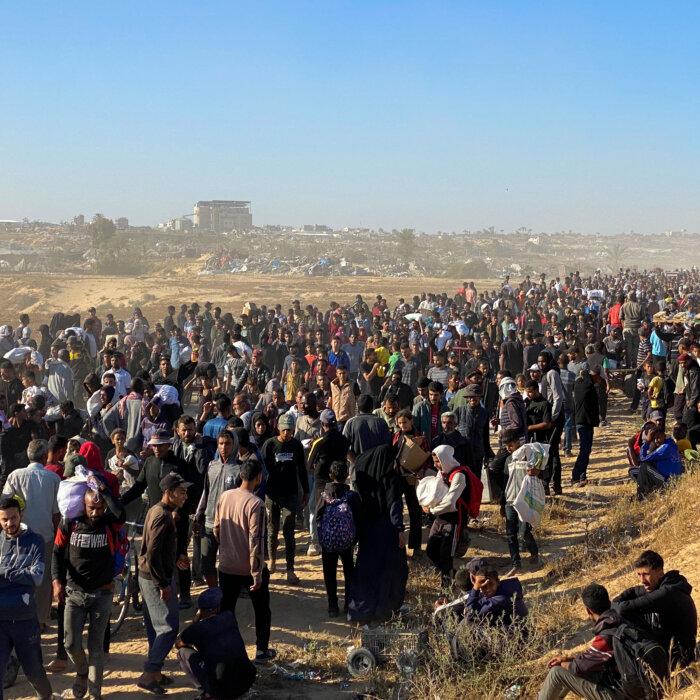
Entry into and exit from Gaza via Rafah will be allowed in coordination with Egypt, after individuals receive security clearance from Israel and under the oversight of the European Union mission, similar to the process used in January 2025.
The return of residents from Egypt to Gaza would be allowed “for residents who left Gaza during the course of the war only, and only after prior security clearance by Israel,” COGAT said.
The screening would not end at the border terminal itself.
“An additional screening and identification process will be conducted at a designated corridor, operated by the defense establishment in an area under” IDF control, according to COGAT.
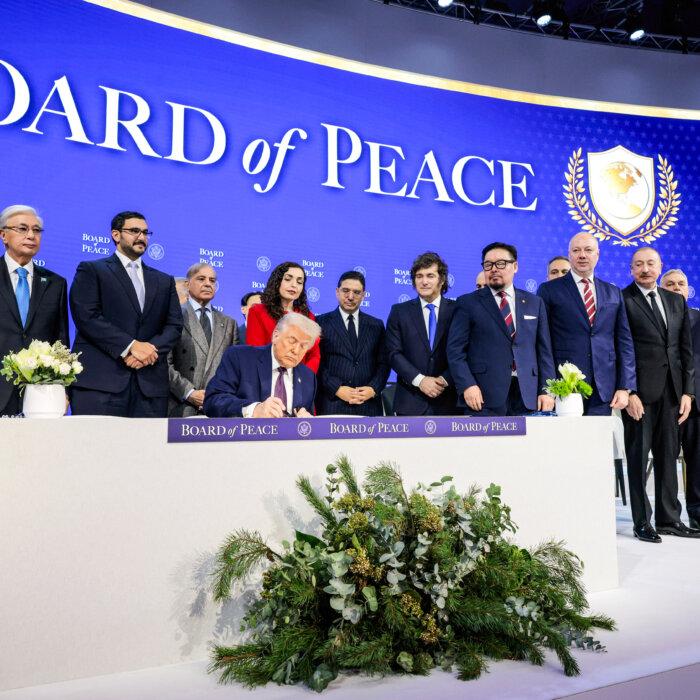
Shaath, who is part of U.S. President Donald Trump’s Board of Peace, said the reopening of Rafah would signal that the region was “no longer closed to the future and to the war.”
The Israeli military said on Jan. 26 that it had identified the remains of the last Israeli hostage held in Gaza. It described the identification as marking the end of the recovery process for all captives taken during the Oct. 7, 2023, attack.
With the return of Master-Sgt. Ran Gvili’s remains to Israel, the first phase of the U.S.-brokered October 2025 cease-fire is expected to formally conclude. The second phase includes the demilitarization of Hamas and the establishment of a technocratic governance model in the Gaza Strip.
The International Committee of the Red Cross (ICRC) has urged the international community to “harness the momentum generated by the first phase” of the peace plan and “urgently improve the dire humanitarian conditions in Gaza.”