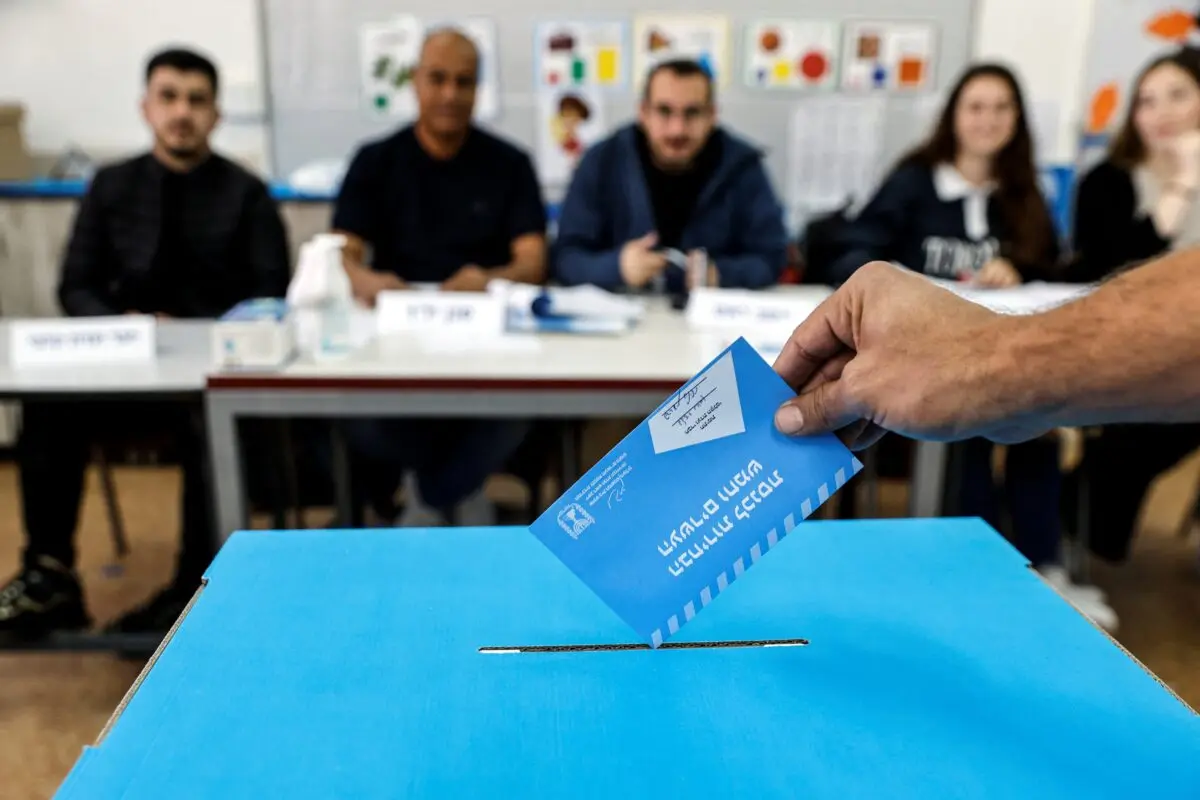
Israel’s governing coalition said on July 12 that the next parliamentary election will be held on Oct. 27, the latest date permitted under Israeli law, allowing Prime Minister Benjamin Netanyahu’s government to complete a full four-year term.
Coalition chairman Ofir Katz told a parliamentary committee that the original date set by law would remain in place.
The decision marks a rare moment of political stability in a country that held five elections between 2019 and 2022.
The election date was anticipated years earlier. In April 2023, the chairman of Israel’s Central Elections Committee said that if the government completed its term, voting should take place on the 16th of Heshvan 5787, corresponding to Oct. 27, 2026.
Netanyahu, Israel’s longest-serving prime minister, first served from 1996 to 1999 before holding four consecutive terms from 2009 to 2021.
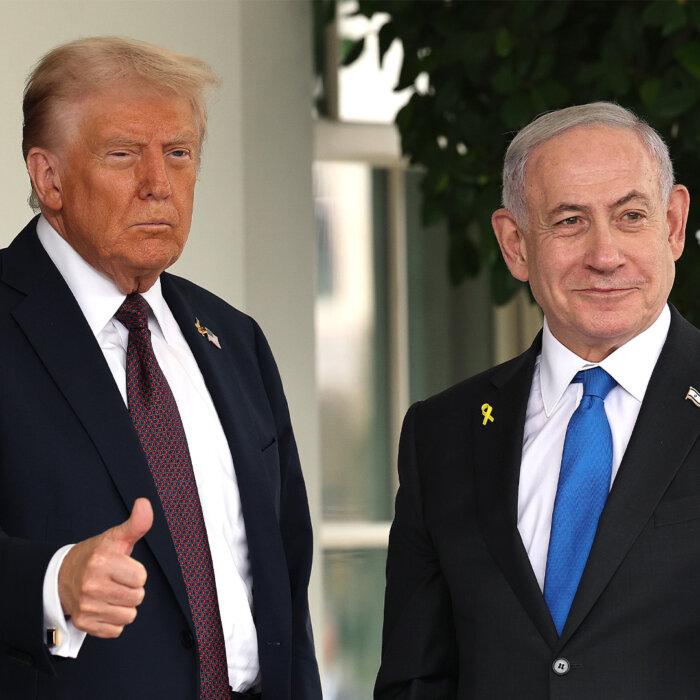
He returned for a sixth term on Dec. 29, 2022, after Likud and its right-wing allies won a parliamentary majority in the November 2022 election.
Since then, the coalition has changed as several parties entered or left the government, including the departures of United Torah Judaism and Shas from the cabinet in 2025. Despite those changes, Netanyahu has remained in power.
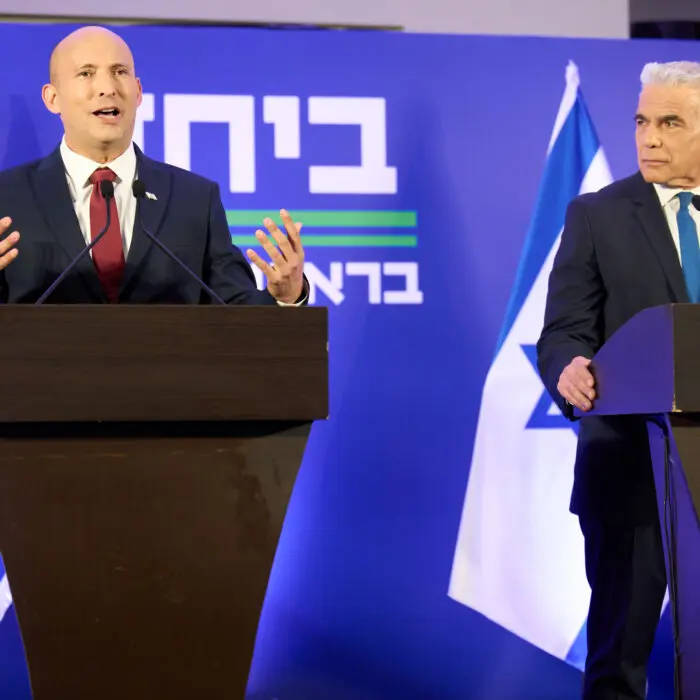
Bennett said the party would seek “a great victory” in the election, while Lapid described the merger as an effort to unite the political center and liberal right.
Bennett said the alliance represented “a big step toward fixing the state” and pledged that a government led by him would establish a state commission of inquiry into the Oct. 7, 2023, Hamas-led terror attack on Israel on its first day in office.
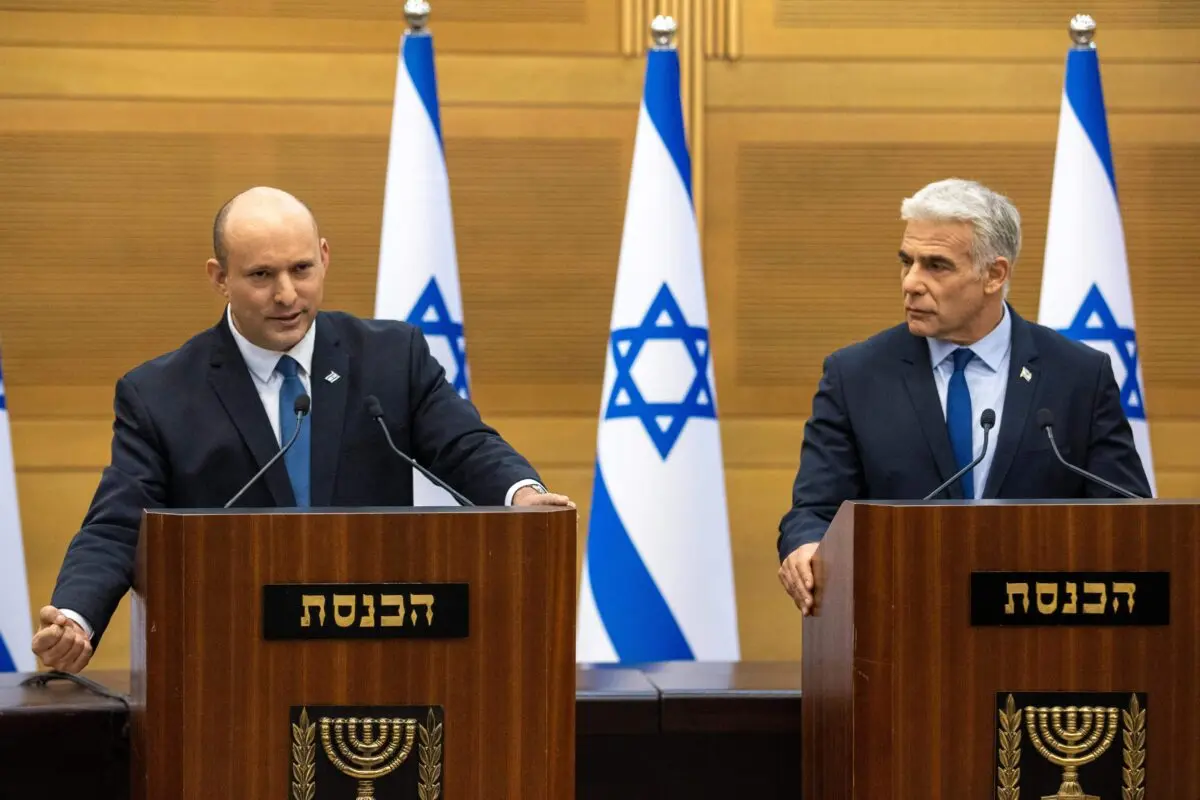
Netanyahu responded on Telegram by posting a 2021 photograph of Bennett, Lapid, and United Arab List leader Mansour Abbas, writing, “they’ll do it again,” in an apparent appeal to right-wing voters.
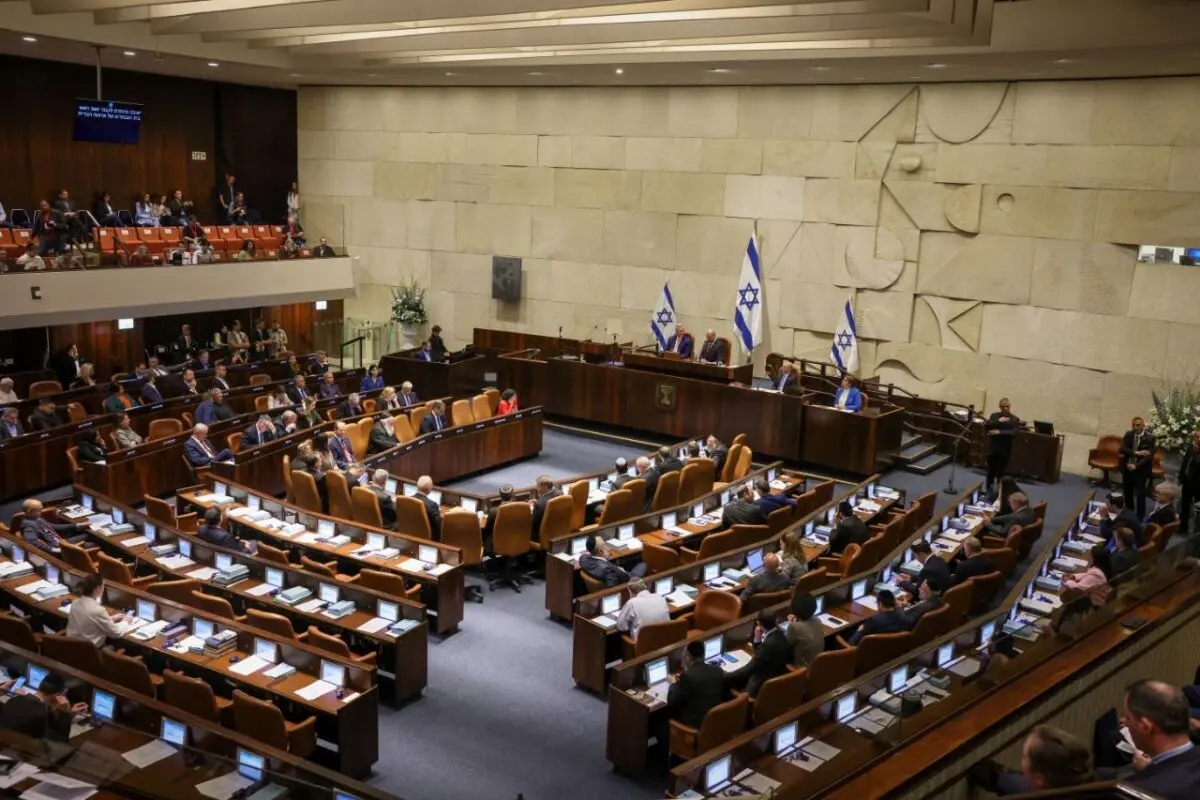
Recent opinion polls have suggested Netanyahu’s bloc could lose seats but may still remain the largest political force. Surveys have also indicated that the opposition could become more competitive, although no bloc has consistently demonstrated a clear path to securing the 61-seat majority needed to govern.
A Channel 12 News poll, conducted by Mano Geva in cooperation with the Midgam Institute and iPanel, has found that Likud and Gadi Eisenkot’s Yashar party were tied on 23 seats each. The poll projected 58 seats for the Zionist opposition and 52 for Netanyahu’s coalition, leaving neither bloc with the 61 seats needed to form a government.
The poll found that 21 percent of coalition voters were considering backing a party outside the governing coalition, citing the government’s planned legislative agenda during the final days of the Knesset session.
Among coalition voters, 51 percent said they planned to vote for the party that best reflected their political views, while 47 percent said they intended to support their preferred party because they saw no better alternative.
The survey also found that 87 percent of coalition voters opposed a government that relied on or included an Arab party, compared with 12 percent who said they were not concerned by such an arrangement.
Netanyahu continues to deny corruption allegations stemming from three criminal cases. Prosecutors allege that he exchanged regulatory favors for favorable media coverage and accepted expensive gifts from wealthy businessmen.
Netanyahu has rejected the accusations, arguing that they are politically motivated.