Israeli Defense Minister Israel Katz said on April 23 that Israel is prepared to launch large-scale military operations against Iran that he described as “different and deadlier” than prior attacks, including potential strikes on critical energy and economic infrastructure, but is awaiting a “green light” from the United States.
Katz, speaking after a high-level security assessment with Israel Defense Forces (IDF) leadership, said Israeli forces were fully prepared for both offensive and defensive operations and had already identified targets across Iran.
“Israel is prepared to resume the war against Iran. The IDF is ready on both defense and offense, and the targets have been marked,” Katz said. “We are waiting for a green light from the U.S.”
He said the objectives of the potential military operation would include dismantling Iran’s leadership and crippling the country’s critical infrastructure.
“First and foremost, in order to complete the elimination of the Khamenei dynasty ... and in addition to send Iran back to the dark and stone age by blowing up its main energy and power facilities and crushing its national economic infrastructure,” Katz said, signaling a possible escalation beyond previous strikes focused on military and nuclear sites.
“This time, the attack will be different and deadlier, and will add devastating blows in the places that hurt most.”

Pressure Campaign Expands
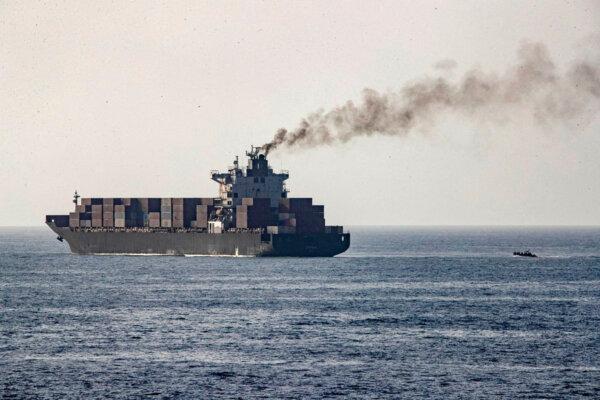
Katz’s comments come as the United States intensifies a global maritime enforcement campaign targeting Iran’s oil exports and supply networks, while maintaining a naval blockade of Iranian-linked shipping.U.S. Central Command said in an April 23 post on X that forces have now directed at least 33 vessels to turn around or return to port as part of the blockade, which targets ships suspected of transporting oil or goods that could support Iran’s military capabilities.
For the first time in decades, three U.S. aircraft carriers are now operating in the Middle East simultaneously, bringing a force of more than 200 aircraft and 15,000 sailors and Marines into the region as tensions escalate despite a fragile ceasefire, Central Command said in an April 24 post on X.
Iran’s blockade of the strait has led to a sharp rise in oil prices, with Brent crude trading above $100 per barrel after rising 17 percent this week, on track for its biggest weekly gain since the early phase of the war in March.
The escalation at sea has unfolded alongside a breakdown in U.S.-backed diplomatic efforts. Trump recently extended a ceasefire with Tehran to allow negotiations more time, but no new talks have been scheduled, and both sides have hardened their positions.
Iran Signals Defiance
Iranian officials have responded with increasingly forceful rhetoric and demonstrations of military capability, particularly in and around the Strait of Hormuz.Judiciary Chief Gholam-Hossein Mohseni-Eje'i said on April 23 that Iran’s Islamic Revolutionary Guard Corps (IRGC) was prepared to attack U.S. naval forces using swarm tactics involving fast boats and unmanned underwater vehicles.
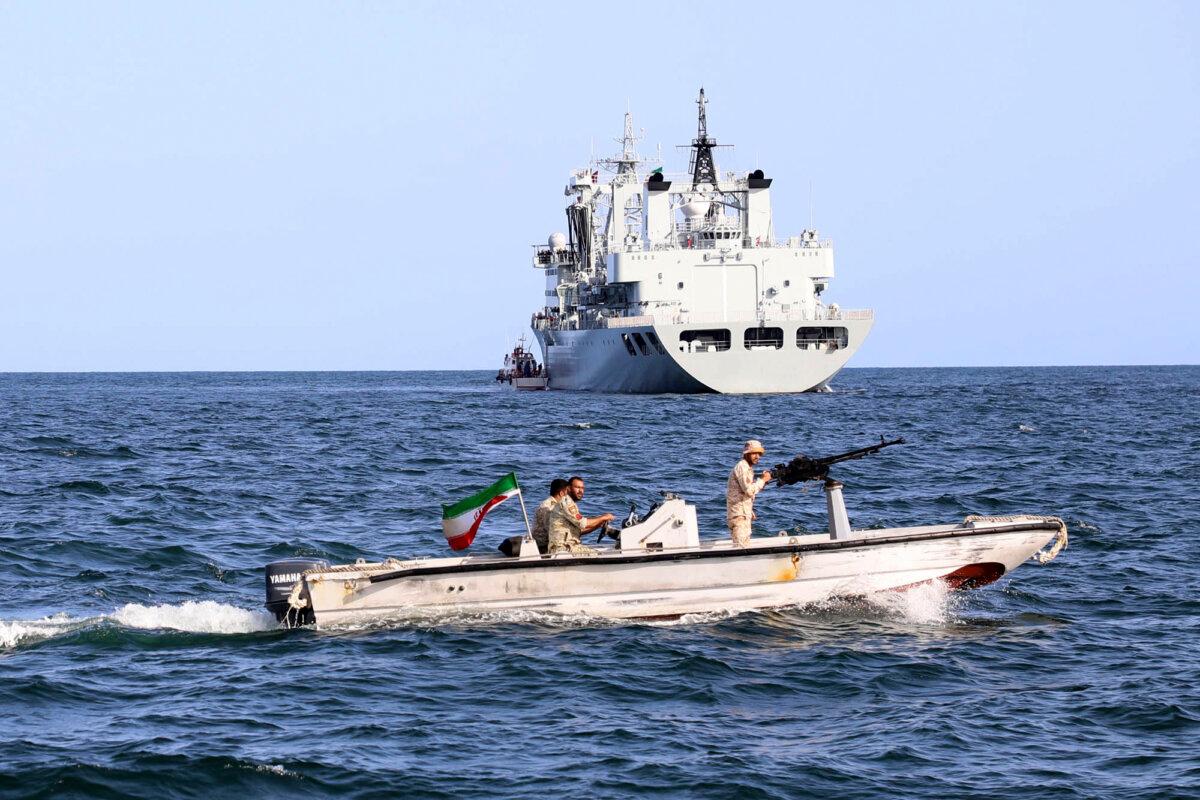
“The IRGC’s swarm fleet ... is waiting from inside the sea caves of Farur Island for intruding American warships to overwhelm their defenses and inflict severe consequences,” he said, according to Iranian state-run media outlet Press TV.
Iran has also tightened control over maritime traffic, seizing vessels and, according to the deputy speaker of the Iranian Parliament, Hamidreza Hajibabaei, imposing transit fees on ships passing through the strait. Hajibabaei was cited by Iranian state-affiliated outlet Tasnim as saying that the first revenues from the tolls have already been deposited with Iran’s central bank.
Officials in Iran have described these actions as lawful enforcement and a response to what they describe as U.S. and Israeli aggression, including the ongoing naval blockade.