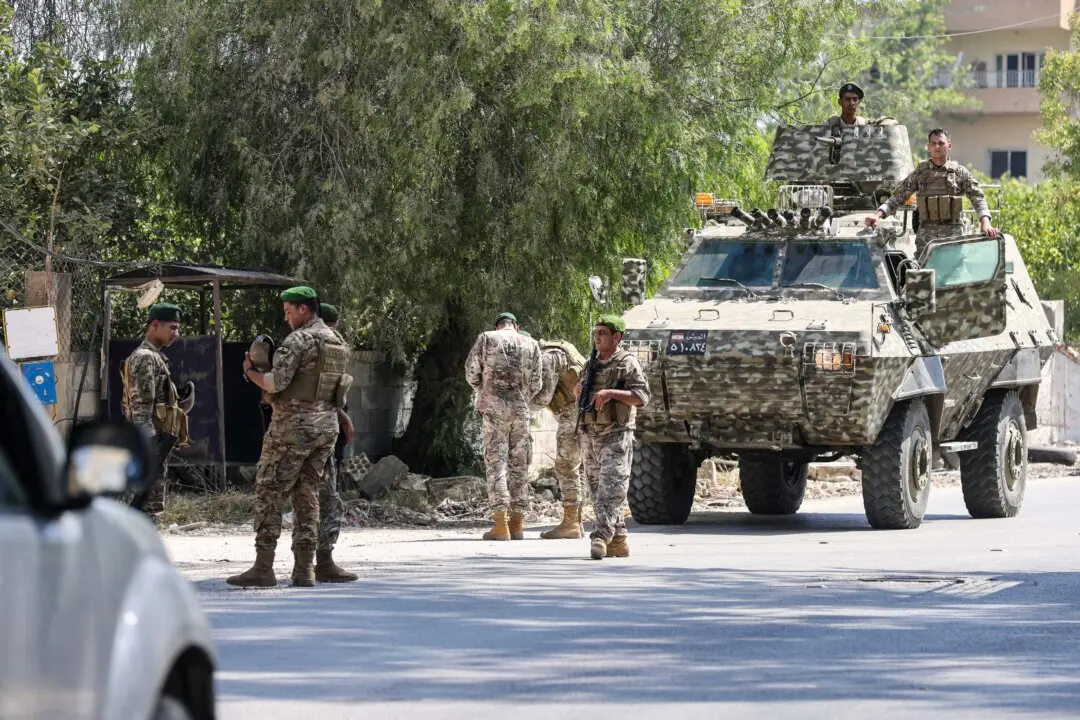
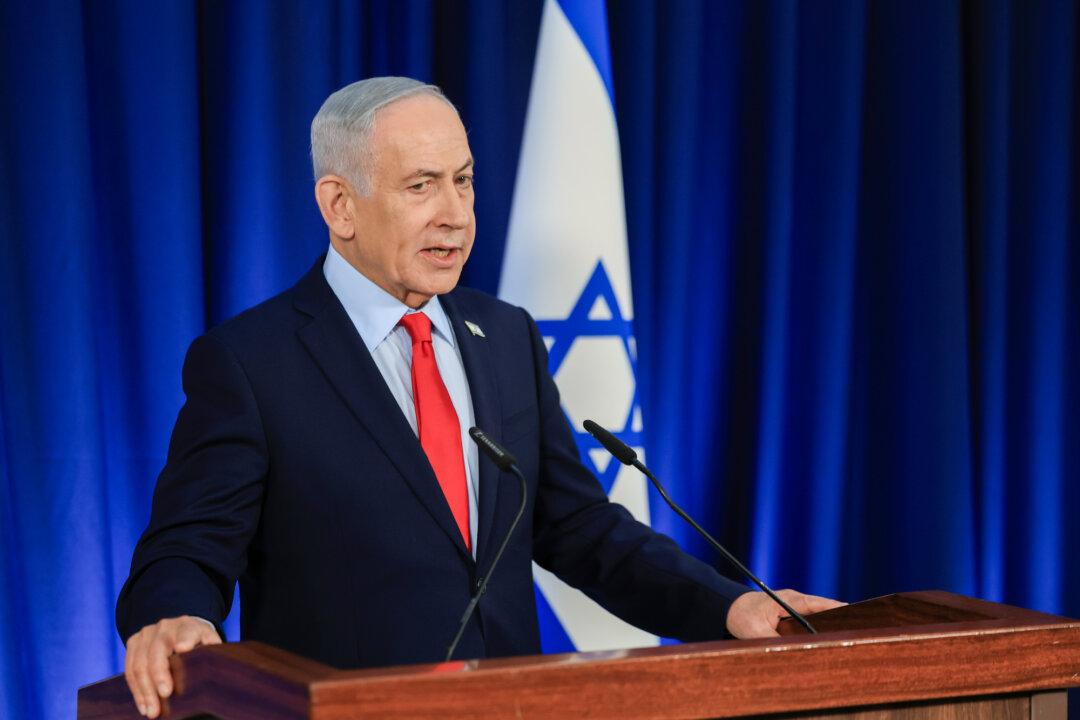
Israel carried out airstrikes on multiple targets in Lebanon on Jan. 5 that it said were linked to terrorist groups Hezbollah and Hamas, the Israeli military has said.
The IDF also said it hit Hamas weapons production sites in southern Lebanon that it described as critical to the group’s military buildup and ability to carry out attacks against Israel.
Israel has continued to hold positions in southern Lebanon and has conducted airstrikes that it says are aimed at preventing Hezbollah from rearming and planning new operations.
The Jan. 5 strikes, according to the IDF, targeted sites that were embedded in civilian areas. The IDF said the terrorist groups used “Lebanese civilians as human shields for terrorist activity,” adding that it took steps before the strikes to reduce harm to civilians, including issuing advance warnings to residents.
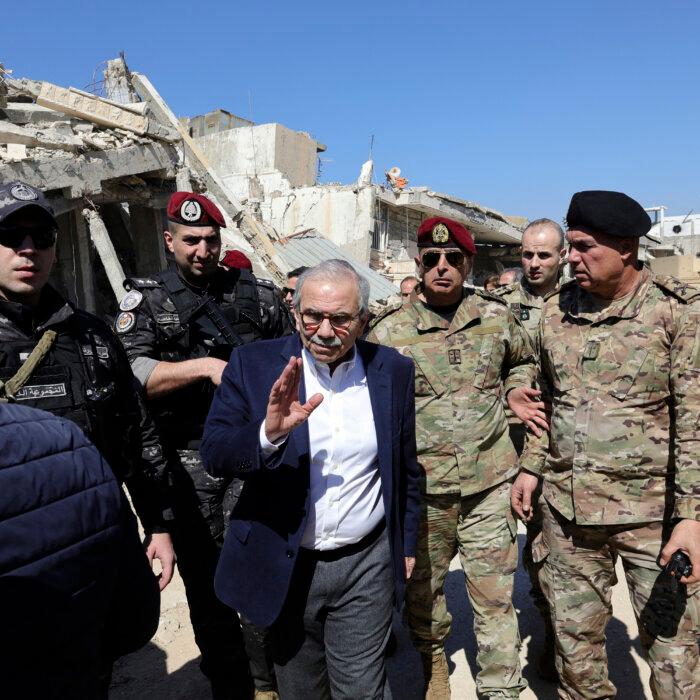
The IDF reiterated that it would continue operations it deemed necessary to protect Israel.
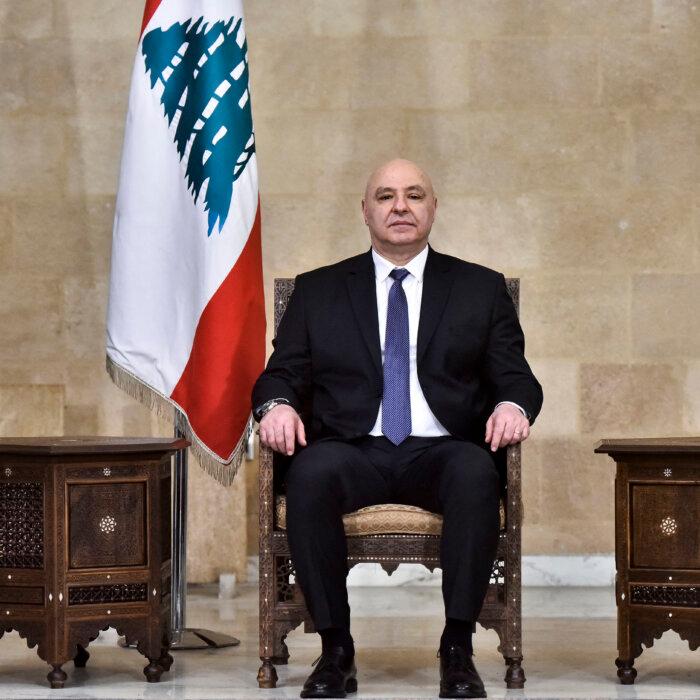
Lebanese President Joseph Aoun condemned the strikes, saying they had hit towns in the Bekaa Valley and southern Lebanon, reaching as far north as Sidon.
Cease-Fire Efforts
The latest strikes come a month after Lebanese, Israeli, and U.S. representatives met on Dec. 3 in the Lebanese southern coastal town of Naqoura.In a statement on Dec. 3, he said the meeting showed “a sincere willingness to pursue peaceful, responsible solutions grounded in good faith.” Issa reaffirmed that the United States “stood ready to engage” in further efforts to ease the burdens faced by affected populations.
Lacroix is expected to travel on Jan. 6 to Naqoura to meet with United Nations Interim Force in Lebanon (UNIFIL) leadership and peacekeepers and to visit several positions along the Blue Line, the U.N.-demarcated boundary between Israel and Lebanon.
UNIFIL, the U.N. peacekeeping force deployed in southern Lebanon since 1978, has long worked with the Lebanese army to monitor the border and help enforce Security Council Resolution 1701, which prohibits armed groups from operating near Israel.
On Jan. 7, Lacroix is scheduled to return to Beirut for talks with Lebanese officials, including Aoun, senior ministers, and Lebanese Armed Forces commander General Rodolphe Haykal, to discuss the implementation of U.N. Security Council Resolution 1701.
“The terrorists took part in attempts to reestablish Hezbollah’s terror infrastructure in the area,” the military said, adding that their actions represented “a blatant violation of the ceasefire understandings between Israel and Lebanon.”