Israel and Syria agreed to establish a joint security and communication mechanism following a U.S.-brokered trilateral meeting in Paris on Jan. 6, according to a joint statement by the three governments.
Both sides agreed to establish a “joint fusion mechanism,” described as a dedicated communication cell to enable immediate and ongoing coordination.
The mechanism will facilitate intelligence sharing, military de-escalation, diplomatic engagement, and commercial opportunities, and it will operate under U.S. supervision, the statement said.
It is intended to serve as a platform to address disputes promptly and prevent misunderstandings between the two sides.
“This joint statement reflects the spirit of today’s great meeting and the Sides’ determination to turn a new page in their relations for the benefit of future generations,” the document said.
The United States welcomed the agreement, saying it remained committed to supporting implementation as part of broader efforts to achieve peace in the Middle East.
Trump Presses for Dialogue
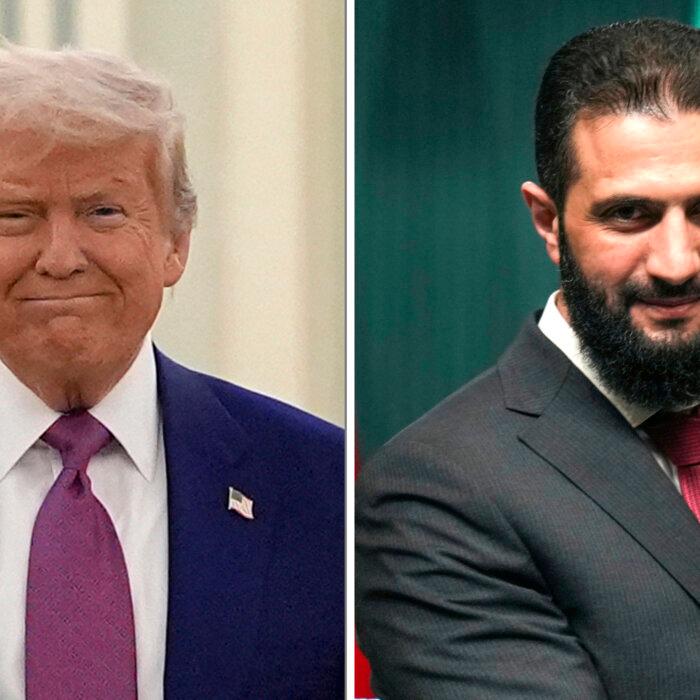
The Paris talks followed public intervention by Trump after a recent Israeli military operation near the Syrian border heightened tensions and drew condemnation from Damascus.On Dec. 1, Trump said he was “very satisfied” with the progress of Syria’s interim government and implied that further military action could undermine the country’s political transition, following the collapse of Bashar al-Assad’s regime in 2024.
Israeli Remarks
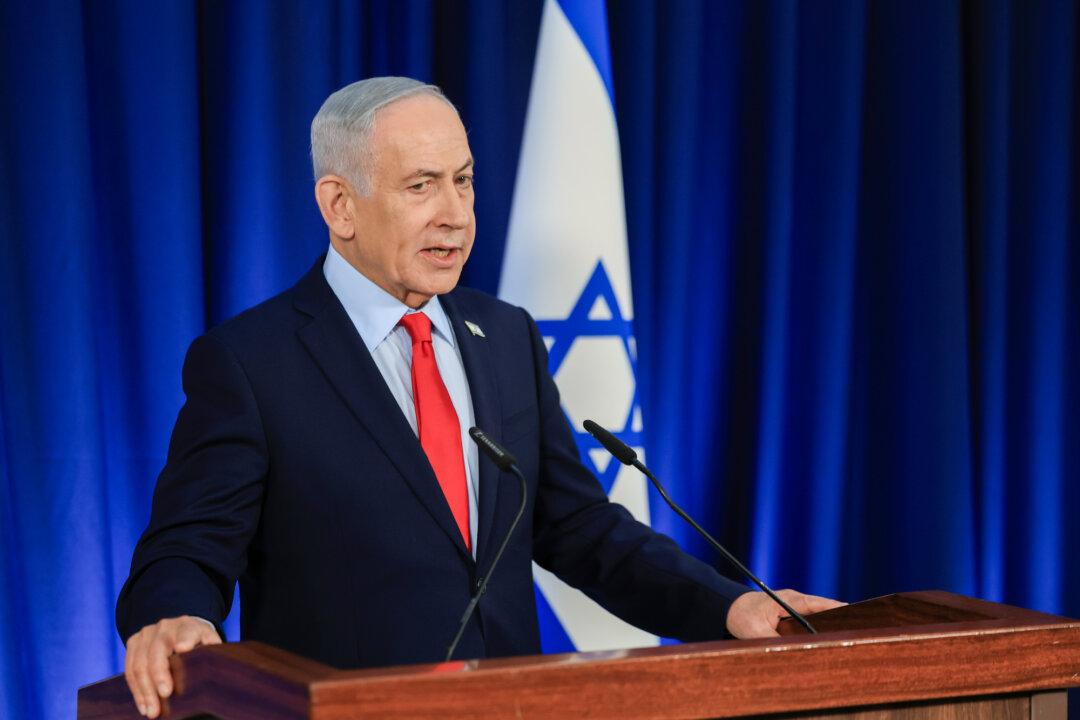
Israeli Prime Minister Benjamin Netanyahu’s office said on Jan. 6 that the Paris talks were part of Trump’s vision for promoting peace in the Middle East.It emphasized during the discussions the importance of ensuring the security of its citizens and preventing threats along its borders. Netanyahu’s office also stressed the need to advance economic cooperation for the benefit of both Israel and Syria.
The statement added that the dialogue would continue in order to advance common goals and to ensure the safety of Syria’s Druze minority.
Israeli forces have maintained a presence in parts of southern Syria since the fall of al-Assad’s government, citing security concerns and the need to protect Druze communities.
Border Tensions
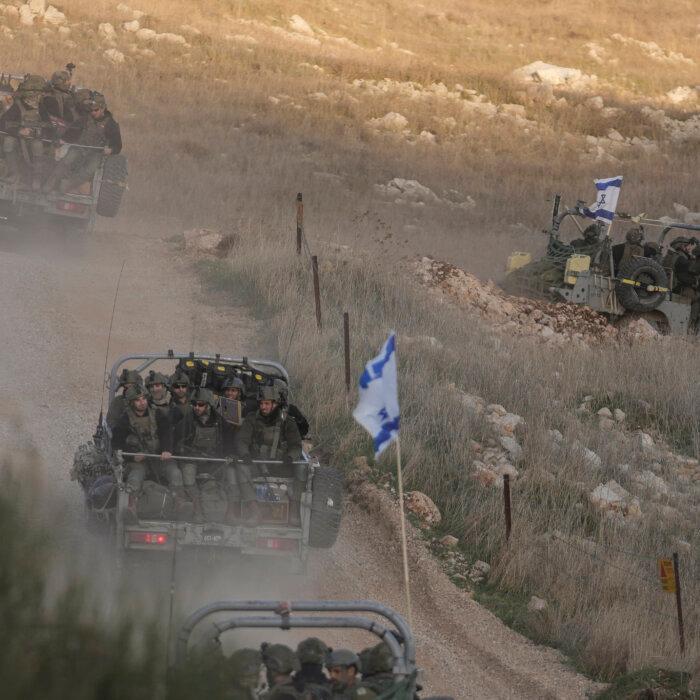
Tensions flared on Nov. 28, when six Israeli soldiers were wounded during an Israeli military operation near the Syrian village of Beit Jinn, about four miles east of the buffer zone along the Golan Heights.The Israel Defense Forces (IDF) said the goal of the mission was to apprehend suspects linked to the Islamist group Jamaa Islamiya.
According to the IDF, several armed fighters opened fire on Israeli troops, prompting return fire and close-air support from helicopters, drones, and fighter jets. The military said all suspects were taken into custody and that several terrorists were “eliminated.”
Syrian state media outlets reported that at least 13 people were killed in what Damascus described as a “full-fledged war crime.”
Syria’s Foreign Ministry accused Israel of committing a “grave aggression” that threatened regional security and stability, according to the state-owned SANA news agency.