The European Union’s plan to outlaw the sale of new gas and diesel cars by 2035 is facing increasing political and industry pushback, with senior figures now openly questioning and casting doubt on the measures.
‘Germans Are the Key Players’
BMW CEO Oliver Zipse said in an interview with Politico, published on Sept. 5, that the EU’s 2035 combustion engine ban is a “huge mistake.”“I think we’re doing ourselves a disservice by choosing an almost arbitrary point in the future where we say all industries have to align themselves with it by then,” he said.

Kaellenius said that instead of setting an end date for new combustion cars, sales of electric vehicles could be boosted with tax incentives and lower electricity prices.
Richard Schenk, political analyst at the conservative think tank MCC Brussels, told The Epoch Times that Germany is the key player in any potential shift and that the country is building pressure on European Commission President Ursula von der Leyen to act.
“Specifically, the Germans are the key players, because if they change their mind, then the entire majorities within the EU are changing,” Schenk said. “The Polish and the Italians are on board anyway, the French are currently still making up their minds, but if the Germans change their minds, most likely they would follow in this case.”
He noted that because the ban is enshrined in EU regulation, the European Commission must act first.
“Ursula von der Leyen is the key player here,” he said.
EU Pressure
According to Schenk, von der Leyen is under pressure from within her own EU political family, the European People’s Party Group (EPP), which is the EU Parliament’s largest bloc. He said the affair has dominated German politics in recent weeks.“Climate change is a problem. We have to solve it, but this was imposing ideological thinking,” Weber said. “That is what people don’t support. And I never supported it.”
That divide also runs through the auto industry itself, Schenk said.
“So it’s a civil war within the car industry itself,” he said.
‘Tremendous Amount of Investment’
Laura Bowler, senior sustainability manager at engineering and consultancy company Ramboll, who spent most of the first decade of her career working at Ford Motor Co., told The Epoch Times that although the 2035 deadline may be pushed back, a full reversal remains unlikely.“There’s been a tremendous amount of investment in EVs already. I‘d be shocked if they turned around and just said, ’You don’t have to do it anymore,'” Bowler said.
“That being said, there’s been a general trend over the last year in all things sustainability, a bit of delay and softening of everything.”
She said that she was skeptical of the outcome of the transition if there was “no regulatory support.”
“And by regulatory support, I don’t just mean this shift away from CO2-producing cars by 2035, but I do really mean regulations that are helping to prop up the automotive industry in Europe to compete with China,” Bowler said.
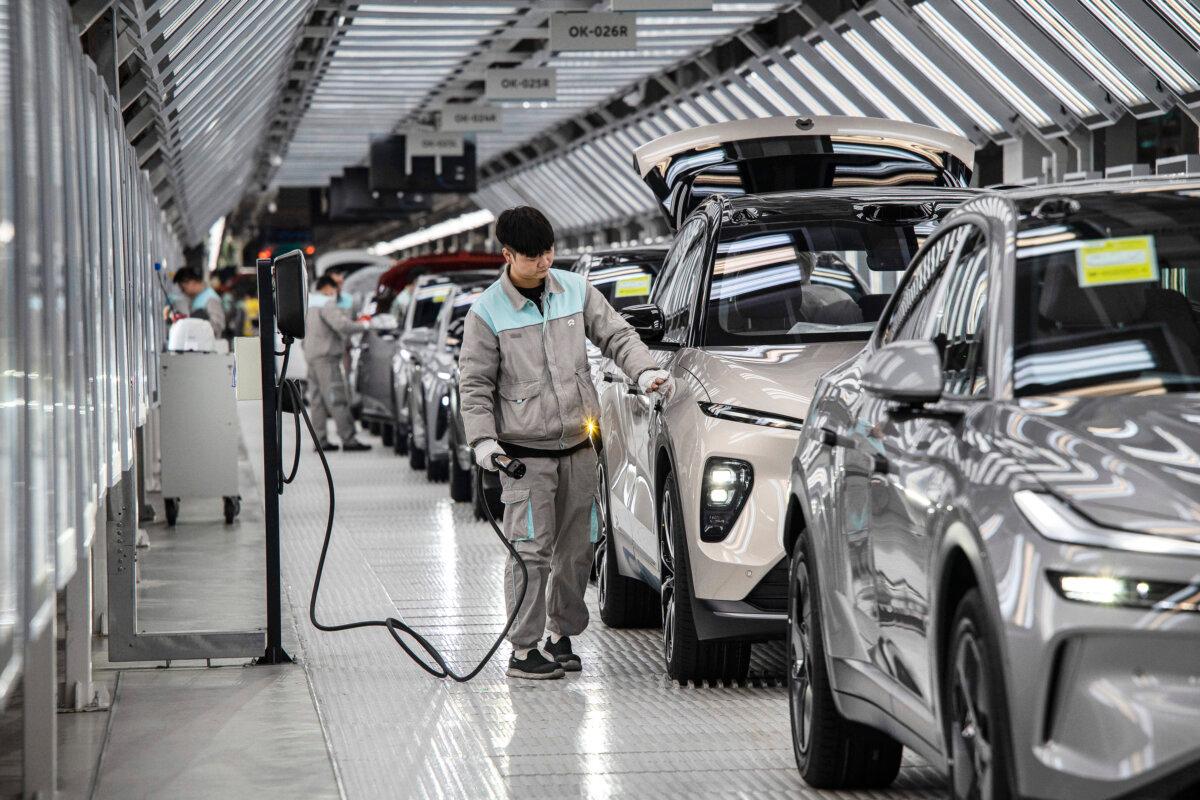
A European Commission spokeswoman told The Epoch Times by email that the “EU is staying the course.”
“Stakeholders have suggested a variety of refinements, such as a limited role for certain carbon-neutral fuels or a continued role for some plug-in hybrid vehicles and range extenders,” the commission spokeswoman said.
“The commission will carefully assess all input received, as we prepare the impact assessment for the review of the CO2 standards for cars and vans legislation. In this, the Commission is firmly committed to the principle of technology neutrality.”
‘Canary in the Coal Mine’
Automotive voices beyond Brussels said the policy is backfiring.Geoff Thompson, a UK car expert who runs the popular YouTube channel “Geoff Buys Cars,” told The Epoch Times that he thinks that the transition to electric cars hasn’t gone “as smoothly as perhaps the manufacturers would have hoped.”
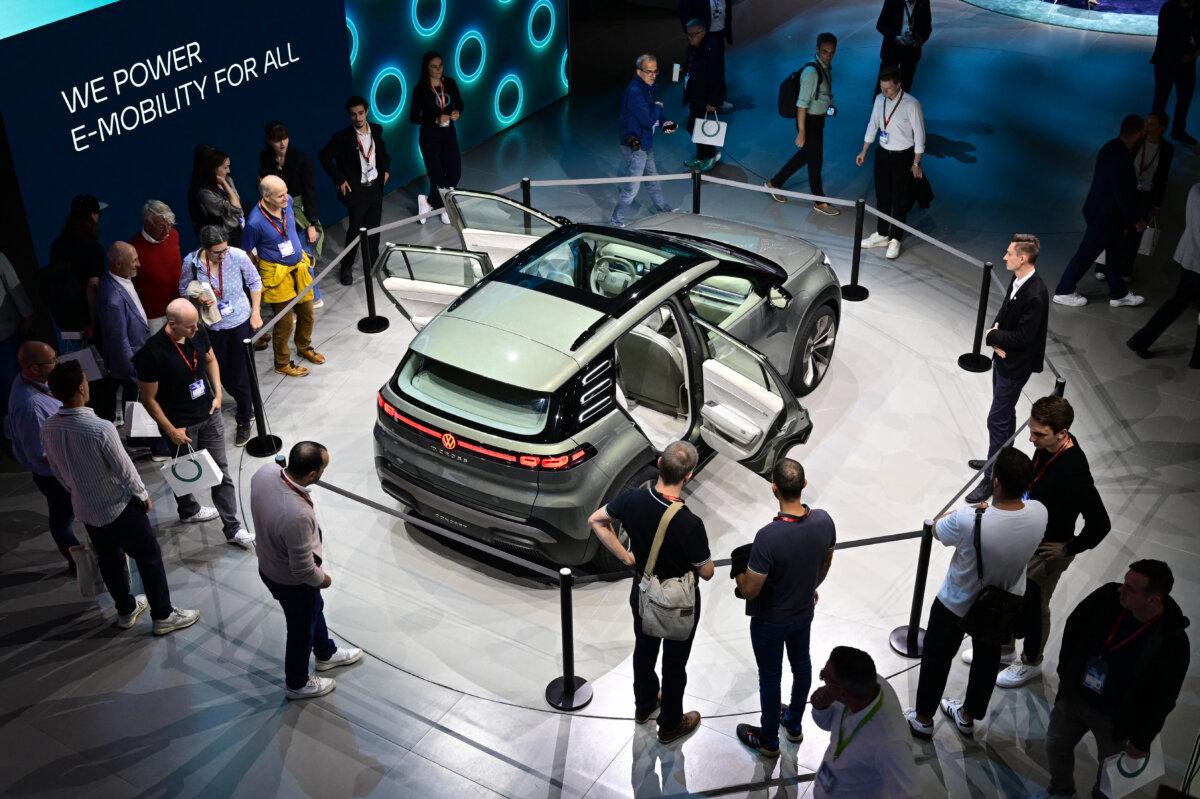
“And now they’re massively backpedaling, because these EVs are not selling at the rate that they need in order for them to maintain their profitability,” Thompson said. “How can they still be pushing ahead with that direction when it clearly isn’t making financial sense?”
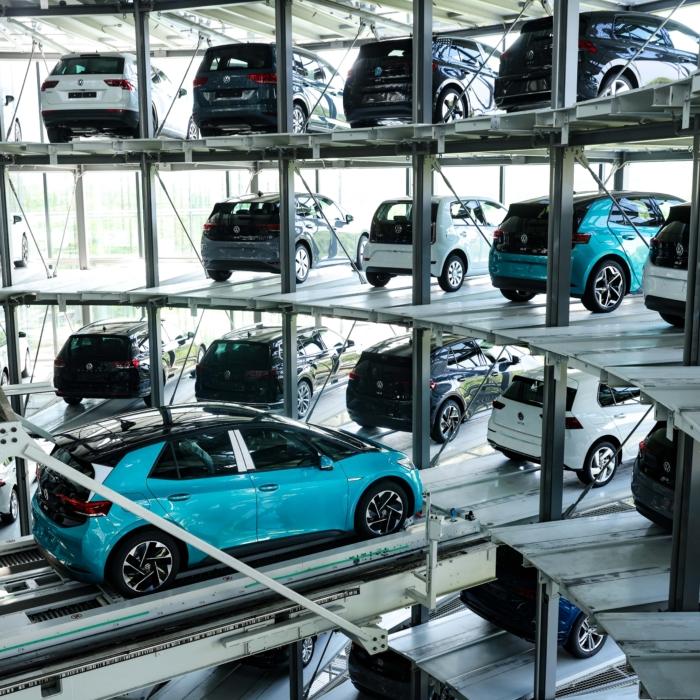
He said Volkswagen Group in Germany—which includes brands such as Volkswagen, Audi, Skoda, SEAT, and Bentley—is carrying most of Europe, calling it the “economic powerhouse of the automotive industry.”
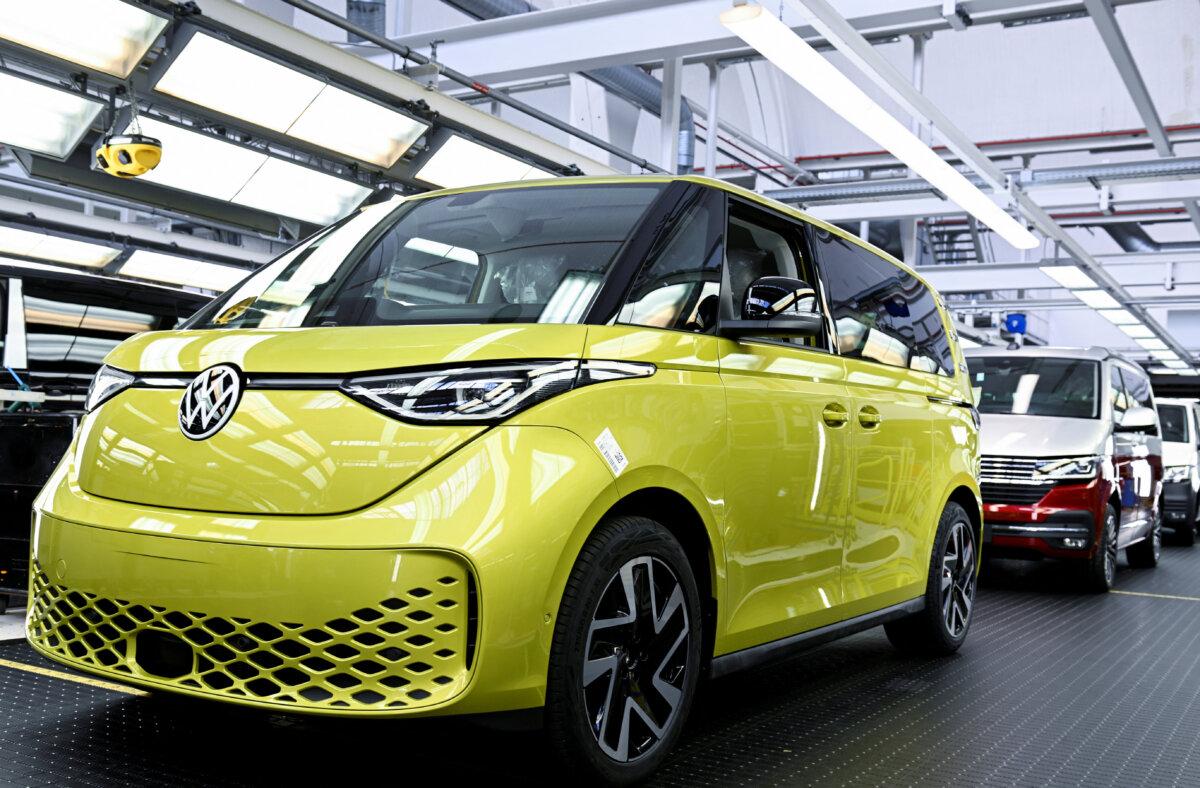
Last year, the group, which is Germany’s largest industrial employer and Europe’s top carmaker by revenue, stated that it was targeting $11 billion in savings.
Reliable Used Diesel Cars
Dan O’Hare, manager at Cox Motor Parts, a supplier of Honda, SEAT, and Volkswagen parts and accessories worldwide, told The Epoch Times by email that the uncertainty creates opportunities for parts suppliers for ICE cars.“If the ban is softened or overturned, traditional parts will be in demand after 2035,” he said. “But even if the ban stays put, there will still be a demand for aftermarket parts well into the 2040s, as used cars aren’t affected and can still be sold. Millions of existing [gas] and diesel cars will need servicing regardless of what happens to new car sales.”
“At the moment, replacement batteries for 10+ year old EVs are very expensive,” he said. “While future EVs will likely improve and battery costs may fall, right now, decade-old EV owners are facing battery bills worth more than the car. For budget buyers, this makes reliable used diesel cars more attractive.”