Iranian President Masoud Pezeshkian on Monday asserted that $6 billion in frozen regime assets held in Qatar will be released under a memorandum of understanding signed by Tehran and the United States earlier this month.
“Based on the plans made, $6 billion out of a total of $12 billion of Iran’s funds in Qatar will be released and returned to the country,” Pezeshkian said in comments carried by state-run PressTV, while he added that “necessary follow-ups are being carried out” to retrieve the funds.
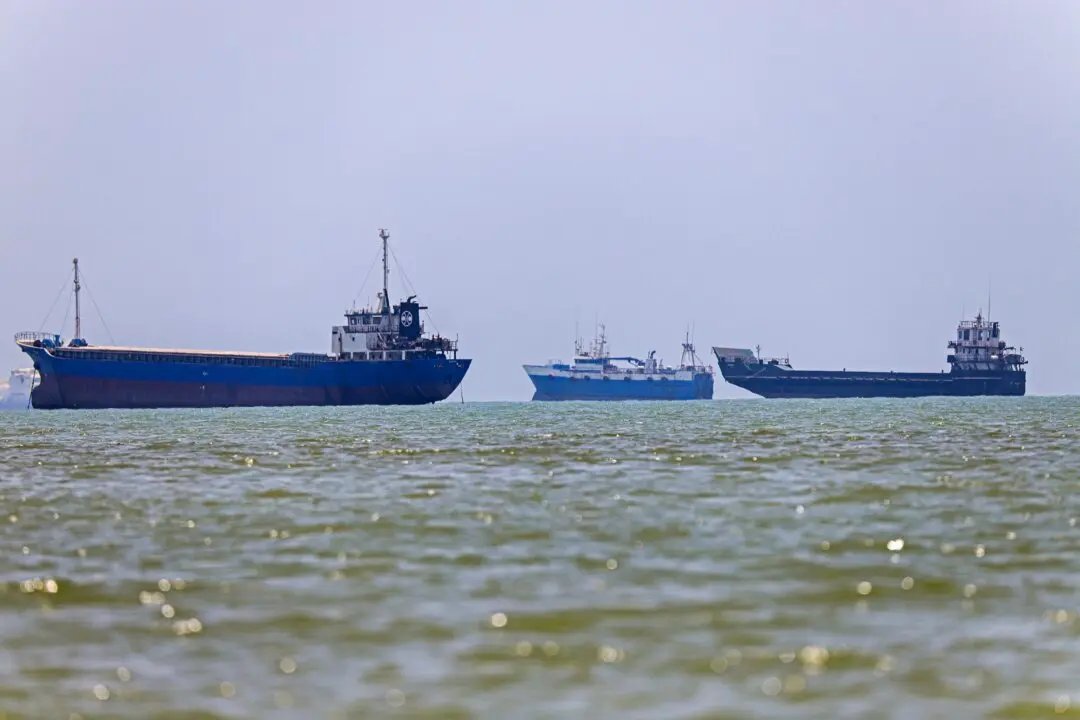
The comments from Pezeshkian come after the United States and Iran launched strikes over the past weekend before both parties agreed to halt attacks and resume talks, according to a U.S. official. On Sunday, White House and Iranian officials made dueling claims over control of the Strait of Hormuz, a key waterway through which about a fifth of the world’s oil travels on a normal day.
Meanwhile, U.S. President Donald Trump said Monday on social media that Iran had requested a meeting with its American counterparts. Trump has tried to preserve an interim deal as hostilities have mounted in the Strait of Hormuz in recent days, which could cause oil prices to rise and undermine the ceasefire.
Also on Monday, White House press secretary Karoline Leavitt told Fox News that Steve Witkoff and Jared Kushner would attend the talks.
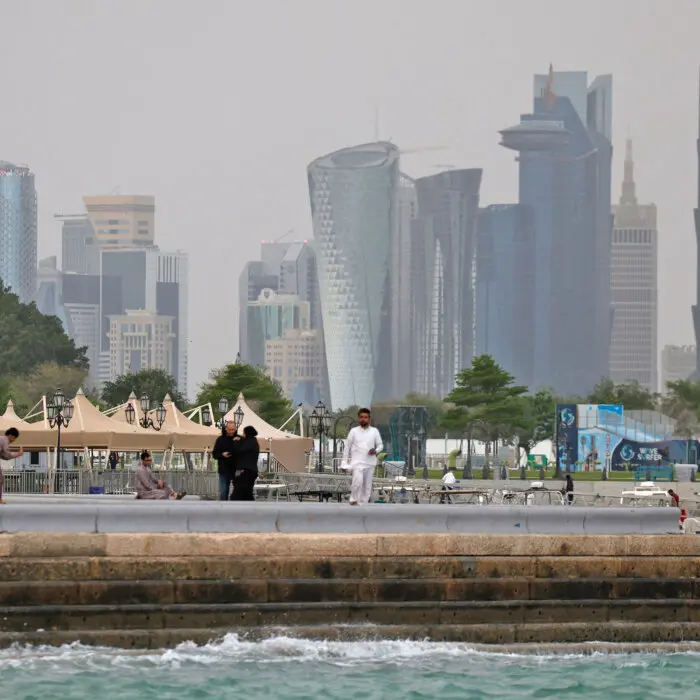
“Special Envoy Witkoff and Jared Kushner will be flying to Doha for high-level meetings this week, as we continue to discuss the memorandum of understanding. On the sidelines of those high-level talks will be the technical talks,” she said.
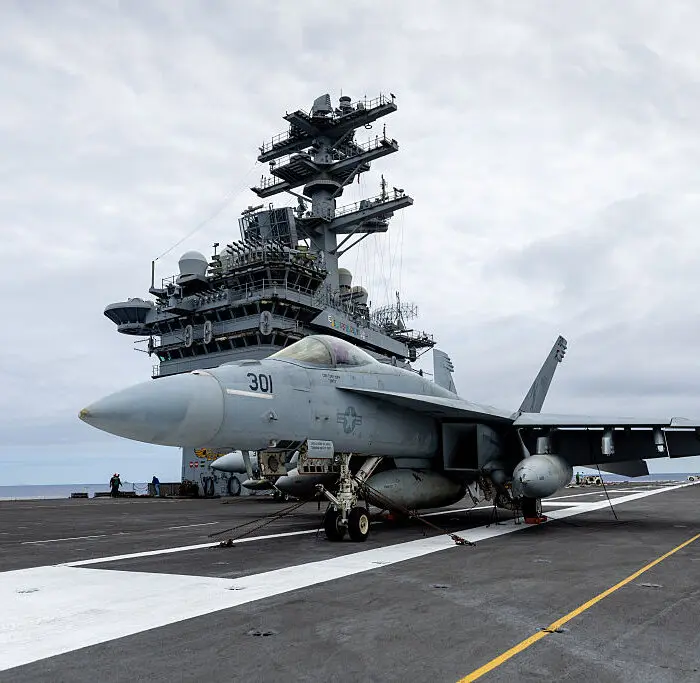
“As far as we’re concerned, we’re holding up our end of the ceasefire. Violence will be met with violence.”
The United States and Iran signed a memorandum of understanding on June 17 aimed at ending four months of conflict, under which both sides agreed to cease hostilities and reopen the Strait of Hormuz.
The memorandum set up a 60-day time period for talks on more significant matters, including Iran ending its nuclear program, handing over uranium, and potentially creating a $300 billion fund for investment in the country, among other points.
But tit-for-tat weekend strikes threatened to derail the fragile accord. A return to talks would follow several days of strikes and counterstrikes since an Iranian projectile hit a cargo vessel in the strait on Thursday, with both the United States and Iran accusing one another of breaking the interim ceasefire.
“There were attacks on commercial vessels that the United States of America, directed by the president, responded to, and that will continue to happen, but we hope we don’t see that. The president obviously wants to see the peace process play out,” Leavitt said in the Fox News interview on Monday.
On social media, Trump also hailed a drop in oil prices, with a barrel of West Texas Intermediate crude trading around $69 on Monday.
Oil prices had surged during hostilities with Iran that started on Feb. 28 and as Iran attempted to gain control over the strait. As of Monday morning, WTI crude prices stood at around $70 per barrel.
“This is less than it was prior to the start of the Denuclearization of Iran,” the president said, referring to the price of oil.
Reuters contributed to this report.