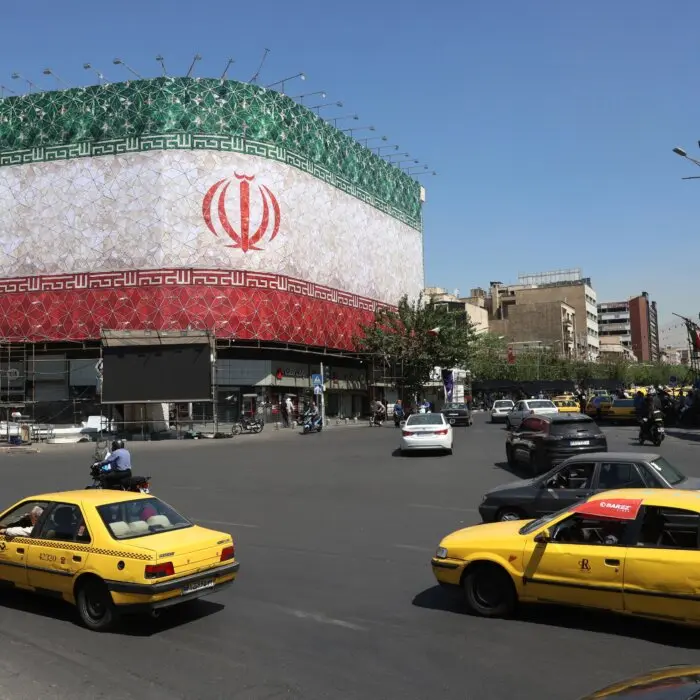
Iranian officials have issued warnings to Europe, saying that any country found to have supported recent U.S. military operations against the Islamic Republic could face retaliation.
Iranian Foreign Ministry spokesman Esmaeil Baqaei said in a July 9 post on X that European governments are siding with Washington during the conflict.
Baqaei said NATO Secretary-General Mark Rutte’s comments confirmed that Europe had not been neutral during what he described as the “US–Israeli war of aggression” against Iran.
“Those who provided their territories, military bases, and infrastructure to enable the aggression cannot evade responsibility for their contribution to an unprovoked aggression and its grave consequences,” Baqaei said.
Baqaei also criticized Rutte’s recent remarks, saying his “relentless self-congratulation for serving an illegal war of choice does not reflect strength” and arguing that what he described as excessive praise of Washington would neither enhance NATO’s credibility nor improve its effectiveness.
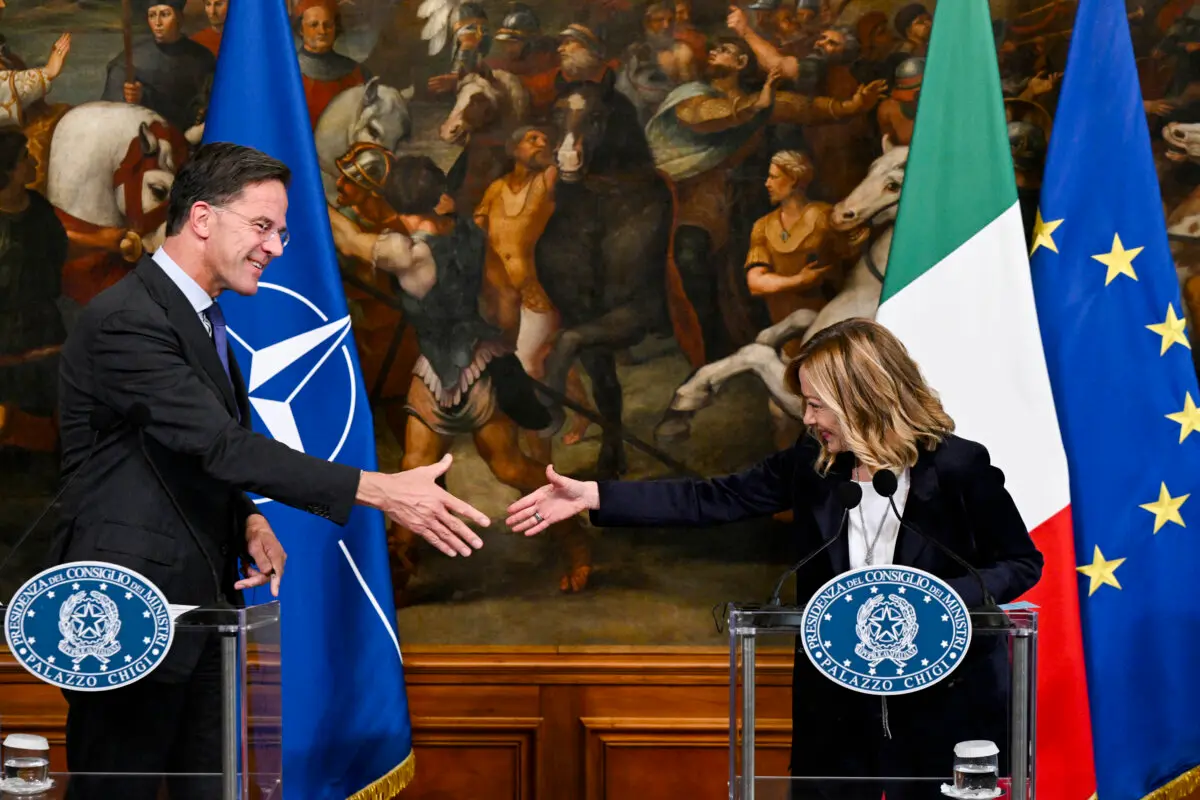
“When you have a ceasefire and Iran is basically violating the ceasefire, I think it is totally crucial that the U.S. forcefully react,” Rutte told reporters before meeting the NATO leaders.
Retaliation Warning
Ebrahim Azizi, chairman of the Iranian parliament’s Foreign Policy and National Security Commission, said countries that allowed their territory to be used against Iran should expect a response.According to a July 9 report by Iranian state-run PressTV, Azizi said Tehran had repeatedly warned European governments not to become “pawns” of the United States and instead pursue independent policies.
The Italian Defense Ministry responded with a detailed statement on June 24, saying only technical and logistical support had been approved under existing agreements and stressed that no authorization had been given for combat operations.
The statement quickly drew criticism because Meloni’s government had repeatedly said that Italy did not authorize its territory for direct military action against Iran.
Referring to reports that Italy may have allowed U.S. forces to use military facilities during the conflict, Azizi said Iran would respond if such claims proved true.
Military Operations
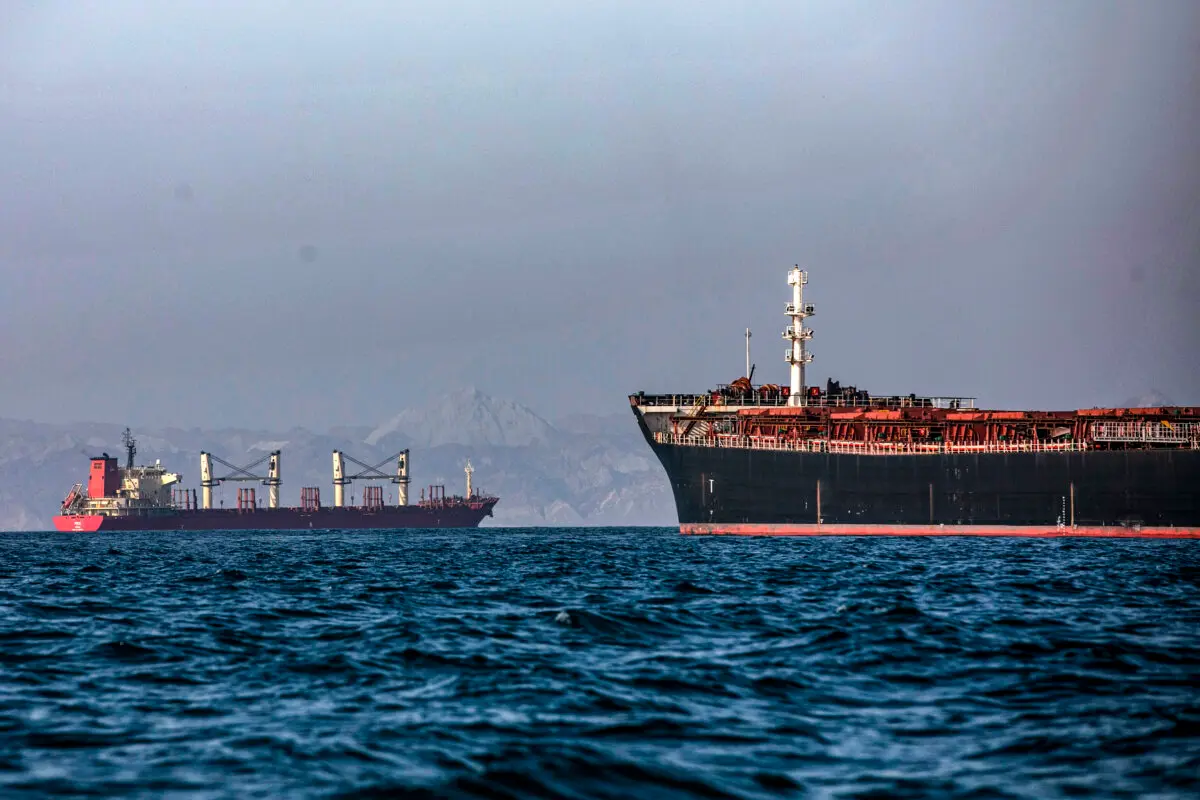
Azizi also warned that Iran could close the Strait of Hormuz if military pressure continued, saying such a move would severely disrupt the global economy and that the United States would bear responsibility for the consequences.The U.S. military said it struck about 90 Iranian military targets on July 8, targeting air defense systems, coastal surveillance assets, missile and drone storage sites, naval capabilities, and logistics infrastructure along Iran’s coastline.
U.S. Central Command said the operation aimed to further reduce Iran’s ability to threaten commercial shipping in the Strait of Hormuz after Tehran allegedly violated a ceasefire by attacking merchant vessels.
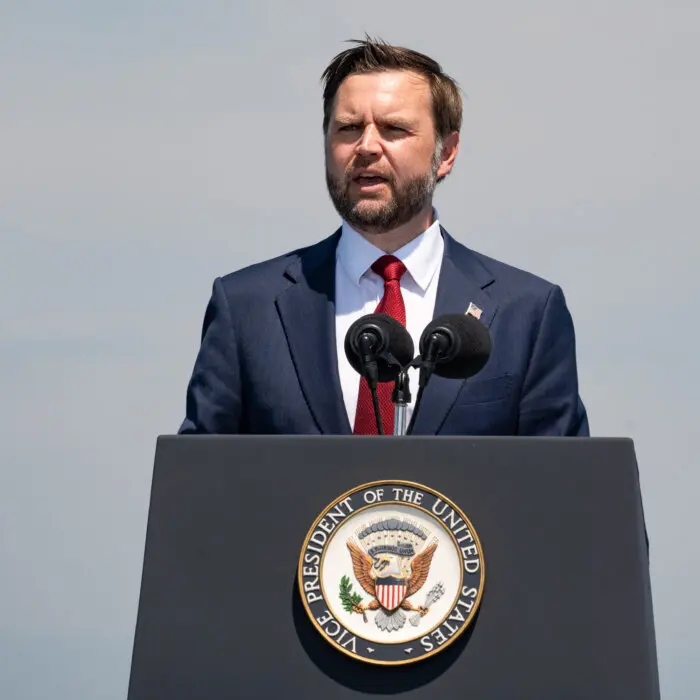
U.S. Vice President JD Vance said on July 8 that Washington would strike Iran again unless Tehran stopped attacks against commercial vessels in the Strait of Hormuz.
The latest military exchange marks a sharp escalation after several weeks of relative calm following a June memorandum of understanding signed by Washington and Tehran.
Negotiations involving U.S. special envoy Steve Witkoff and Jared Kushner, President Donald Trump’s son-in-law, were paused during Iran’s multi-day funeral ceremonies for former Iranian leader Ali Khamenei.
Asked before a NATO summit in Turkey whether the memorandum remained in effect, Trump replied: “It’s a very interesting question. To me, I think it’s over. I don’t want to deal with them.”
The Islamic Revolutionary Guard Corps (IRGC) said on July 8 that it had targeted U.S. military sites in Bahrain and Kuwait and had shot down a U.S. MQ-9 drone during the operation. Bahrain’s military later said it had thwarted Iranian attacks.
Speaking about Iran’s relations with Gulf Arab states, Azizi said he remained skeptical that regional governments would refuse future U.S. requests to use their territory for military operations despite recent diplomatic engagement with Saudi Arabia and Qatar, PressTV reported.