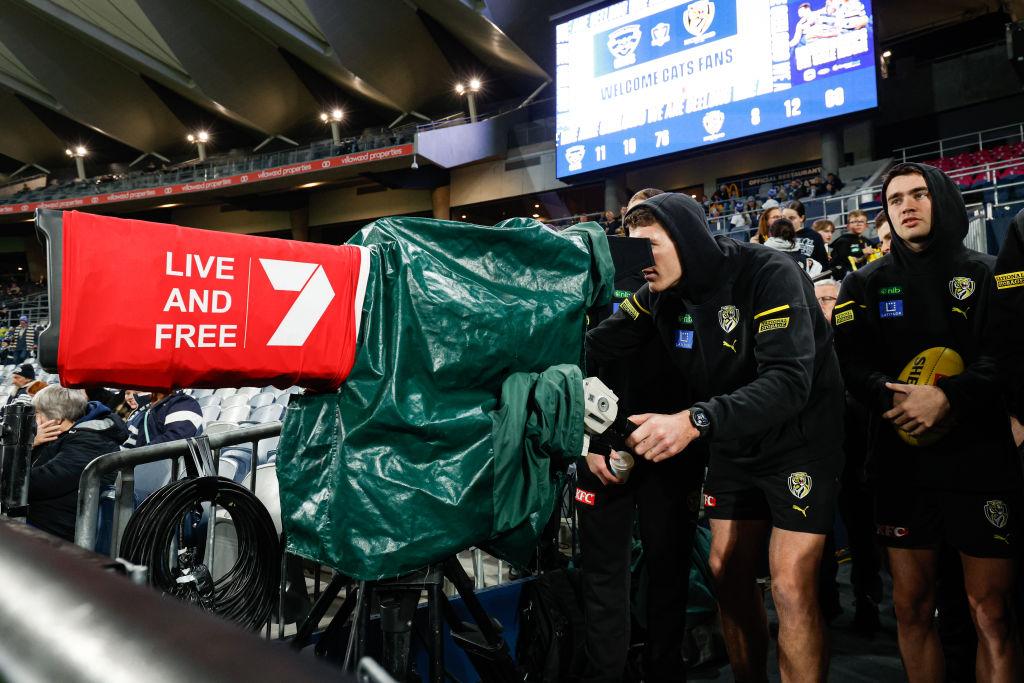
Australia’s Prime Minister Anthony Albanese says he expects the the Iran War will end shortly, as it has achieved its goal of curtailing Tehran’s potential to develop nuclear weapons.
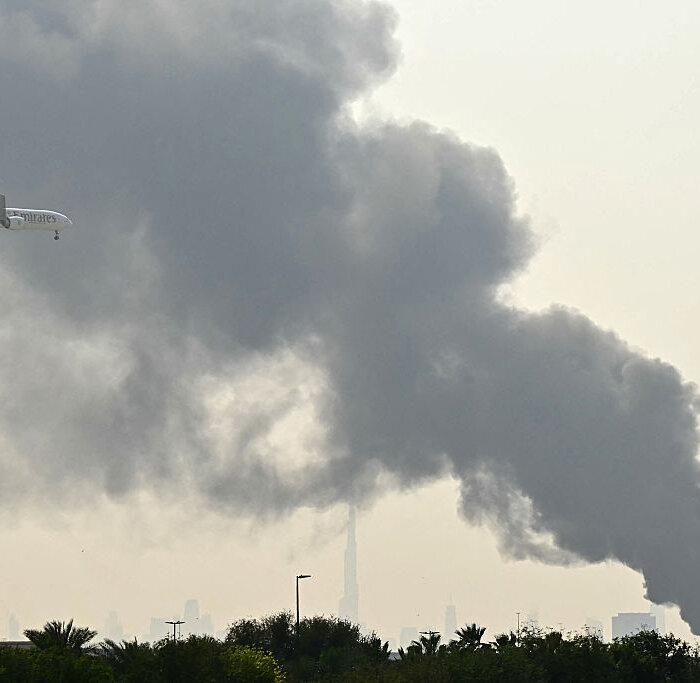
Iran’s closure of the Strait of Hormuz—one of the world’s main oil corridors—in reaction to the conflict has caused fuel prices to soar globally, with Brent crude (which is processed to make fuel) sitting at US$107.38 (as of March 19), 67.2 percent higher than a year ago.
But Albanese, speaking on radio station Triple M, precited that now the “specific issue” of Tehran’s regime being denied its nuclear weapons potential had been achieved.
“[There will be] a bit of a tail, though, like you don’t end the war, and then everything is all hunky-dory.”
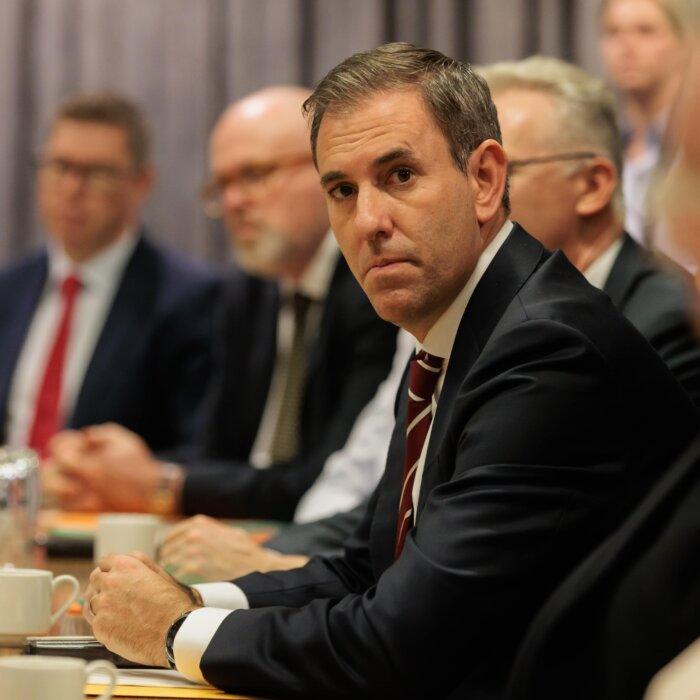
Albanese pointed out that Australia has 37 days of fuel supply on hand, but that doesn’t mean it runs out exactly at the end of the timeframe.
“What that means is that there’s 37 days supply there [but] as petrol is going out, petrol [is] still coming in and filling up that supply as well,” Albanese said.
The country was also supplied with some types of fuel which don’t transit through the Strait of Hormuz.
“Much of our fuel supply comes from our region ... that isn’t impacted directly by this war,” he said.
“So, diesel, for example, from Korea, jet fuel from China, petrol from a range of sources as well, including, of course, Singapore. We’re talking with our counterparts overseas as well to make sure that that supply continues and, importantly, that supply is there.”
Whilst Asia is a major refining hub, it does source the raw material from the Middle East.
The prime minister also said people should not be stockpiling petrol.
“There is no need for some of what has occurred, which is people filling up jerry cans and putting fuel in their garages,” he said. “It is not a sensible or safe thing to do. Nor is it in the economic interests of your neighbours and your community.”
Mixed Views Over Non-Intervention
The government’s decision not to provide military support to the US was praised by Professor David Smith of the United States Studies Centre at the University of Sydney.“The best thing for Australia is to stay as far away from the Strait of Hormuz as possible,” he said. “There’s a risk that allies sending navies is going to prolong the conflict.”
“Allies of the U.S. need to try to persuade it [the Trump administration] to end the conflict, as that is the most likely way to reopen the Strait,” he said.
The government has said it hasn’t received a formal US request to send a warship, and Australia would not be doing so, but it has deployed a Royal Australian Air Force (RAAF) E-7A Wedgetail plane to the Middle East to help monitor the region.
“That doesn’t mean having to support the US blindly or uncritically,” he said.
“This should be treated as a demonstration to the US—not one where we sit back and say ‘you broke it, so you fix it,’ but rather an opportunity for the rest of the world to show that democracies need each other and must work together, including with the US, in the face of common threats.”
Albanese said no Australian troops were wounded, and “everyone is absolutely safe at this point in time.”