Iran has launched fresh attacks targeting Kuwait, Bahrain, and Jordan and said that two oil tankers were immobilized in the Strait of Hormuz.
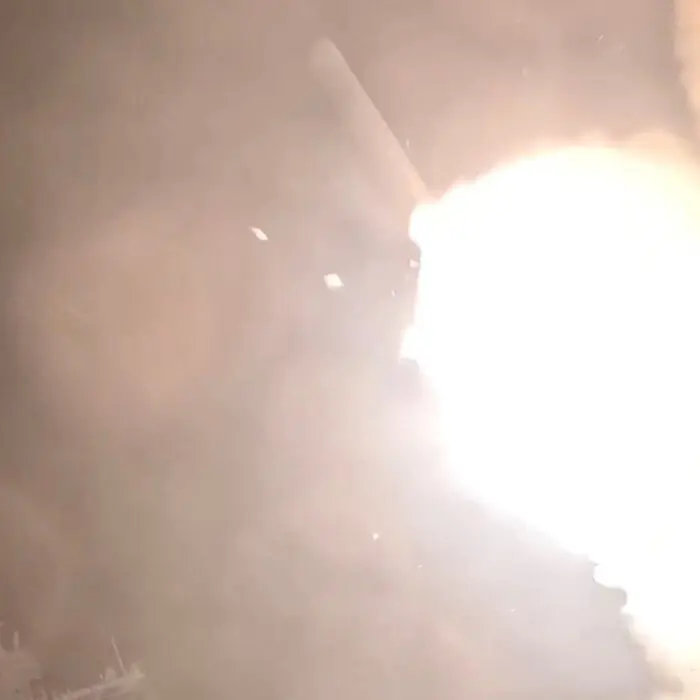
Iran’s Islamic Revolutionary Guard Corps (IRGC) said on July 20 that it had launched ballistic missiles at U.S. aircraft stationed at Jordan’s Aqaba airport, as well as U.S. military facilities at Kuwait’s Al-Adiri camp, Ali Al Salem Air Base, and Syria.
The IRGC also said that two oil tankers exploded and were left immobilized after attempting to use what it called an unsafe route through the strait.
The latest action comes as the U.S. military struck Iran for a ninth consecutive day on July 19.
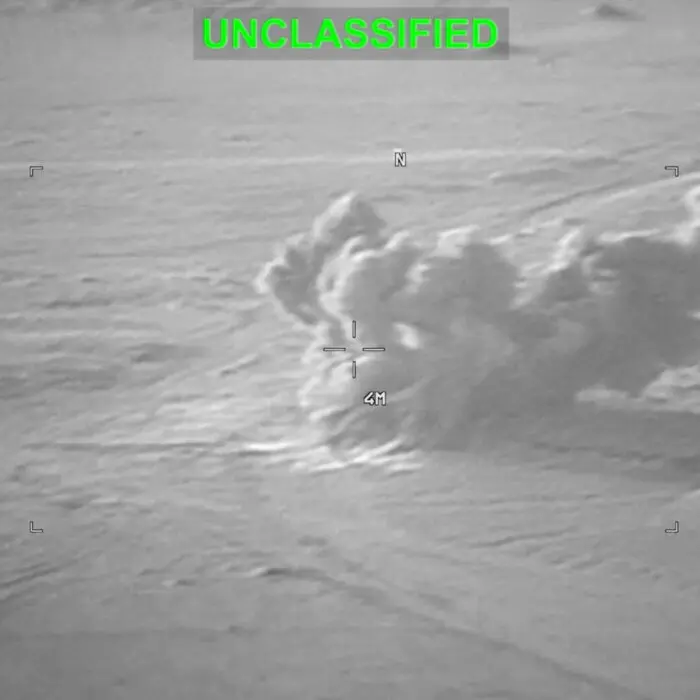
U.S. Central Command said in a post on X that it had completed its ninth straight night of strikes, targeting Iranian military command centers, air defense systems, coastal surveillance sites, maritime capabilities, missile and drone launch sites, and communication networks “to further diminish Iran’s ability to attack commercial vessels and civilian mariners transiting the Strait of Hormuz.”
It added that U.S. forces remained “highly vigilant, focused, lethal, and ready.”
The exchanges marked another escalation in the conflict that resumed after an interim ceasefire agreement collapsed last month. The renewed fighting has disrupted shipping, pushed oil prices above $90 a barrel, and heightened concerns about global energy supplies.
The U.S. Embassy in Amman said in a July 19 post on X that Jordanian authorities had evacuated Aqaba’s airport and seaport due to a “specific and credible threat,” and urged Americans to stay away from both sites.
Mohammad Halawi, operations manager for the Aqaba Ports Management and Operation Company, told Jordanian state-funded broadcaster Al-Mamlaka TV on July 19 that port activity was continuing as normal.
Kuwait’s government on July 19 condemned Iran after a second attack in as many days struck a power and desalination plant, sparking a fire. The Kuwaiti Foreign Ministry said in a social media post that the strikes violated international law, and it held Iran fully responsible for the damage.
The Kuwaiti army shared a similar warning in a July 20 post on X, saying air defenses were confronting drone attacks and that any explosions heard were the sound of interceptions, not new strikes.
In Bahrain, the Interior Ministry said on social media that sirens sounded on both July 19 and July 20 as the conflict intensified.
Iran’s state-run IRNA news agency reported on July 20 that satellite imagery showed damage to a power substation in Bahrain, which it described as serving both as a U.S. command-and-control hub and an artificial intelligence data center.
The Epoch Times could not independently verify claims.
U.S. Secretary of State Marco Rubio said Washington would continue military operations.
“The Strait of Hormuz are international waterways, and they continue to launch against the ships in that international waterway,” Rubio said.
“As long as Iran insists on controlling an international waterway, we’re gonna have to respond to that. The United States always remains open to a diplomatic solution.”
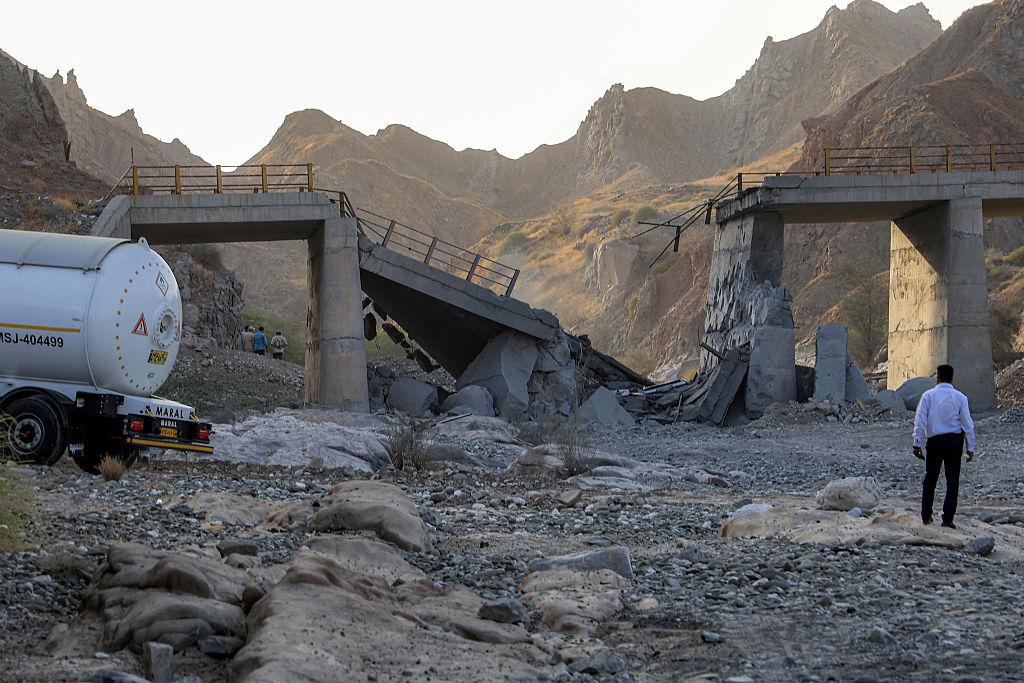
Iranian semi-official Tasnim news agency, citing its reporters, reported on July 20 that U.S. missiles struck several cities. Explosions were heard in Tabriz, Chabahar, Konarak, Bandar Mahshahr, and Bandar Imam Khomeini, according to Tasnim.
Hormuz Disruption
The UK Maritime Trade Operations (UKMTO) center said on July 19 that it had received a report of an incident 8 nautical miles northwest of Kumzar, Oman, involving a vessel on fire.
The center later said its client had confirmed the ship was struck by an unidentified projectile, that the crew had abandoned ship safely and been picked up by a tugboat, and that the vessel remained adrift with no reported environmental damage.
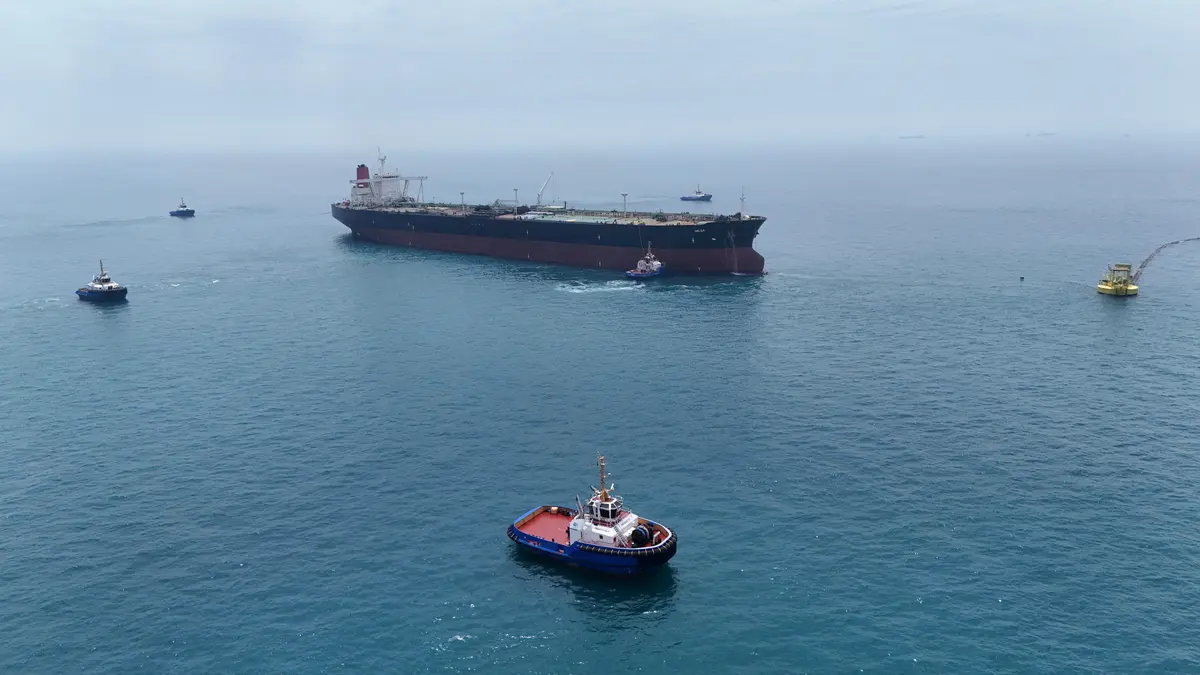
Shipping through Hormuz has thinned as the standoff drags on. Four vessels transited the strait on July 19, down from eight the day before, according to data from the London Stock Exchange Group. Oil prices climbed 2 percent to more than $90 a barrel on July 20.
Central Command confirmed in a July 19 post on X that a U.S. service member was killed in northern Iraq on July 18 while defusing an unexploded Iranian drone.
That death followed the loss of two service members in Jordan on July 17, whose remains military personnel located after a search, Central Command said.
The renewed fighting follows the collapse of an interim ceasefire signed a month earlier. The broader conflict began on Feb. 28, when the United States and Israel struck Iran in an effort to dismantle its nuclear and missile programs.