Iran and Oman have reached an understanding on the coordinates of a new shipping route through the Strait of Hormuz, but officials in Tehran said the arrangement would not by itself reopen the strategic waterway.
Iranian Foreign Ministry spokesman Esmaeil Baghaei said on Aug. 5 that Tehran and Muscat were finalizing a joint announcement after reaching a “mutual understanding on the geographical parameters of the route under discussion.”
The announcement was in the final stages of review and drafting, he said, provided that third parties did not interfere with the process.
Iranian deputy foreign minister for legal and international affairs Kazem Gharibabadi separately told Iran’s state-run IRNA news agency that “understandings in principle” had been reached on nearly all aspects of the proposed arrangements.
“Substantial progress has been made in the talks with Oman, and this process is on the verge of being finalized,” he said.
Gharibabadi added, however, that the agreement with Oman “does not mean the Strait of Hormuz will reopen.”
He said that implementing the arrangement would require a separate decision by Iran’s senior authorities and would depend largely on whether the United States meets conditions set by Tehran.
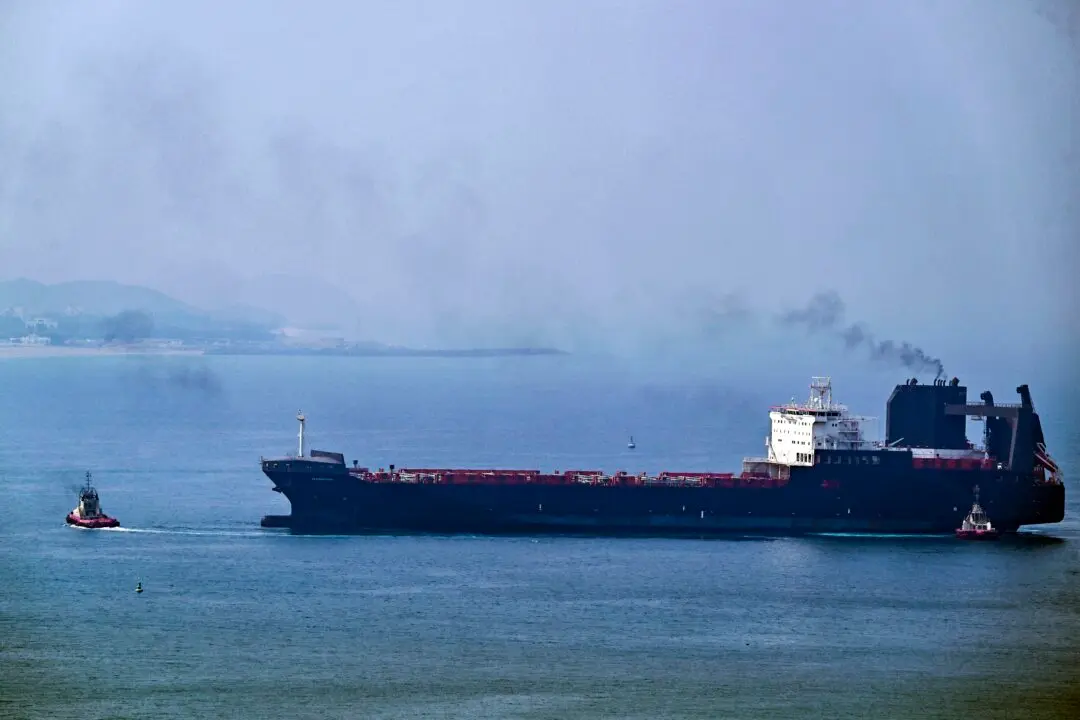
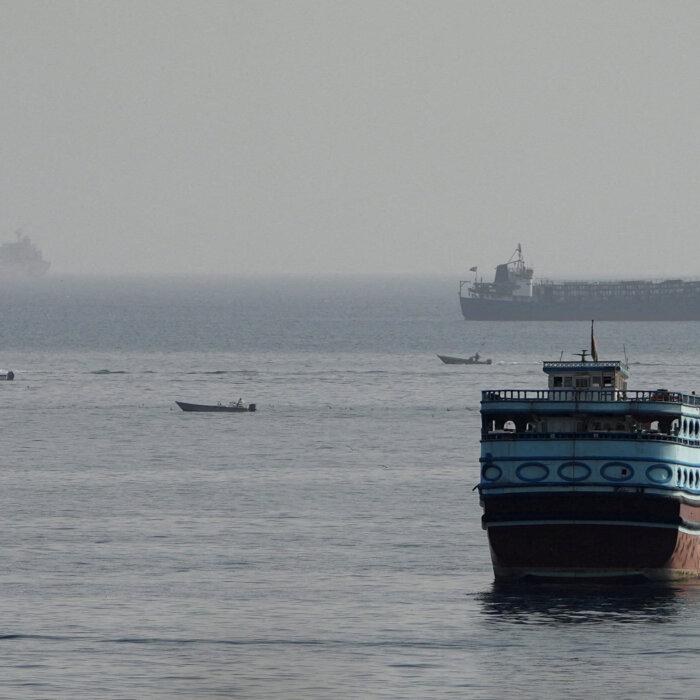
The Strait of Hormuz, through which roughly one-fifth of the world’s seaborne oil previously passed, has faced severe disruptions since the outbreak of the Iran war.
Iran has targeted commercial ships transiting without its permission, while Washington has sought to maintain shipping through routes protected by U.S. forces.
Trump Touts Progress
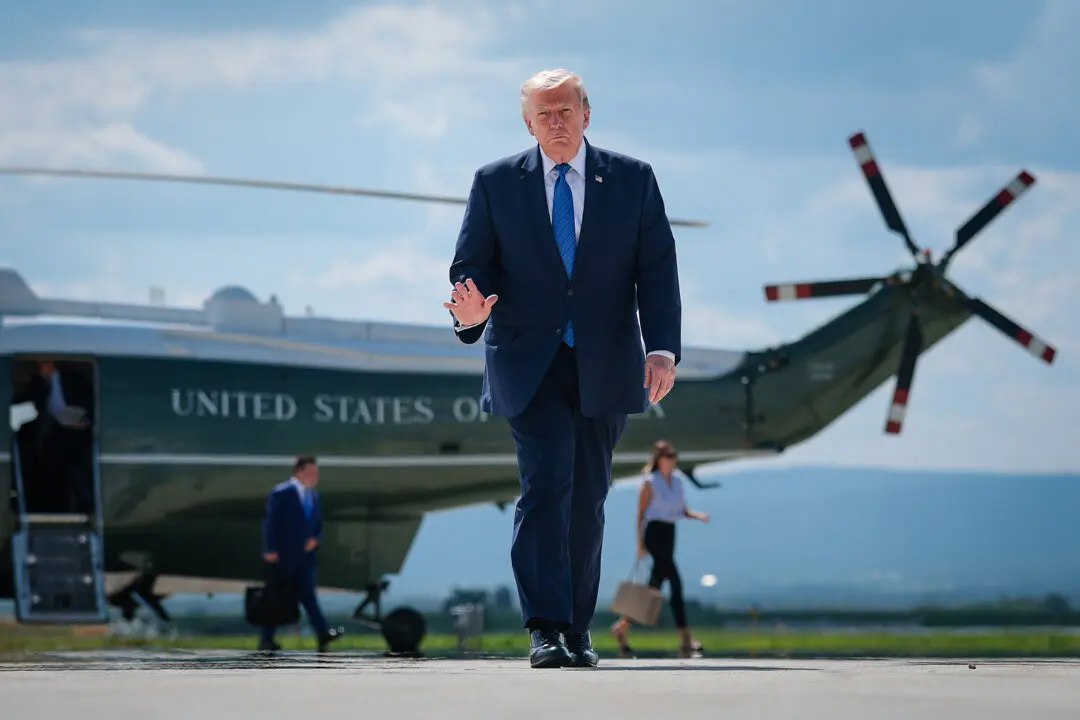
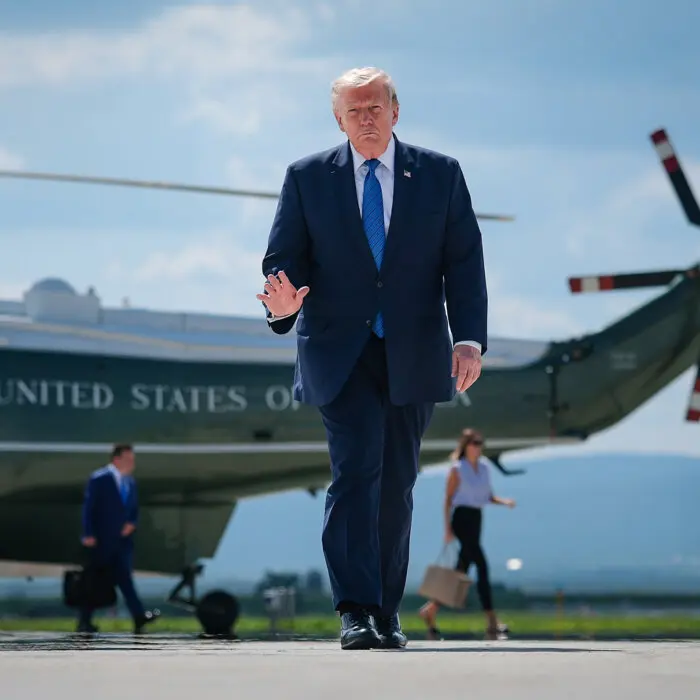
“A lot of progress has been made,” Trump told reporters traveling with him in California on the evening of Aug. 4.
Trump later told Fox News that the strategically vital waterway is “going to be open very soon,” while warning that U.S. forces would hit Iran “really hard” if Tehran backs out.
“I’d rather make a deal because I don’t want to kill people,” Trump told a rally in Las Vegas on Aug. 5, adding that the U.S. military was “all set for the biggest attack since World War Two, and they called me, and they said, ‘Please don’t do it. Let’s talk.’”
The Iranian foreign ministry spokesperson said on Tuesday that talks on establishing new shipping routes through the Strait of Hormuz were progressing positively.
“The talks, which are being held between the two coastal states of the Strait of Hormuz, are focused on establishing safe shipping routes while safeguarding the sovereign rights and security interests of Iran and Oman alike,” Baghaei said on Aug. 4, adding that the talks were bilateral and did not directly involve Washington.
Trump has rejected that characterization, accusing Iranian leaders of publicly denying talks even though they are pushing for an agreement behind the scenes.
Speaking to rallygoers in Las Vegas, Trump said that Iranian leaders first pleaded with him not to proceed with a new attack, before publicly saying, “We never said that.”
“You know what? The fake news knows they did say that,” Trump said. “But we are talking. Let’s see what happens.”
New Routes Through Hormuz
On Wednesday, Gharibabadi told Iranian state-run media that the emerging understanding between Iran and Oman would close the temporary northern route through Hormuz near Iran’s Larak Island and the southern route through Oman’s internal waters.
A significant portion of the replacement route would pass through Iranian territorial waters, while another section would run through Omani waters, he said. Commercial ships would pass through Iranian waters on the inbound leg and along parts of the outbound route.
“To exercise effective sovereignty in the Strait of Hormuz, which is now a strategic concern for us, we do not necessarily have to demand that vessels pass entirely through Iranian territorial waters,” Gharibabadi said, hinting at Tehran’s intention to continue exerting control over the strategic waterway.
The proposal also provides for a joint Iran–Oman coordination center to direct maritime traffic and collect information from vessels seeking to move between the Gulf of Oman and the Persian Gulf.
The new route would initially be classified as temporary but could remain in place for two to four months or longer, according to Gharibabadi.
While Gharibabadi said Iran had not held direct negotiations with the United States during its talks with Oman, he acknowledged that Tehran had received U.S. messages outlining Washington’s position.
Although the United States conveyed its readiness to abide by the U.S.–Iran memorandum of understanding signed in mid-June, Gharibabadi said meeting those commitments would not be enough to reopen the Strait of Hormuz.
Tehran would also assess U.S. actions involving sanctions, Iran’s frozen funds, the reinstated U.S. naval blockade, and the wider regional conflict before deciding whether to enter what Gharibabadi called the “second phase” and reopen the strait under the new arrangements.
“These matters relate entirely to the United States, not to the Islamic Republic of Iran,” he said. “If the Iran–Oman agreement is to enter the implementation phase, the other side must meet these requirements.”
Trump told Fox News on Wednesday that the talks seemed “to be working out quite well,” reiterating his positive portrayal of the negotiations, but did not elaborate on the specifics.