Iran’s ambassador to the United Nations, Amir Saeid Iravani, has accused Bahrain, Saudi Arabia, Qatar, the United Arab Emirates, and Jordan of breaching their obligations under international law by allowing their territory to be used for U.S. military operations against his country, and demanded compensation from them.
In a letter to U.N. Secretary-General António Guterres, published in full by Iran’s state-run Islamic Republic News Agency on April 14, Iravani said the country “was subjected to a flagrant act of aggression” by the United States and Israel in violation of international law and the Charter of the United Nations, and that Tehran was acting in self-defense.
The letter forms part of an exchange at the United Nations Security Council, following a series of submissions by Bahrain, Saudi Arabia, Qatar, the United Arab Emirates, and Jordan. In one such communication, Qatar said it reserved its right to respond “in accordance with Article 51 of the Charter of the United Nations,” signaling a potential claim of self-defense, and added on April 11 that it had sent its 14th identical letter to the U.N. on the issue.
Article 51 of the U.N. Charter recognizes “the inherent right of individual or collective self-defense if an armed attack occurs against a UN member state.”
Doha also said that all damages and losses resulting from Iran’s actions will be assessed by the competent authorities.
Qatar’s letter, sent by permanent representative of the State of Qatar to the United Nations Alya Ahmed bin Saif Al-Thani, noted that the country was subjected to attacks by seven ballistic missiles and several drones from Iran on April 8, which she said Qatar’s Armed Forces had “successfully intercepted.”

She said that this attack was carried out by Iran after the U.N. Security Council adopted a resolution condemning Iran’s “egregious attacks” against its regional neighbors amid rapidly spiraling violence in the Middle East on March 11.
Iran rejected that legal framing, arguing in its April 14 letter that “under the present circumstances” the states in question cannot lawfully invoke Article 51.
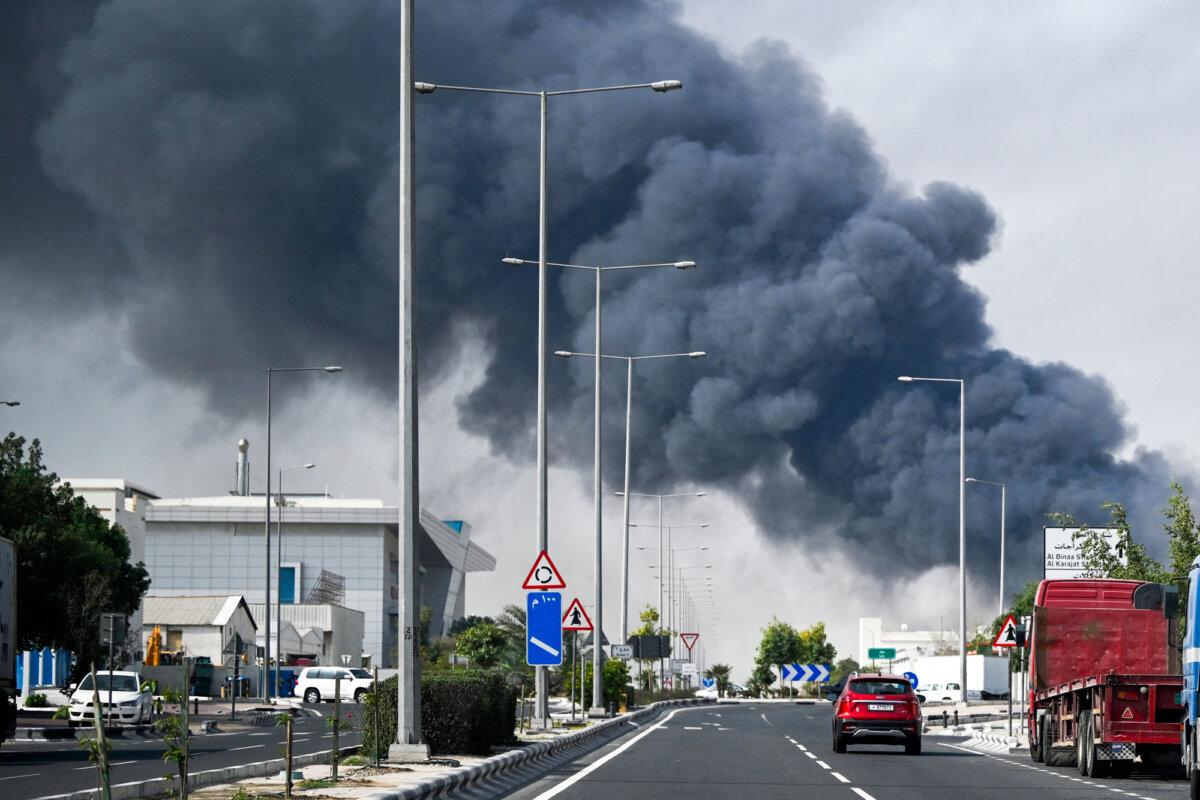
“Since then, the aggressors have utilised the territories of the Kingdom of Bahrain, the Kingdom of Saudi Arabia, the State of Qatar, the United Arab Emirates, and the Hashemite Kingdom of Jordan for the perpetration of acts of aggression against the Islamic Republic of Iran,” Iravani said. “The conduct of those States in allowing their territories to be used by the aggressors against the Islamic Republic of Iran qualifies as an act of aggression.”
He added that the five Arab states should “make full reparation to the Islamic Republic of Iran, including compensation for all material and moral damage sustained as a result of their internationally wrongful acts.”
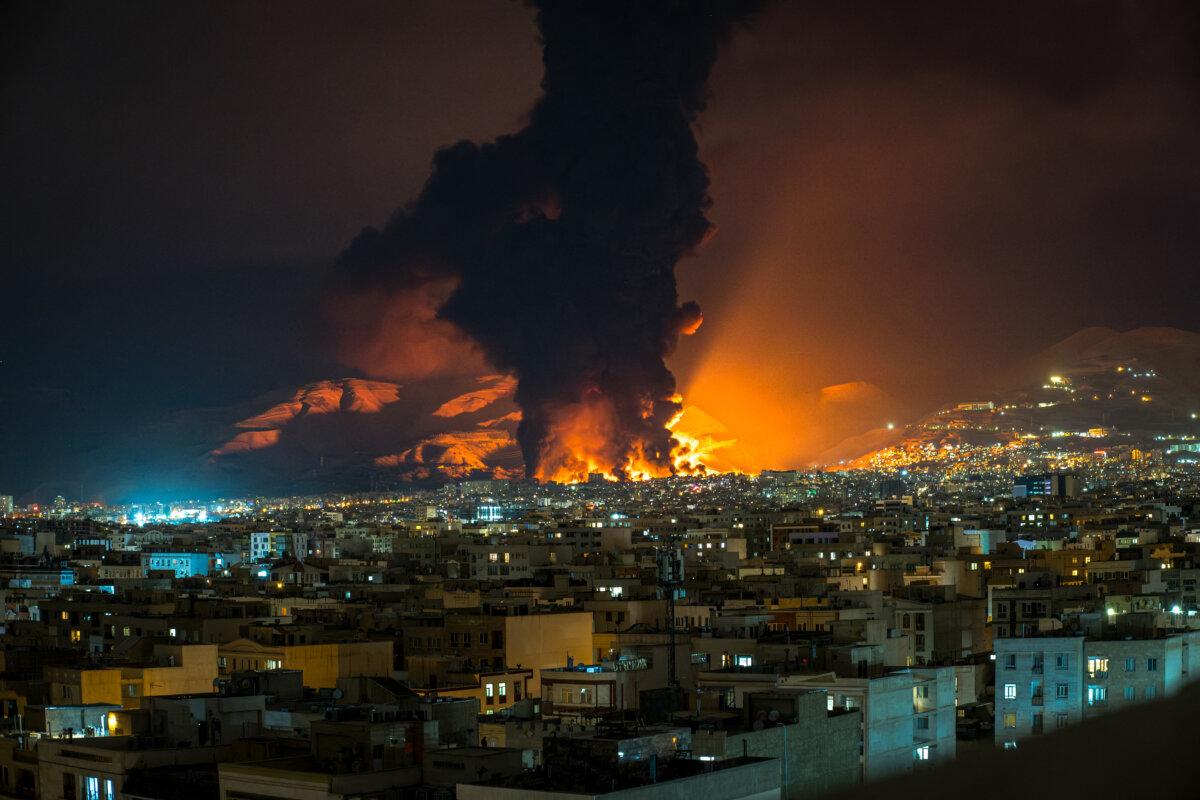
Mohajerani described the figure as “very crude,” adding that authorities would calculate a more precise total through a multi-stage process.
The first will be an assessment of damage to buildings; the second will be an analysis of budget revenue losses and the impact of industrial shutdowns, she said.

Analysts said the economic implications for Iran, and potentially for global energy markets, could be significant.
“The U.S. blockade isn’t aimed at stopping [Gulf Cooperation Council] energy and goods flowing, which they aren’t anyway, but will stop Iran exporting energy, or importing food, industrial parts, or weaponry by sea,” RaboResearch global strategist Michael Every wrote.
The Gulf Cooperation Council is a bloc of six major oil-producing states, including Saudi Arabia and the United Arab Emirates.
“The economic impact will be enormous, and in around 13 days, Iranian oil storage will be full, forcing well shut-ins and risking permanent supply-side damage,” Every added.