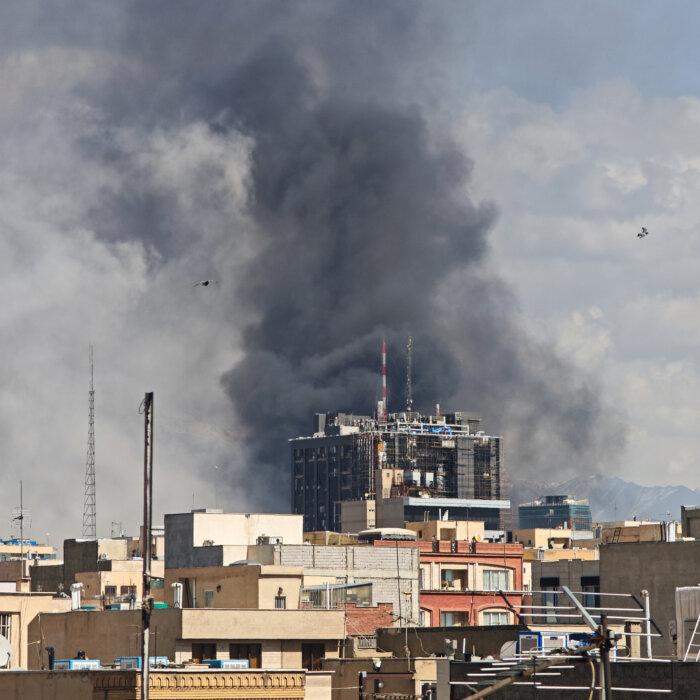
Australia’s trade exposure to the escalating Middle East conflict amounts to roughly $15 billion (US$10.5 billion), but federal ministers warn the broader economic fallout could be far larger as global markets react to rising energy prices and geopolitical uncertainty.
Trade Minister Don Farrell said Australia’s direct trade links with the region remain relatively limited, though instability is already creating uncertainty for exporters.
“But of course, all of that gets affected by this uncertainty of the war in the Middle East.”
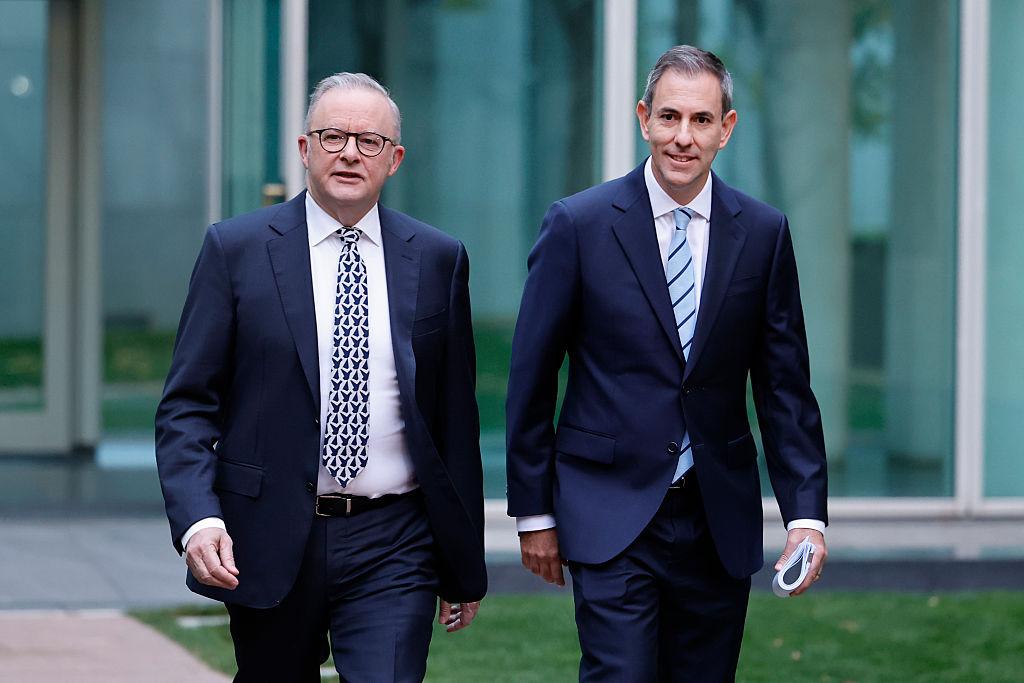
Meanwhile, Treasurer Jim Chalmers said the government is closely tracking the economic consequences of the conflict as part of daily meetings of the National Security Committee.
“The situation is changing rapidly. The impacts are essentially uncertain, but we expect them to be substantial,” he told reporters at a press conference.
Markets Slide as Oil Prices Jump
Financial markets are already responding to the escalating conflict in the Middle East, with investors reacting to the possibility of prolonged instability and higher energy prices.The Australian dollar slipped slightly amid the uncertainty, trading at 70.12 U.S. cents, down from 70.88 U.S. cents the previous day.
Global oil prices have surged 15 percent since the attacks, amid fears that tensions could disrupt key energy supply routes.
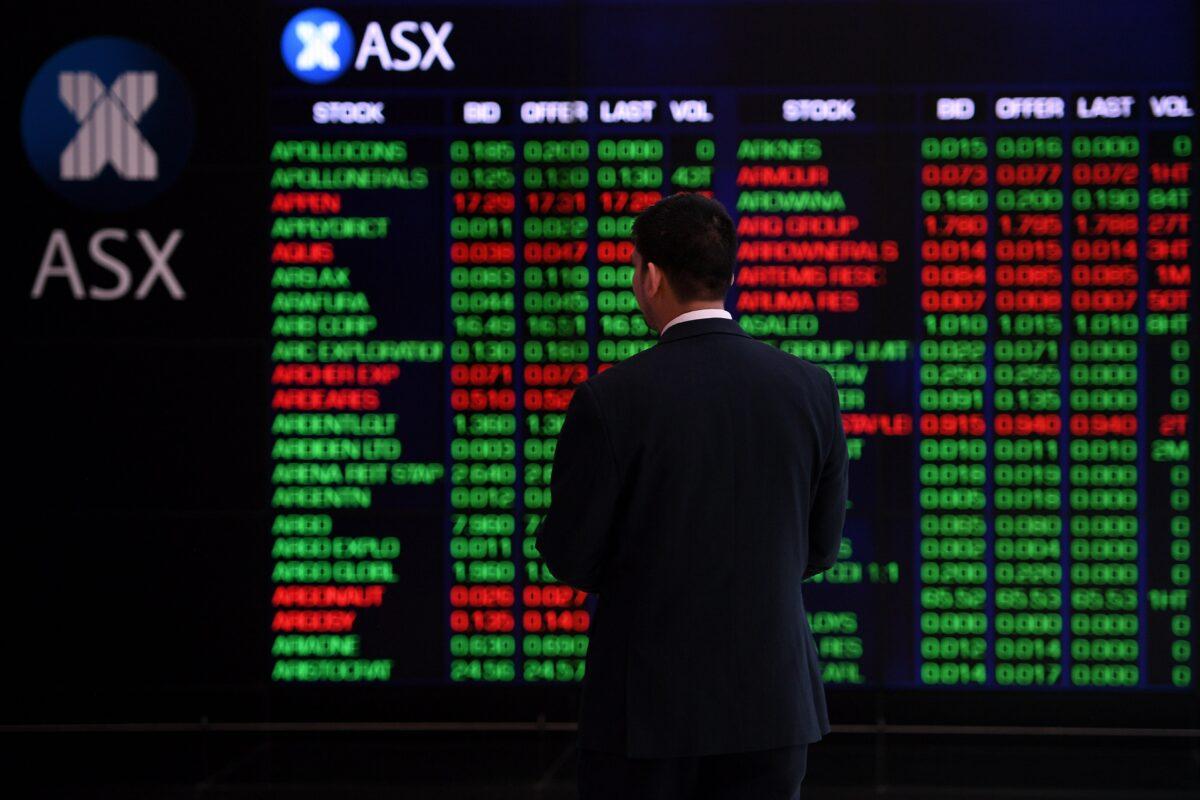
Australian shares also came under pressure. By midday on March 4, the S&P/ASX 200 dropped 136.7 points, or 1.51 percent, to 8,936.7, while the broader All Ordinaries index fell 1.53 percent to 9,155.1.
The downturn followed a weak trading session on Wall Street, where investors weighed the inflation risks that could arise if the Iran conflict drags on.
Selling was widespread across the Australian market, with 10 of the ASX’s 11 sectors trading lower by midday.
Mining companies were among the biggest drags after gold prices dropped about four percent, pushing shares in producers such as Northern Star, Evolution and Newmont down by 5 percent or more.
Iron ore futures also softened, slipping below US$99 per tonne, which weighed on mining heavyweight BHP.
Financial stocks dropped by 1.2 percent, while industrial shares were down 1.4 percent.
Airline stocks were particularly weak as disruptions to global travel unsettled investors. Qantas’ stock has fallen more than 14 percent over the past week, trading at $9.10, while Virgin Australia’s slipped two percent after Qatar Airways reduced its stake in the carrier from 69.8 percent to 67.7 percent.
Consumer staples also moved lower, with Woolworths sliding after trading ex-dividend.
The Iran conflict is also complicating the outlook for interest rates.
Traders have increased expectations of a March rate hike after comments from Governor Michele Bullock suggested the upcoming meeting of the Reserve Bank’s board remains “live.”
Political Pressure Over Fuel Prices
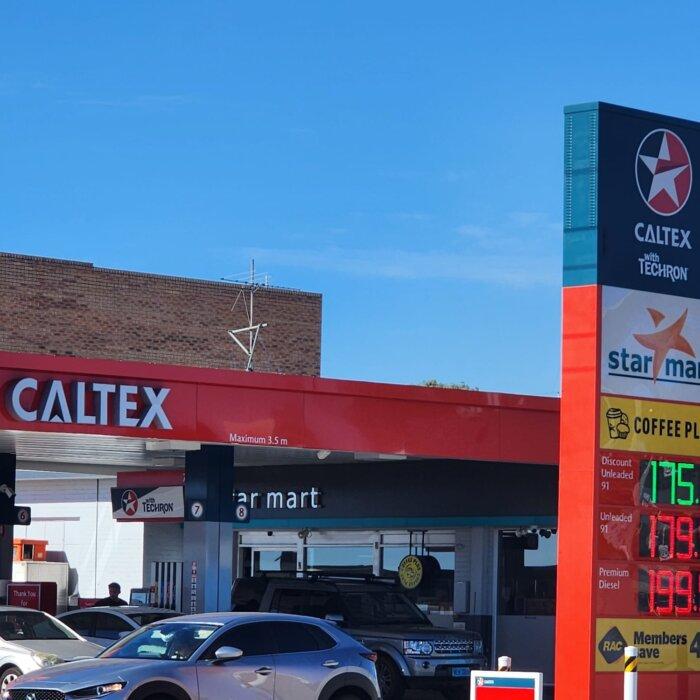
The conflict is also intensifying debate over the impact of rising fuel prices on households.Shadow treasurer Tim Wilson stopped short of calling for an immediate cut to the fuel excise but said the government had the power to act if prices continued to rise.
“We’re going through our processes to address how we’re going to confront these realities, but it seems pretty clear to me that the treasurer could take that action [to cut the fuel excise] if he chose to take that action,” he told Sky News Australia on March 4.
“At this point, he’s quite happy to take extra money from tax revenue from Australians because he’s got a credit card addiction that he needs to pay off.”
Chalmers countered the claim, saying Wilson’s remarks were wrong: “The excise is levied on volume, not on price and [Wilson] should know that. He’s either deliberately lying about that or he has absolutely no idea what he’s talking about.”
Later, the issue of fuel excise dominated the question time in the Parliament, with the opposition demanding more clarity from the government.