The resolution, adopted on Nov. 20, said that Iran is noncompliant with the longstanding Treaty on the Non-Proliferation of Nuclear Weapons (NPT) Safeguards Agreement that requires it to let IAEA inspectors verify that its nuclear material is not being used to build weapons.
The document, backed by Washington and key European powers, said the IAEA has been unable to verify Iran’s highly enriched uranium for more than five months. It demanded that Tehran provide full information, access, and cooperation to resolve longstanding safeguards issues.
In response, the Iranian Foreign Ministry said on Friday that Iran’s nuclear program is peaceful, condemning the resolution, which it said was adopted under pressure from the United States, Germany, France, and the UK.
The deal restored Iran–IAEA cooperation, following its collapse after a 12-day conflict in June between Iran and Israel. During the fighting, Israeli and U.S. strikes targeted three Iranian nuclear facilities. Iran responded with its own strikes on Israel.
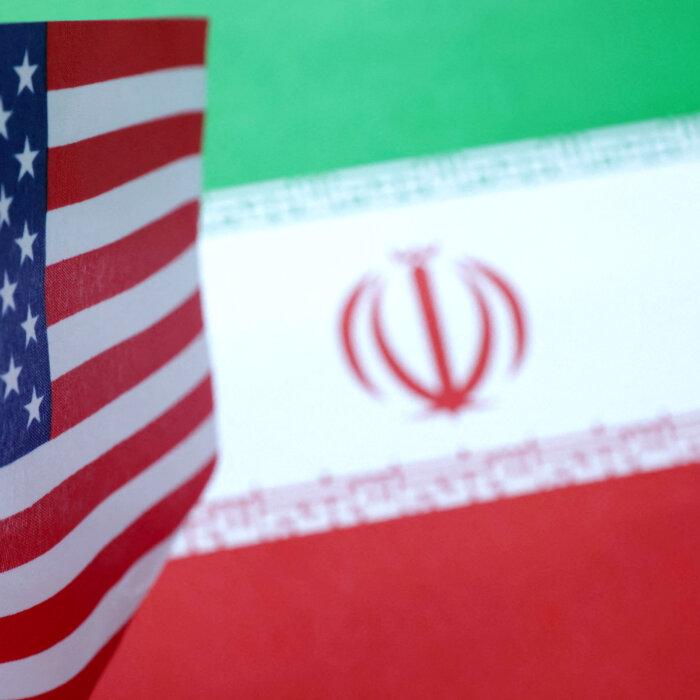
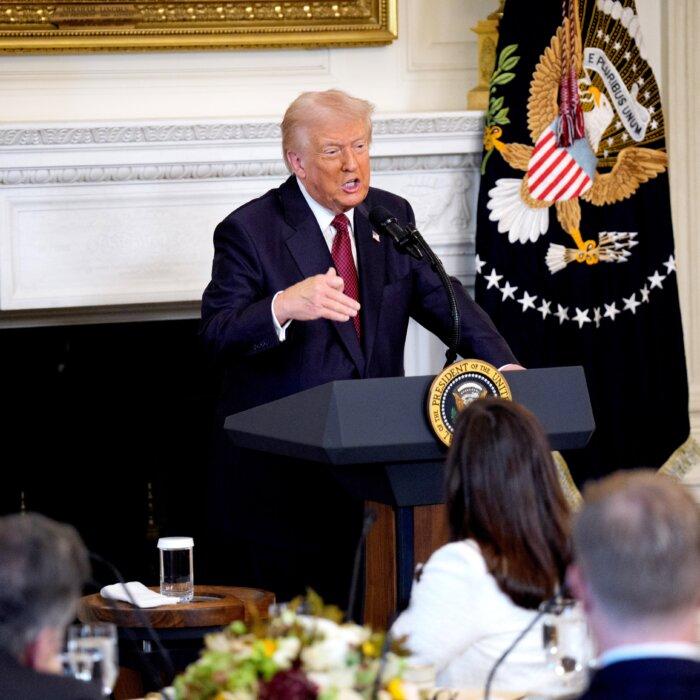
Commenting on the developments, Araghchi said this “sordid sequence of events” showed that the United States and the E3 were actively pursuing escalation.
He said that “Iran is not the party that seeks to manufacture another crisis,” and that the “official termination of the Cairo Agreement is the direct outcome of their provocations.”
Resolution Orders Expanded Reporting and Access
The IAEA Board of Governors resolution requires the agency’s director general, Rafael Mariano Grossi, to report quarterly to the board and the U.N. Security Council with details on the verification of Iran’s uranium stockpile, including the locations, quantities, chemical forms, and enrichment levels, and the inventories of centrifuges and related equipment.“The Agency’s 5-month-long lack of access to this nuclear material in Iran means the material’s verification—according to standard safeguards practice—is long overdue,” he added.
The resolution also reaffirmed Iran’s right to peaceful nuclear energy if it complies with its obligations, and called on Tehran to return to diplomacy.
“It restores certainty and provides a clear mandate for Agency reporting, returning to the same reporting the Agency carried out before the JCPOA, under a single agenda item,” she said.
“This clarity is essential for the Agency to be able to fulfil its mandate.”
Kitsell urged Iran to resolve its safeguards issues without delay and cooperate with the IAEA.