Australia’s annual inflation rate has jumped to 3.8 percent in October, dashing expectations of a pre-Christmas rate cut and signalling a harder finish to the year for households.
The latest Monthly Consumer Price Index (CPI), released by the Australian Bureau of Statistics (ABS), shows inflation rising from 3.6 percent in September—its second straight monthly increase and a reversal of the easing seen earlier in 2025.
Trimmed mean inflation, a key measure watched by the RBA, also moved higher—from 3.2 percent in September to 3.3 percent in October—indicating the rise in prices was broadening.
The RBA meets for the final time this year in two weeks and the renewed rise in inflation is widely expected to keep further reductions off the table.
Housing, Electricity Lead the Surge
Housing remained the strongest contributor to inflation, rising 5.9 percent over the year.Australia’s steep rise in housing costs has been sharpened by the government’s expanded first-homebuyer deposit scheme, which lets eligible buyers enter the market with just a 5 percent deposit while avoiding lenders’ mortgage insurance.

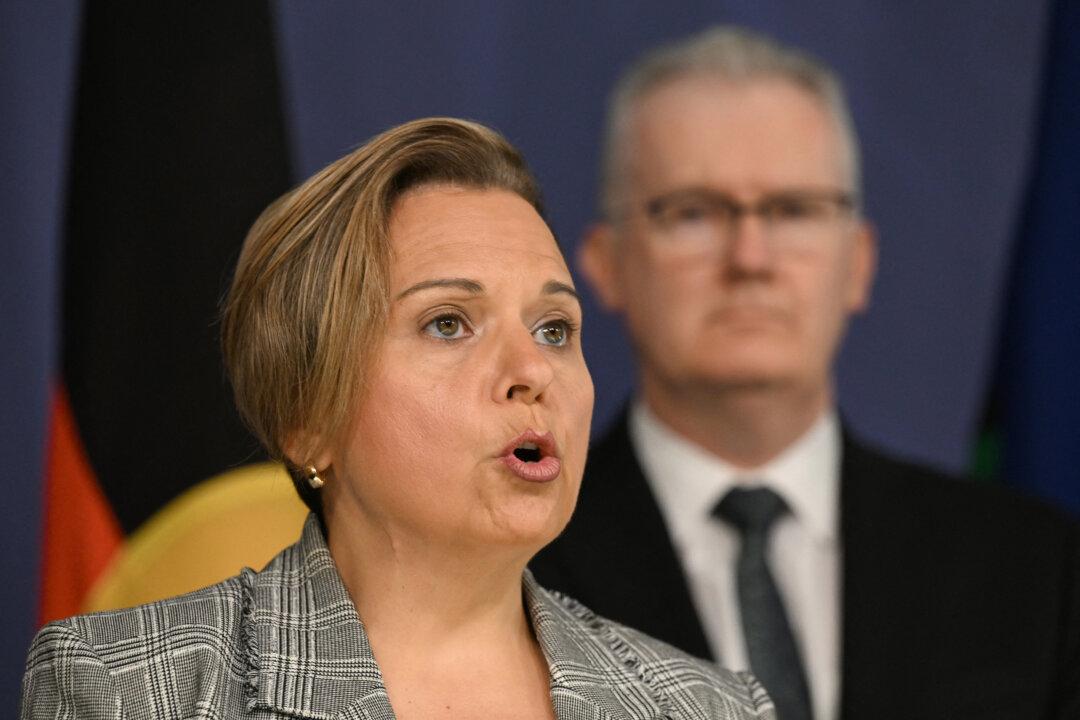
National prices jumped 1.1 percent in October—well above Treasury’s forecasts—prompting concerns that the policy has fuelled demand. Housing Minister Clare O’Neil argues the surge reflects 40 years of structural pressures, not the scheme itself.
Electricity prices are a close second, soaring 37.1 percent. This was driven heavily by the expiry of state government rebates in Queensland and Western Australia and by the timing of the Commonwealth’s Energy Bill Relief Fund, which delivered lump-sum catch-up payments.
When taking rebates out of the equation, electricity prices were still up 5 percent, reflecting the annual retail price resets in July.
Food, Travel, Health Costs
Food and non-alcoholic beverages rose 3.2 percent over the year, supported by persistent increases in the cost of meals out and takeaway food, which were up 3.6 percent.Meat and seafood prices climbed 3.8 percent, fuelled by strong overseas demand for Australian beef and lamb.
Fruit and vegetable prices also increased 1.8 percent, including a sharp 3 percent rise in October for items such as strawberries, raspberries, and apples.
Recreation and culture, another major category, rose 3.2 percent. Domestic travel was a major driver, up 5.9 percent in October as school holidays and major sporting events pushed up demand for airfares and accommodation.
Despite the broad lift in prices, a few categories helped soften the overall CPI rise.
Fuel costs continued to ease, reflecting lower global oil prices and improved supply conditions.
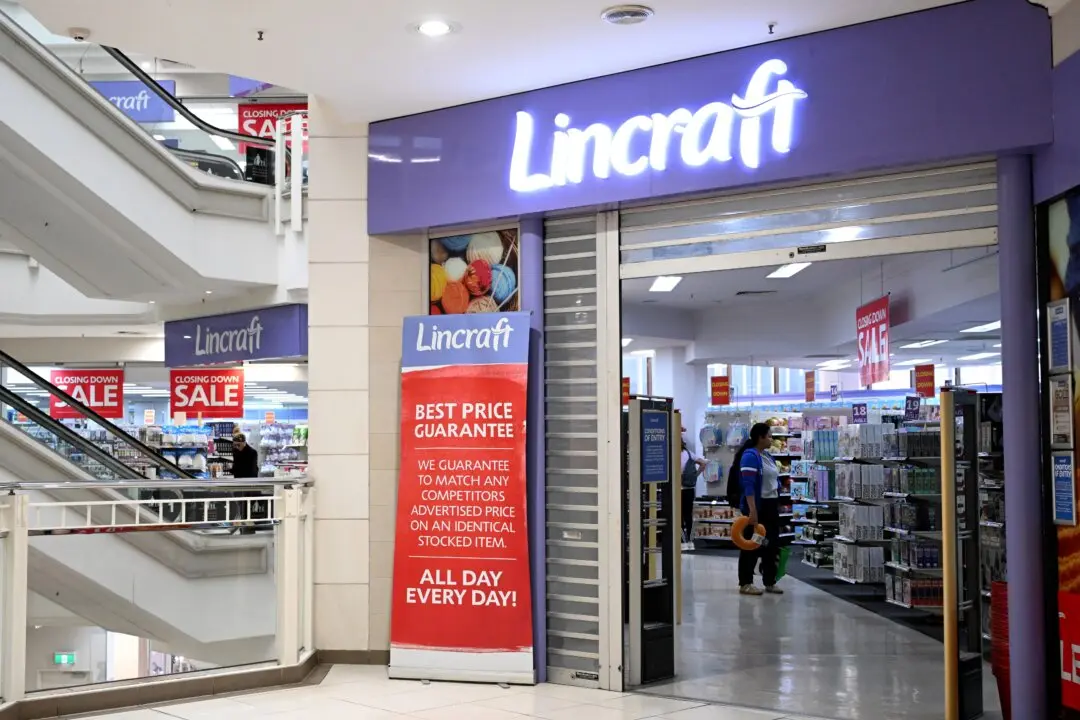
Some household goods also dipped as retailers moved excess stock and discounting returned to pre-pandemic patterns.
These declines, however, were not enough to counter sharp increases in electricity, rents and travel, which drove inflation higher in October.
Political Firestorm
Shadow Treasurer Ted O’Brien seized on the numbers within minutes, posting “Jimflation!” on X and arguing that rising energy costs were a direct result of government policy.He told Sky News Australia that the end of state energy rebates had heavily inflated the headline figure.
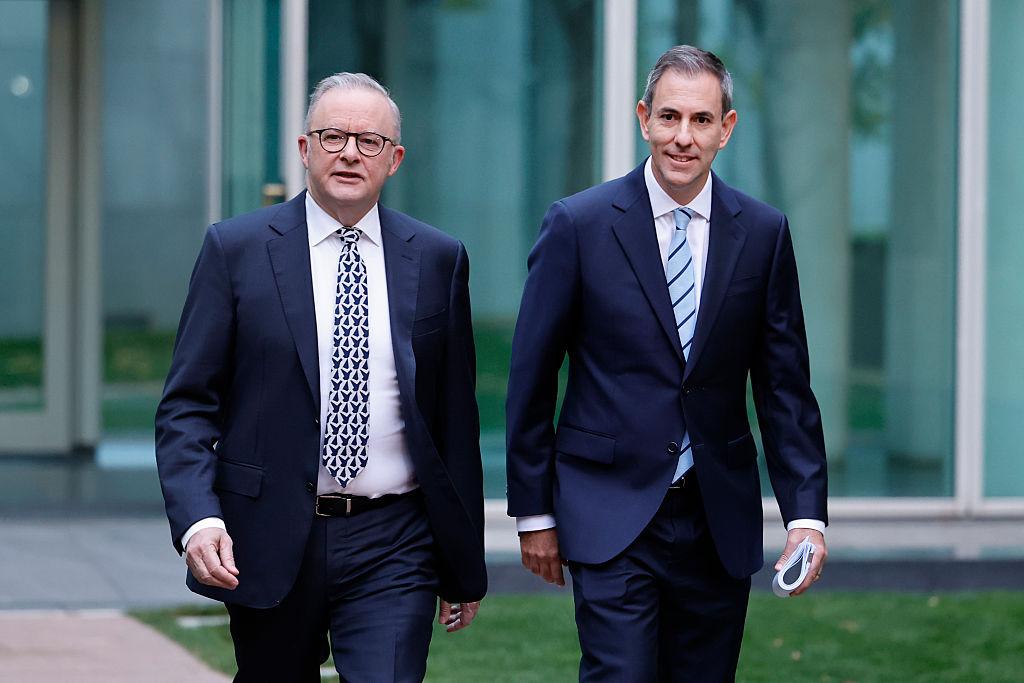
Treasurer Jim Chalmers dismissed suggestions that government spending was driving inflation, saying there was “no evidence” to support the claim.
“We’ve got the budget in substantially better nick than we inherited from our opponents,” he said, noting that inflation was still “substantially lower” than when Labor took office.
Inflation Dominates Question Time
The figures also dominated question time in Parliament, where Opposition Leader Sussan Ley accused the government of losing control after two consecutive monthly increases, despite the prime minister’s claim that the economy had “turned a corner.”Anthony Albanese argued the rebound was largely due to the end of state-level electricity subsidies and said inflation was still well below the highs of 2022.