Canada’s inflation rate rose to 3.2 percent in May, with higher energy prices stemming from the war in Iran again driving the increase, according to Statistics Canada.
The country’s Consumer Price Index (CPI), which was at 2.8 percent in April and 2.4 percent in March, is now higher than the Bank of Canada’s target range of between 1 percent and 3 percent.
While a memorandum of understanding signed by the United States and Iran last week called for the strait to be re-opened, shipping volumes have still been reduced, and Iran announced on June 20 that it was closing the strait again due to continued Israeli attacks on Lebanon.
The price of West Texas Intermediate (WTI) rose to US$110 immediately following Iran’s closure of the waterway, but has since fallen back down to around $US80.
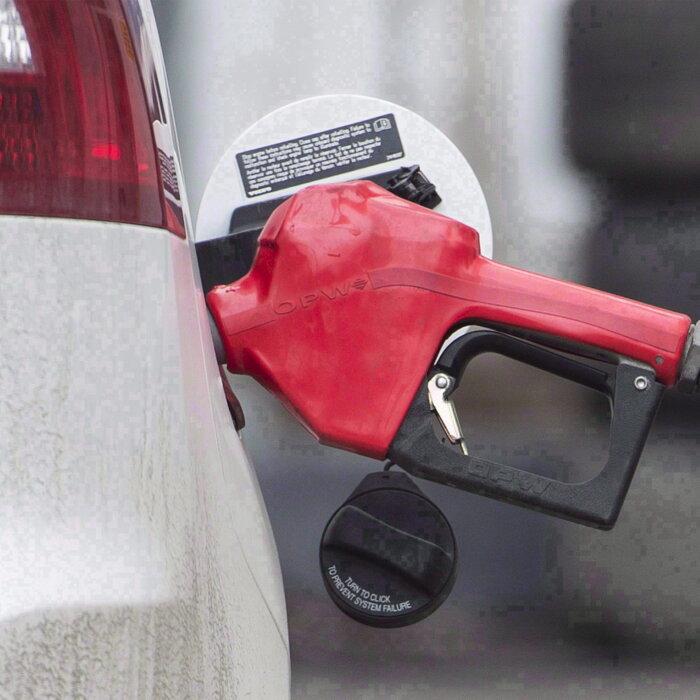
StatCan said Canadians paid the “highest prices for gasoline since June 2022, when Russia’s invasion of Ukraine created supply uncertainty.” The outset of that conflict saw WTI rise to US$120.
StatCan said food inflation rose by 4.3 percent in May after rising by 3.5 percent in April, which marked the 16th consecutive month food inflation has “outpaced headline inflation on a year-over-year basis.” Fresh fruit prices rose by 5.3 percent compared to a decline of 0.5 percent in April on a year-over-year basis, while fresh vegetables increased 9 percent in May after a 4.1 percent rise in April.
Shelter prices rose by 1.7 percent in May after a 1.8 percent increase in April. The growth of rental prices slowed in May, rising by 3.5 percent after a 3.6 percent increase the prior month.
The price growth for durable goods was at 1.9 percent in both April and May. While computer equipment and software rose by 3.9 percent in May after a 0.2 percent fall in April, household appliance prices fell by 5.7 percent, prices for passenger vehicles rose by 2.5 percent, and the prices of tools and other household equipment rose by 1.1 percent.
Bank of Canada Projections
In its April Monetary Policy Report, the Bank of Canada said that if oil prices remained at US$100 per barrel through 2028, inflation would peak at 3.1 per cent in early 2027 and remain near three per cent for more than a year, likely prompting interest rate hikes to contain price pressures.Porter said the fall in gasoline prices would likely lower Canada’s inflation rate in June. “Still, the persistence of food inflation is a significant thorn, and we have to rate this one as a mild disappointment overall. It’s never good news to see the overall inflation rate track above 3 percent, even if it is for one month only,” Porter said.
Conservative Leader Pierre Poilievre told reporters that the StatCan report shows Canada has the “worst food price inflation” in the G7. “The Carney Liberals continue inflationary policies that drive up costs here at home. We need to reverse those policies and make Canada affordable,” he said.