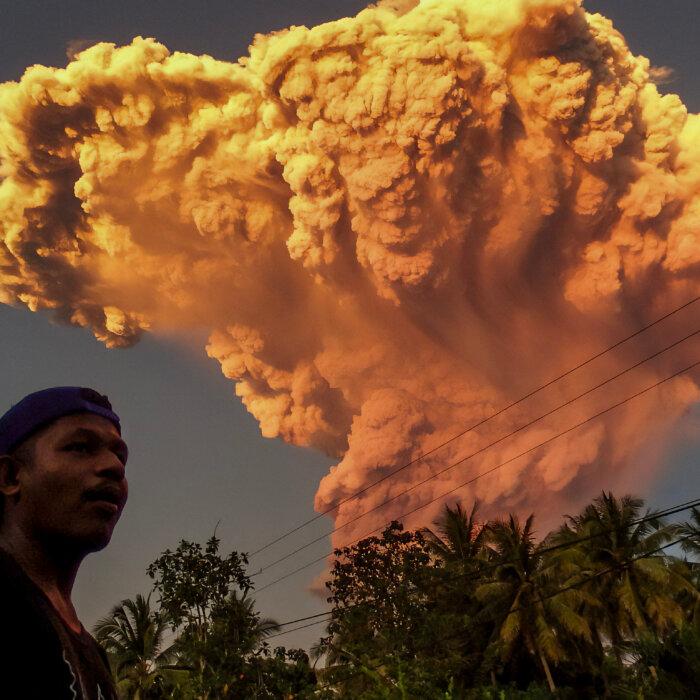
Flights between Australia and Bali have been disrupted once again after Indonesia’s Mount Lewotobi Laki-Laki erupted on July 7, sending volcanic ash soaring 18 kilometres into the sky.
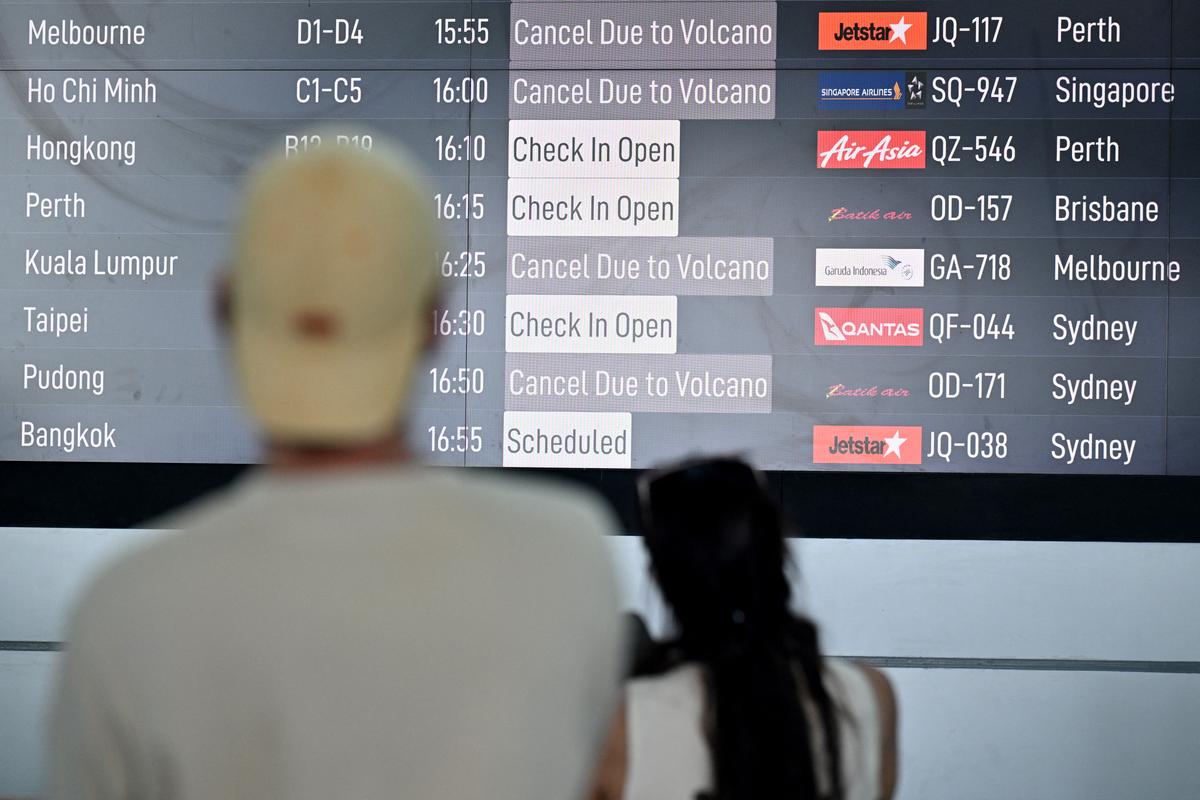
At least five return international flights were cancelled, with several more delayed due to the eruption—Mount Lewotobi’s second in under a month.
The massive plume of ash and debris forced Indonesian authorities to raise their highest emergency alert for the volcano, located on the tourist island of Flores.
MAGMA, the country’s geohazard agency, reported an explosive release of hot gas clouds racing down the mountain slopes during the event.
“An eruption of Lewotobi Laki-Laki Volcano occurred … with the observed ash column height reaching approximately 18,000 metres above the summit,” the agency said in a statement.
While no injuries or damage have been reported, MAGMA warned that heavy rainfall could trigger dangerous lahar floods—fast-moving rivers of volcanic debris—posing a risk to river-side communities.
Airlines Cancel and Delay Services
The eruption caused widespread disruption to air travel.Virgin Australia cancelled at least three international flights to Bali and warned of further delays depending on how the ash cloud shifts overnight.
Qantas also confirmed delays for flights QF43 from Sydney and QF45 from Melbourne to Denpasar. Jetstar cancelled two Bali-bound flights—JQ106 and JQ116—scheduled to depart Perth on Monday afternoon.
Multiple Eruptions, Past Fatalities, and Ongoing Alerts
Mount Lewotobi Laki-Laki, a 1,584-metre twin-peaked volcano alongside Mount Lewotobi Perempuan in East Flores, has a long history of activity.Monday’s eruption comes just weeks after a previous blast on June 18, which disrupted about three dozen flights and prompted authorities to expand the exclusion zone to 7 kilometres.

The volcano also erupted multiple times in November last year, killing nine people and forcing thousands to evacuate. That series of eruptions led to widespread ash fall, the cancellation of international flights, and the temporary displacement of local communities.
Indonesia’s geology agency continues to describe activity at the volcano as “very high,” marked by regular explosions and tremors.
Agency head Muhammad Wafid has advised residents to stay at least 6 kilometres from the summit and to wear face masks to protect themselves from ash inhalation.
With the current alert level still in place and ash cloud movements unpredictable, authorities and airlines remain on high alert.