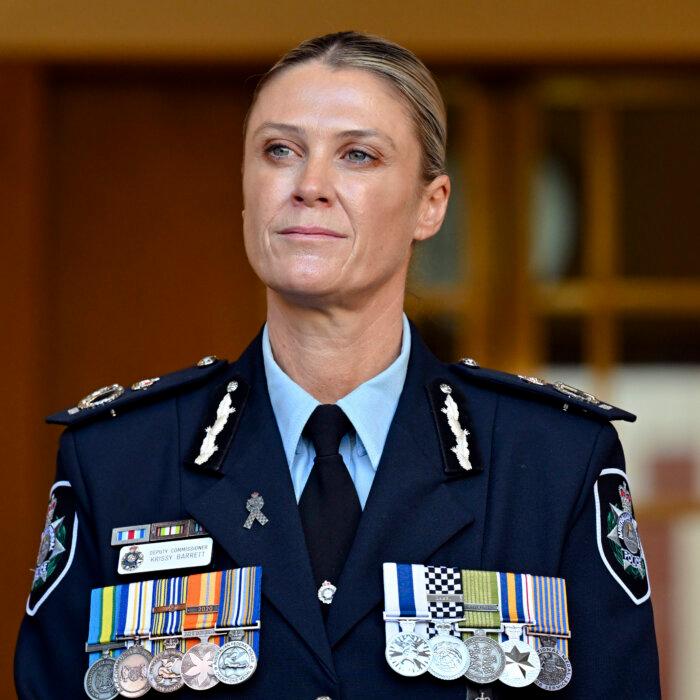
AFP Commissioner Krissy Barrett will use this week’s INTERPOL General Assembly in Morocco to call for stronger international cooperation against illicit tobacco trafficking and extremist groups targeting Australia.
Barrett will meet more than 20 police chiefs on the sidelines of the 93rd Assembly, pushing for deeper intelligence sharing to disrupt offshore syndicates before they reach Australian borders.
“INTERPOL is an incredibly important strand in our national security framework, and it ensures the AFP is connected to the world, which is being tested by grey zone warfare and outright aggression,’’ Commissioner Barrett said in a statement released on Nov. 24.
Crackdown on Illicit Tobacco
Barrett said she will ask police leaders across Asia and the Middle East to intensify efforts against tobacco smuggling networks.She warned that Australia’s appetite for illicit, addictive commodities is driving criminal activity at home and in the Pacific.
“And it is unfortunate that to meet this demand, organised crime is using the Pacific as a transit point … This is impacting on the health of Pacific Island communities and attracting organised crime within the region.”

Neo-Nazi Intelligence Push
Barrett said the AFP’s global footprint—with officers permanently stationed in more than 30 countries—allows Australia to work closely with overseas agencies to stop threats before they reach Australian borders.
“I will also ask relevant partners to share more information about hate groups, including Nazi supporters, and to provide advice from their lessons learned over the years,” she said.
She added that safeguarding social cohesion remains a core priority: the AFP will “disrupt and act against offenders who damage our social fabric and create hatred, division and violence targeted at marginalised communities.”
During the Assembly, the AFP will sign new cooperation agreements with the Maldives Police Service, the UK National Crime Authority, the Netherlands Police, and the Sri Lanka Police.Bipartisan Backing at Home
In federal parliament, Home Affairs Minister Tony Burke said Barrett’s trip would help secure critical intelligence on extremist movements.He referenced the recent neo-Nazi rally outside NSW Parliament, and the deportation of South African citizen Matthew Gruter, who took part in it.
“We’re setting a standard for Australia. The last thing people want is for the conflicts or hatreds of overseas to be imported here,” Burke said.
Opposition MP Alex Hawke offered bipartisan support, praising the government’s swift action against the South African national.
“We stand ready to assist the government … to make sure these extremists are tackled every way possible,” he told parliament.