
Some “very detailed” measures to verify Iran’s nuclear activities must be included in any potential U.S.–Iran agreement to end the war in the Middle East, International Atomic Energy Agency (IAEA) Director General Rafael Grossi said on April 15.
The U.N. nuclear watchdog chief emphasized that thorough verification of the Iranian regime’s atomic activities would be required when the U.S.–Israeli war with the Islamic Republic of Iran comes to a close.
“Iran has a very ambitious, wide nuclear program, so all of that will require the presence of IAEA inspectors,” Grossi told reporters in Seoul, South Korea.
“Otherwise, you will not have an agreement,” he noted, saying that any accord on nuclear technology “requires very detailed verification mechanisms.”
“You will have an illusion of an agreement,” Grossi said.
He also said that determining the length of a moratorium on Iran’s uranium enrichment was a political decision.
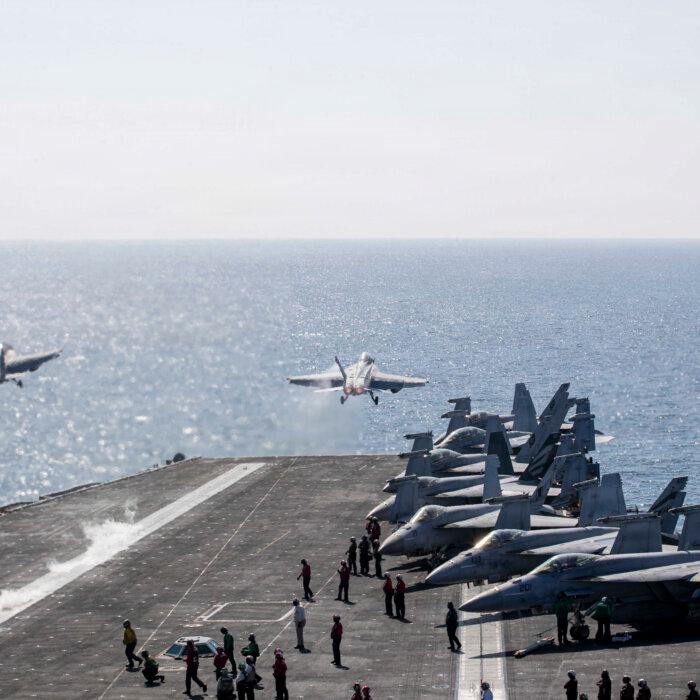
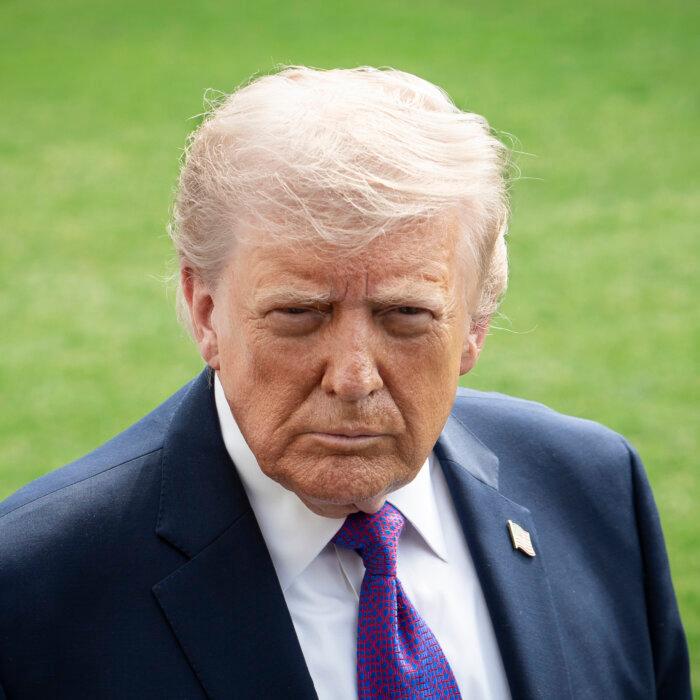
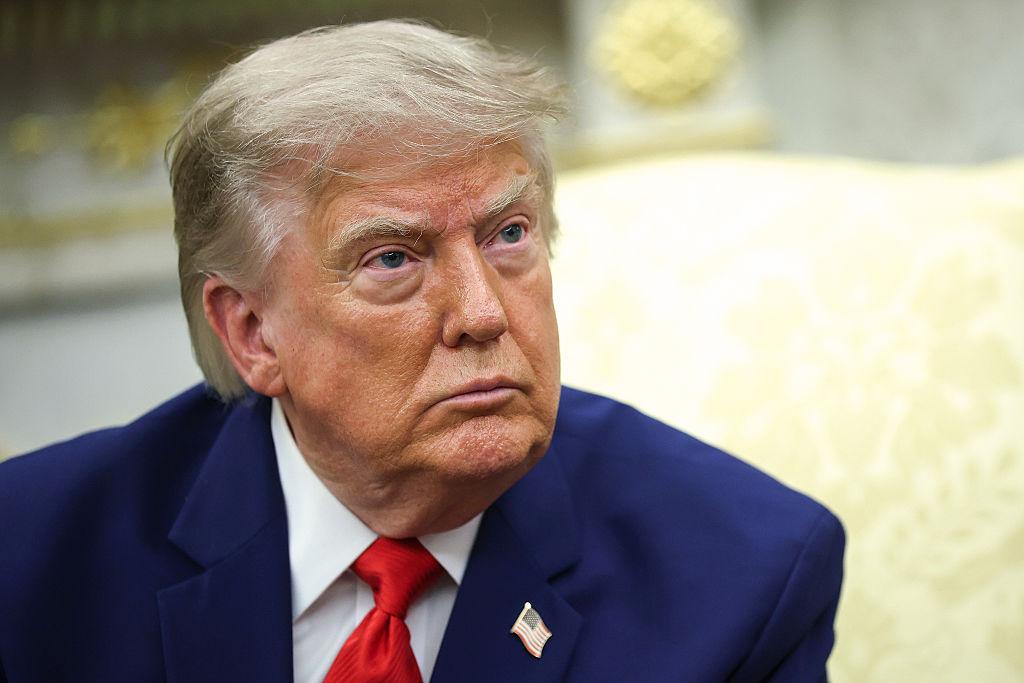
In a phone interview with the New York Post, Trump said negotiations to end the war in Iran were moving “a little bit slow” and initially suggested that direct talks with Iranian officials could take place in Europe.
The president later called back to say the talks could instead take place in Islamabad, according to the report.
“You should stay there, really, because something could be happening over the next two days, and we’re more inclined to go there,” Trump told the New York Post.
American and Iranian representatives ended talks over the weekend in the Pakistani capital without agreeing on how long Tehran would suspend uranium enrichment.
The administration has made it clear that preventing Iran from gaining a nuclear weapon is a key aim of the war. Iran has frequently denied developing such armaments and has rejected limits on its nuclear program.
That stockpile could be sufficient for as many as 10 nuclear weapons if further enriched and weaponized, Grossi said last year.
Iran has long maintained that its nuclear program is peaceful, but the IAEA and Western governments say Tehran operated an organized weapons program until 2003.
IAEA inspectors have not been able to verify the status of Iran’s near-weapons-grade uranium since June 2025, when Israeli and U.S. strikes significantly degraded Iran’s air defenses, its military leadership, and parts of its nuclear infrastructure, while also halting inspections.
North Korea
Grossi is in the South Korean capital on an official visit amid increased tensions between South Korea and North Korea.During his visit, he warned that Pyongyang had likely achieved a “serious increase” in its nuclear capabilities, saying that the IAEA had observed the construction of a new facility, which suggests that the reclusive communist regime has significantly expanded its nuclear enrichment capacity.