In a statement, the U.S. Embassy in Wellington described the purpose of the new office as working “to investigate and disrupt a wide range of threats and criminal activities, including terrorism, cybercrime and fraud, organised crime and money laundering, child exploitation, and foreign intelligence threats.”
After towing it to Pape'ete, the capital of Tahiti, and dismantling it, over 700 kilograms of drugs were found concealed in the boat’s structure. In total, 1,646.8 kilograms of cocaine and 232.4 kilograms of methamphetamine were seized from the boat.
Shipment Believed to be Bound For Australia
The yacht was believed to have left Mexico and to be headed to Australia via Tonga. The three men onboard, a German skipper and two Dutch nationals, remain in custody, local Public Prosecutor Solène Belaouar said in a statement on Aug. 2.
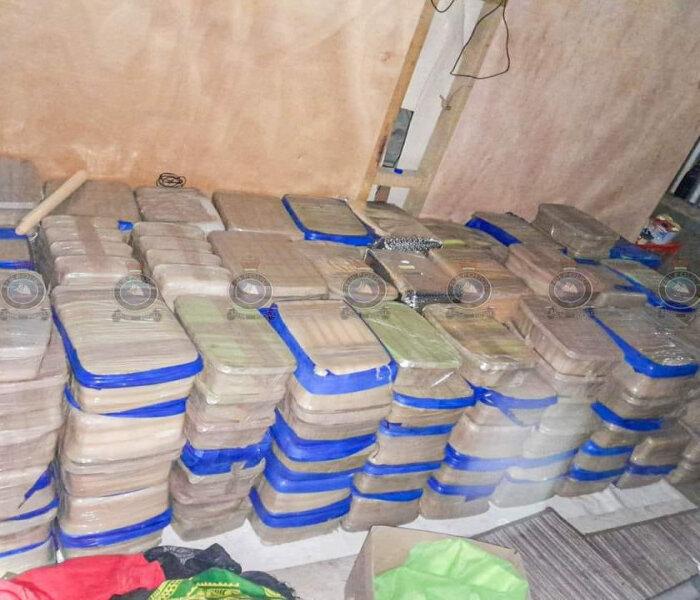
He said French authorities regularly share intelligence with law enforcement agencies in the United States, Australia, and New Zealand.
Echoing Patel’s warning, he said the Pacific is now a major transit area between narcotic production in South America and users in Australia, which has emerged as a major market, as well as to New Zealand and Asia.
Organised crime syndicates from Southeast Asia are also using the Pacific Islands, including Papua New Guinea, as transit points to ship opium-based drugs and methamphetamines to the U.S. market.
Smugglers were now using all kinds of transport modes: air, sea, onboard containers, and sailboats, Puccetti said. “On each of these vectors, we are vigilant,” he said.
New Caledonia’s Divisional Head of Customs, Hervé Matho, told local media, “In terms of cocaine consumption, the U.S. market is now saturated. That’s why traffickers are searching for new markets, [in] Europe and, in the Pacific region, Australia and New Zealand.”