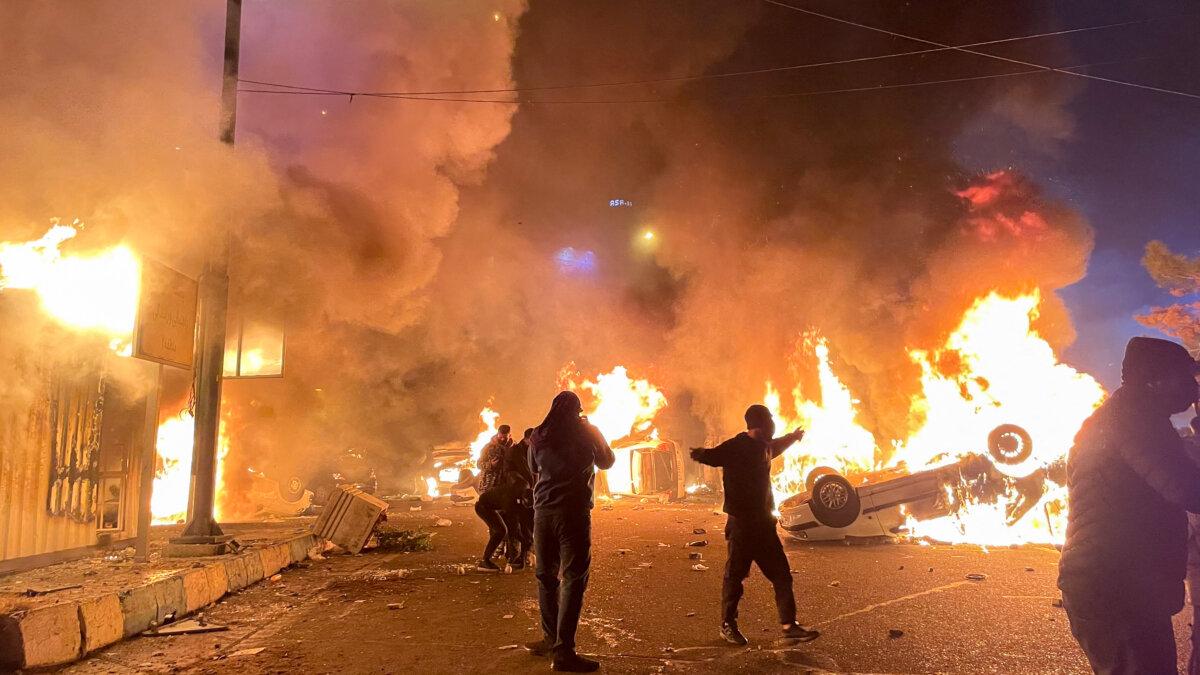
Exiled Iranian Crown Prince Reza Pahlavi, whose name has been increasingly chanted in Iranian protests, similarly urged Iranians in the early hours of Feb. 28 to shelter during the strikes, then emerge into the streets to overthrow the Islamic Republic.
With a regime apparatus well entrenched and enriched by oil money after 47 years in power, that would seem to be a formidable feat for unarmed Iranians.
But New York-based Iran analyst Arya Kangarlu, who predicted the imminence of the U.S.–Israel strike, says that by the end of the war, and given previous U.S.–Israeli operations, Iran’s nuclear, missile, and regional proxy capabilities will be obliterated. That, combined with the targeted killing of the Islamic Republic’s leadership by the United States and Israel, will effectively cripple the regime, paving the way for people to topple it, he said.
“Once it lacks these capabilities, then it’s no longer the Islamic Republic as we know it,” he said in an interview with the Persian edition of The Epoch Times.

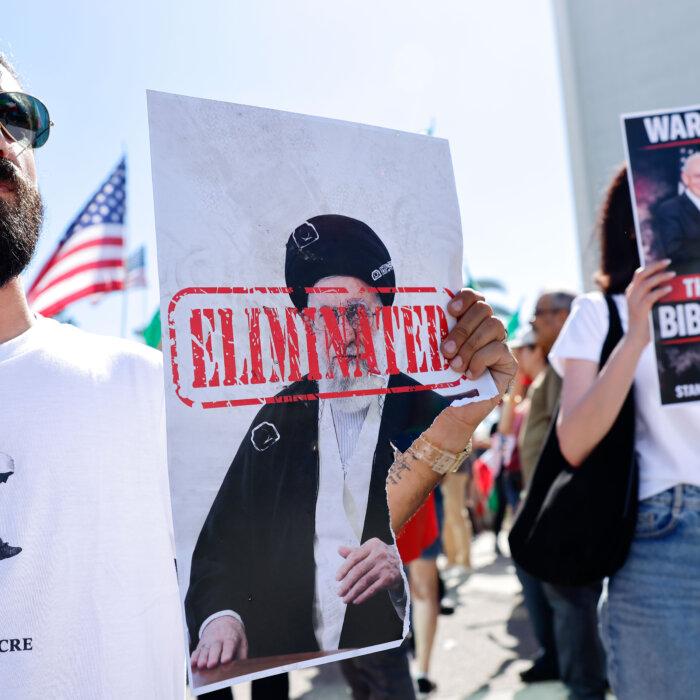
Hours into the strikes, U.S. and Israeli officials announced that Iranian leader Ali Khamenei had been killed and multiple strategic sites for the regime had been hit.
Shahram Kholdi, a Canada-based international relations university lecturer, said that there are very few precedents for this latest conflict to draw on, adding that there are a number of factors that could influence the outcome and duration of the war.
Among them are regional pressures, sources of funds for the regime, how well high-ranking officials can dodge the targeted attacks, and broader geopolitical factors, including the resolve Trump wants to show to adversaries such as China and Russia, he said.
Operation Epic Fury
The U.S. Central Command has said that targets of the joint strike, dubbed Operation Epic Fury, include the IRGC command centers, Iran’s air defense capabilities, military airfields, and missile and drone launch sites.Ahead of the strike, which was carried out after talks about Iran’s nuclear program failed, the United States had brought in a large fleet of fighter jets and more than 10,000 troops to the region. Washington had also dispatched the USS Abraham Lincoln and three guided-missile destroyers to the region in January and moved the USS Gerald R. Ford, the world’s largest aircraft carrier, and four accompanying destroyers from the Caribbean closer to Iran.
The United States has a number of military bases in Gulf states surrounding Iran, including in Bahrain, Qatar, Kuwait, the United Arab Emirates, Iraq, Saudi Arabia, and Jordan.
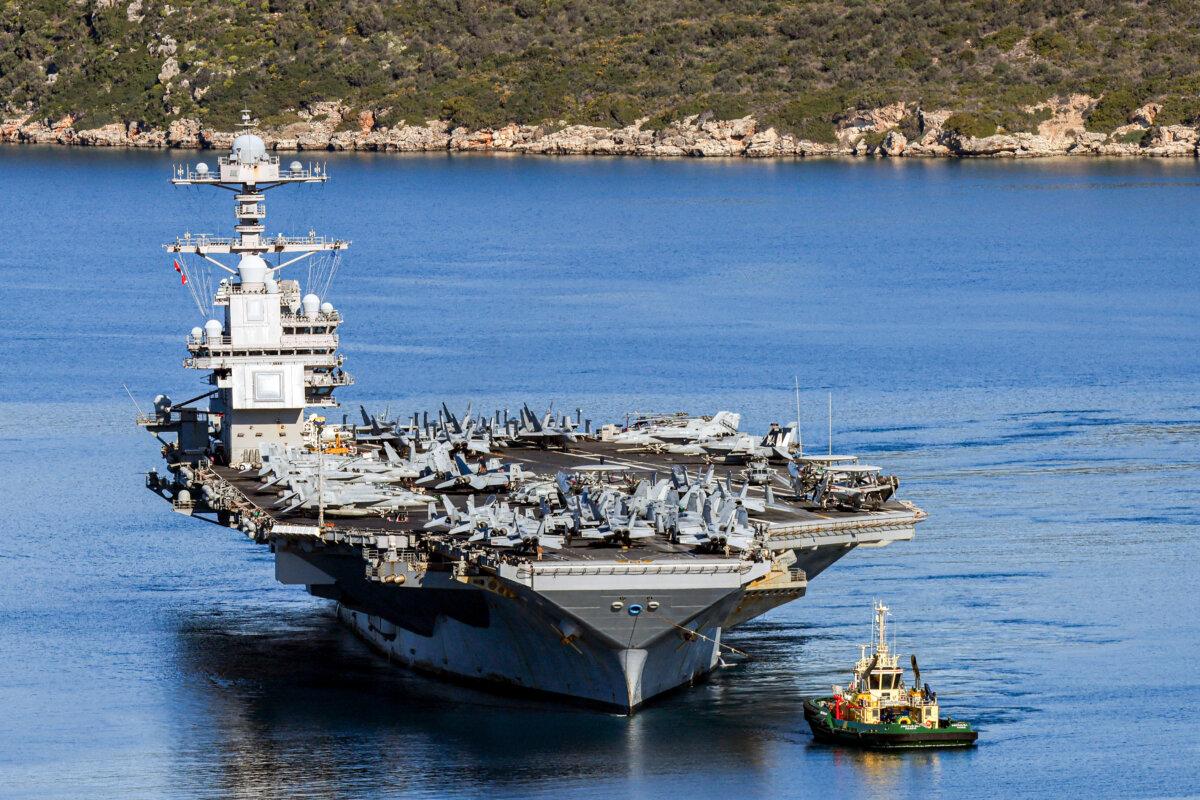
The strike against Iran comes after the Twelve-Day War in June 2025, in which Israel bombed military and nuclear facilities and high-ranking officials in Iran. The United States provided assistance and bombed three key Iranian nuclear sites. Iran responded by targeting Israel and a U.S. base in Qatar with missiles and drones.
Toppling the Regime
Kangarlu said Washington’s plan is to keep hitting the Islamic Republic to the point that “there would be no one left to command” the security forces to crack down on people, making it safe for Iranians to come out and take over governmental buildings.He says that’s similar to how Israel targeted terrorist organizations such as Hezbollah in the aftermath of the Oct. 7, 2023, Hamas terrorist attack, eliminating multiple layers of the leadership to incapacitate the organization.
“What [the Islamic Republic’s] security forces will face in the coming days will be terrifying,“ he said. ”They will witness the deaths of all the regime’s leaders.”
This, he said, will sap the forces’ will and ability to continue and, combined with the collapse of the chain of command, render them incapable of suppressing the people.
He said that immediately after the Twelve-Day War, when the regime was weakened, there were no wide-scale protests. And during the latest mass protests, which ended in January, there was no strike by the United States and Israel in support.
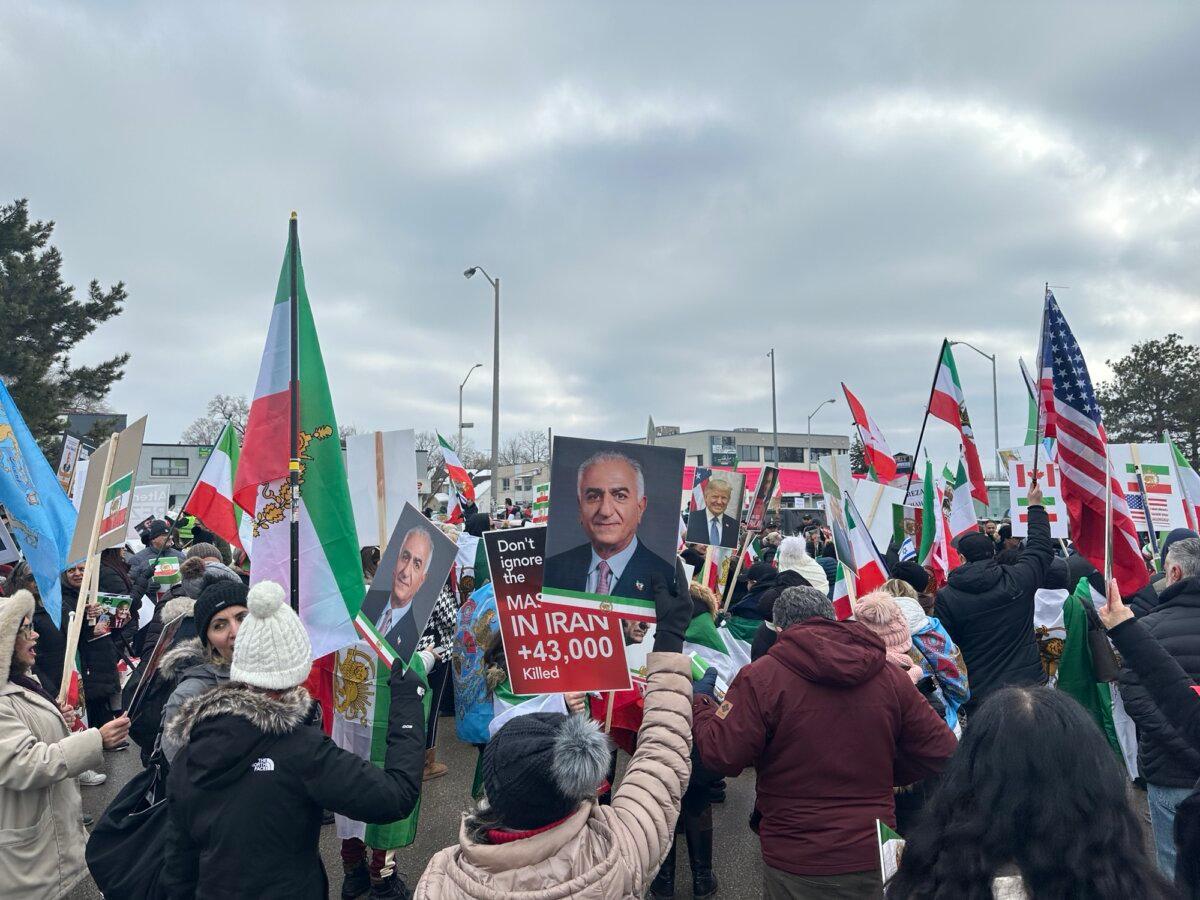
What’s different this time, he said, is that the factors of both outside military force and readiness for protest inside Iran are present, and people won’t let this chance pass.
“They weren’t synchronized before, but now they are,” he said.
Kangarlu said the duration of the war will depend on the extent of Iran’s response. If it continues to barrage civilian areas in neighboring countries hosting U.S. bases, then the United States will escalate its strike, but if Iran shows more restraint, the war could take longer, he said.
Key Factors
Kholdi said the Islamic Republic has made a strategic mistake in agitating its neighbors hosting U.S. military bases by hitting targets within their territories rather than U.S. aircraft carriers.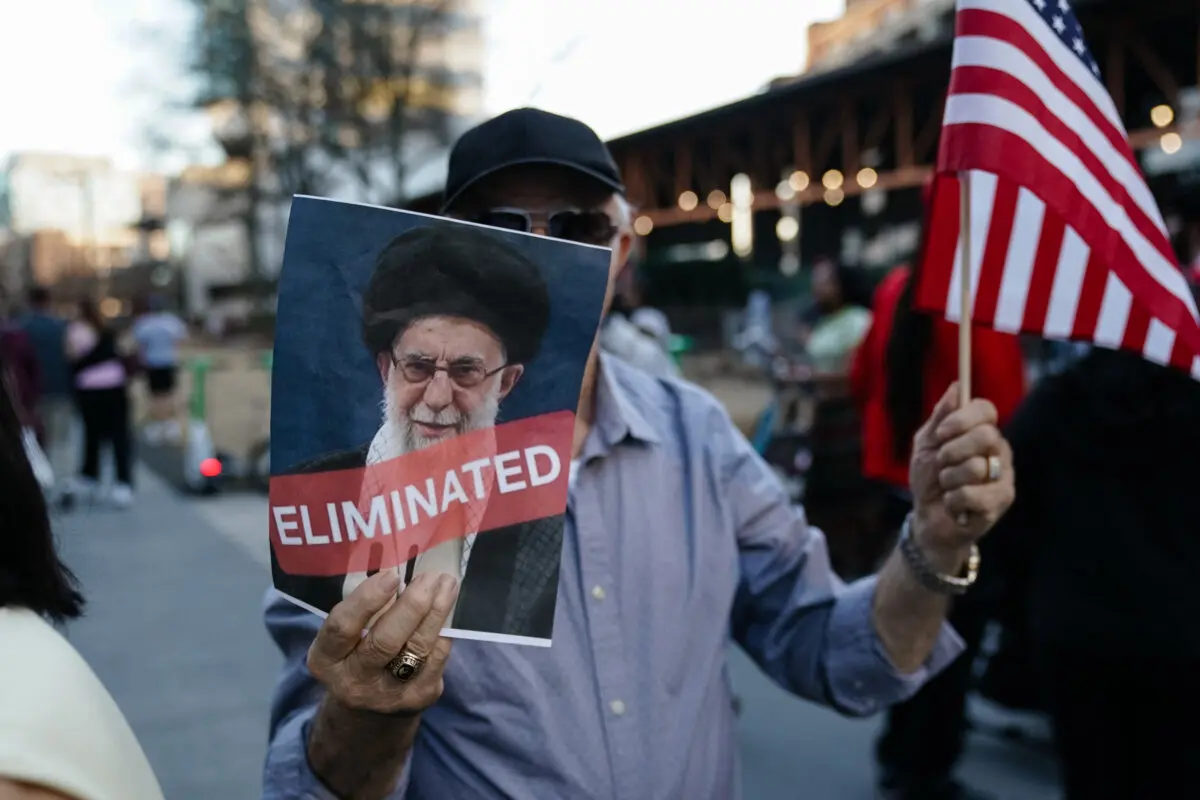
“Why didn’t they try to swarm with all the missiles that they have at the U.S. aircraft carriers in the region? They have enough stuff to be able to swarm the U.S. aircraft carriers,” he said, attributing the decision to incompetence.
“The president of the United States, in fact, has effectively goaded the Islamic Republic into committing this big mistake of attacking the Arab states in the region, because now they can prove, beyond a shadow of a doubt, that this regime presents an existential threat to the whole region’s stability and peace.”
Kholdi said that seeing whether senior officials of the regime defect as the military operation continues is another factor to watch. He said regime officials use different leverage to prevent defection.
“We sometimes forget that members of the armed forces have families and extended families too, and repressive forces of any regime have on file where all these people live,” he said.
“The first thing that anybody, and any member of the armed forces who wants to defect, would like to ensure is the safety of their own family or extended family.”
Another factor, Kholdi said, is that many among the top brass of the regime have amassed great wealth over the years, while the IRGC has morphed into a business mafia with immense resources, and this helps fund the operations of the repressive forces.
Kholdi said that survival will be top of mind for the regime’s leadership.
“They have, I would say, mastered the art of hide-and-seek,” he said. “So the job of eliminating them may require more intelligence-gathering on the ground, and, of course, the involvement of special forces such as the Navy SEALs, for instance, if we come to that point.”
He said that many people in the tribal areas of Central Iran, which regime figures likely hope to use as a refuge, actually despise the Islamic Republic, and this would be another factor against the regime.
Another factor, Kholdi added, is the Trump administration’s resolve to see the operation through.

“In the back of his mind, [Trump] has both Obama and Biden, who behaved in a manner that by historical standards are now judged as historically inept when it came to the civil war in Syria and the usage of chemical weapons, or President Biden withdrawing from Afghanistan,” he said
In the case of Iran, Arab states that are being targeted by the Islamic Republic’s missiles are looking to Trump to finish the job, Kholdi said.
And then there is China, which has “effectively put the South China Sea under siege,” and Russia, which has been “extremely intransigent with respect to making peace with Ukraine,” adding to Trump’s motivation to not let the Islamic Republic off, Kholdi said, lest he lose credibility.
“So Trump has to finish off this job,” he said.