A spokesman for the Iran-aligned Houthi terrorist group in Yemen said on March 28 that the group had entered the Middle East conflict, launching a missile attack against Israel that Tel Aviv said was intercepted.
Yahya Saree, spokesperson for the group’s military wing, said Houthi forces had carried out “the first military operation” using ballistic missiles targeting “sensitive Israeli military sites in southern occupied Palestine,” noting that operations would continue until “the aggression against all fronts of the resistance ceases.”
Although Saree said the strike “successfully achieved its objectives,” the Israeli military described the attack as a single missile launched from Yemen that was intercepted.
“Aerial defense systems intercepted the threat,” the Israel Defense Forces said in a statement, noting that more than 50 Israeli air force fighter jets carried out strikes across Iran on March 28, targeting weapons production sites, including facilities linked to ballistic missiles.
The Houthi attack points to a potential widening of the conflict as U.S. President Donald Trump said his administration is engaged in diplomatic efforts with Iran aimed at securing a cease-fire.

Red Sea Threat Raises Risk of Wider Escalation
The Houthis have cast their actions as part of Iran’s broader “Axis of Resistance” network and have signaled readiness to expand operations beyond Israel.In early March, Houthi leader Abdulmalik al-Houthi said the group was prepared to intervene should developments warrant it.
More recently, Houthis have raised the prospect of renewed attacks in the Red Sea, where previous operations disrupted global shipping during the Gaza war.
In a March 27 statement posted on X, the Houthis’ spokesperson warned that the group would “not allow” the Red Sea to be used for hostile operations by the United States or Israel against Iran, noting that their “fingers are on the trigger for direct military intervention.”
Houthi attacks on vessels in the Red Sea or attempts to block the Bab el-Mandeb Strait would mark a significant escalation, with potential spillover effects on global energy markets and regional security, including renewed tensions with Saudi Arabia.
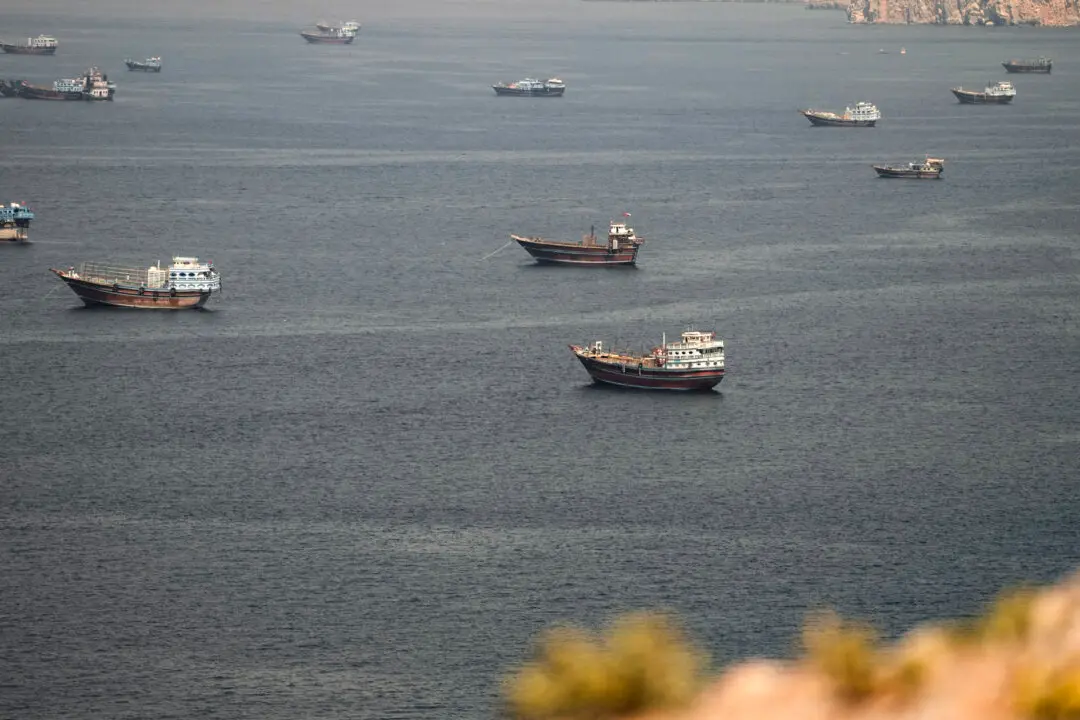
The Iran war has led to major disruption in energy markets, with Iranian actions in the Strait of Hormuz slowing shipments of oil and other key commodities to a trickle, sending crude prices higher and raising fears of global shortages, including of fertilizer and food.
Opening the Strait of Hormuz, through which roughly 20 percent of global oil and gas shipments transit, has been a key focus for Trump as he ramps up both military and diplomatic pressure on Iran.
Part of Broader Regional Alignment
Iran has long projected influence across the Middle East through a network of allied groups operating in the Gaza Strip, Syria, Lebanon, Iraq, and Yemen, some of which have already escalated their activities.Hezbollah, also a U.S.-designated terrorist group, has resumed strikes on Israel, while Iran-aligned militias in Iraq have claimed drone attacks on U.S. bases.
Until now, the Houthis had largely limited their response to statements and demonstrations, making the March 28 missile launch a notable shift toward direct military engagement.
The Iran-backed Houthis seized much of northern Yemen, including Sanaa, in 2014, forcing the internationally recognized government into exile and triggering a Saudi-led intervention the following year. Yemen has since been mired in a protracted, largely stalemated civil war.