The head of Australia’s peak seniors advocacy body has argued the nation’s housing crisis should not be viewed as class warfare between generations, warning that today’s young Australians could become tomorrow’s housing-insecure retirees.
Appearing before the Select Committee on Intergenerational Housing Inequity, Chris Grice, CEO of National Seniors Australia, said housing affordability was a problem that followed people throughout their lives, rather than a constant battle between younger and older generations.
“In our view, ‘intergenerational’ is the wrong framing to consider housing inequity,” Grice told the inquiry on June 15.
“Housing inequity exists between generations, but also within generations. We are increasingly seeing people approach and enter retirement—if they can afford to retire—without a home or still with a mortgage, yet the retirement income system, including the aged pension, is predicated on people owning their home outright.”
Grice said this posed a growing challenge because Australia’s retirement, aged care and health systems were largely designed around the assumption that retirees owned their homes.
“Increasingly, this is also the case for aged care and health systems,” he said.
“In recent years, we’ve seen changes that mean seniors will pay more for aged care and pay more for health care.”
He argued that discussions about housing wealth among older Australians often overlooked the financial pressures many retirees face. Citing Australian Taxation Office data, Grice said the median superannuation balance for Australians aged 65 to 69 was about $208,000, meaning a home was often their largest asset.
“Their home, if they have one, would likely be their greatest asset, but this does not make it an unlimited source of funds,” he said.
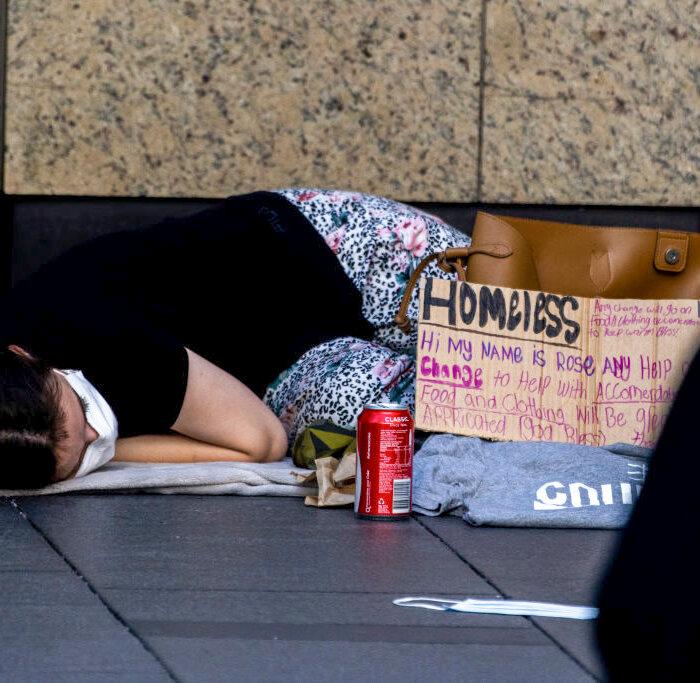
Grice said home ownership was becoming increasingly important as the costs of aged care and healthcare rose, with many Australians likely to rely on housing wealth to access care later in life.
Infrastructure Building Adding Fuel to the Fire
Turning to housing affordability, Grice criticised policies he said increased the debt burden on younger Australians without addressing underlying supply constraints.“Too often, governments have turned to putting debt on younger people to make cheap fixes to complex problems,” he said.
“Expanding the five percent home deposits may sound good at first, but they come with higher interest rates, higher repayments, longer terms, and higher risks.”
Grice also pointed to university debt as an additional burden for young Australians seeking to enter the housing market.
More broadly, he argued governments had prioritised major infrastructure projects over housing construction, saying material costs had risen 39 percent since the end of 2019.
“We suggest it’s because of the [post-pandemic] infrastructure spending by the state and federal governments as they tried to boost the economy coming out of lockdowns, but the spending increased demand for materials and labour, pushing up prices and likely crowding out home construction,” he said.
While acknowledging infrastructure investment was necessary, Grice said governments needed to consider the trade-offs.
“Infrastructure is necessary, but at a time of constraints on material labour and finance, budgets are a matter of choices,” he said.
“While this infrastructure spending would have had economic benefits, as data centre building is currently, this comes at a cost, and AI cannot build a house.”
Greens Argue Young are Worse Off
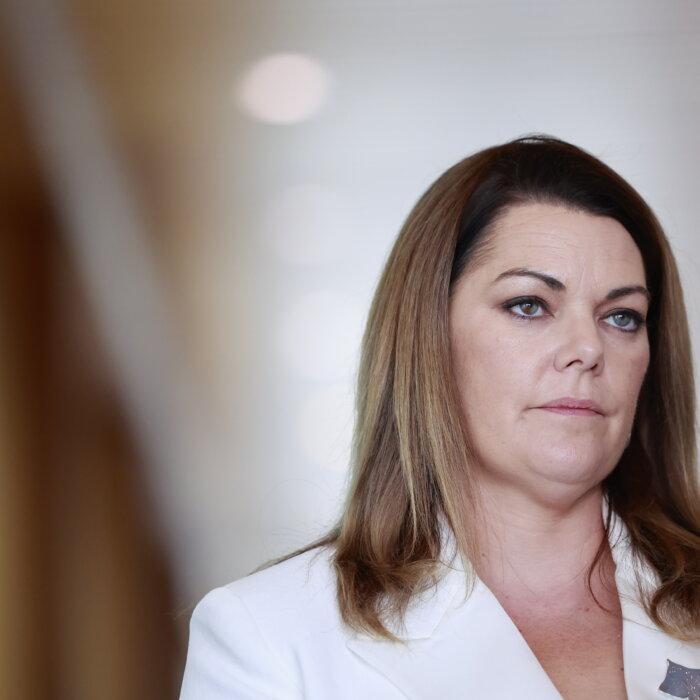
Greens Senator Barbara Pocock acknowledged Grice’s concerns about framing housing as a generational conflict, but argued younger Australians were facing fundamentally tougher circumstances than previous generations.Pointing to higher rents which had increased for each generation, larger university debt, and declining home ownership rates, Pocock said younger Australians were entering the housing market with more financial burdens.
“There are some fundamental things there,” she said, noting it now takes substantially longer to save a housing deposit than it did for baby boomers.
“We know the mortgage picture, it’s huge,” Pocock said.
“It now takes many more years to save a deposit ... for a boomer it was five years, it’s now 10 for a Gen Y.
“Young people come to the position of trying to buy a home now, with a sizeable [university] debt ... a very different labour market experience, less job security across the prospect of a home, which we don’t know how that’s going to pan out.”
Grice agreed that younger Australians faced significant challenges, but argued those pressures would eventually flow through to retirement, creating a larger cohort of older Australians without secure housing.