Canadian home ownership costs will average 52.5 percent of household income this year, up from 38 percent in 2015, as the country faces a “housing crisis,” the federal housing department says.
“Middle-income households across the country are finding it increasingly hard to buy homes,” says the document, which was released by Canada’s housing department on April 30. “These households are often staying in rental housing longer, placing additional pressures on rental supply and increasing rental costs.”
Meanwhile, the federal department says vulnerable populations and lower-income households are struggling to meet their basic housing needs owing to a lack of affordable housing.
The cost to construct a residential building in Canada has shot up 58 percent since 2020, outpacing the overall inflation rate, the document says, adding that zoning laws and planning restrictions limit building high-density housing near infrastructure and transit.

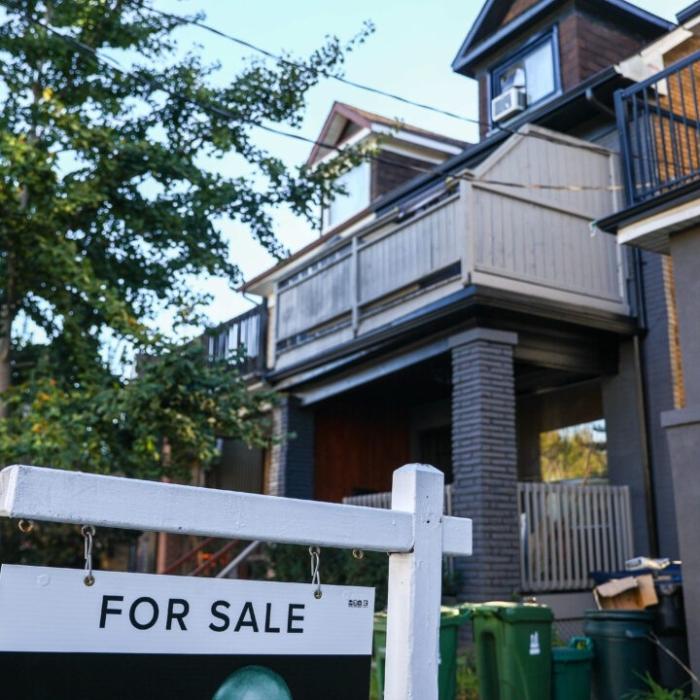
Ontario has the highest average timelines for permit approval with municipalities such as Hamilton at 31 months, Toronto at 25 months, Bradford West Gwillimbury at 24 months, Markham at 23 months, and Pickering and Ottawa both at 17 months, according to a 2024 municipal benchmark study by the Canadian Home Builders’ Association.
Canadian renters have also been facing “significant pressures” due to high demand for rental housing with rental vacancy reaching a historical low in 2023. The demand for rental housing has outpaced the supply in most city centres across Canada, including Vancouver, Edmonton, Calgary, Winnipeg, Hamilton, Toronto, Ottawa, and Montreal.
‘Huge Shortage’
Newly appointed Housing Minister Gregor Robertson suggested shortly after taking office last month that the solution to Canada’s housing crisis is to build more affordable housing.“Our commitment right now, our government, is to double construction and focus on the affordable side,” Robertson said, adding that the federal government hasn’t built affordable housing in decades.
The country would need more than $300 billion in financing every year from 2025 to 2030 for the federal government to meet this housing construction goal, the study found.
During the second reading of the bill in the House of Commons on June 6, Finance Minister François-Philippe Champagne said that Canadians are facing a housing crisis and that the removal of GST meant that the federal government is getting “back into the business of building homes.”