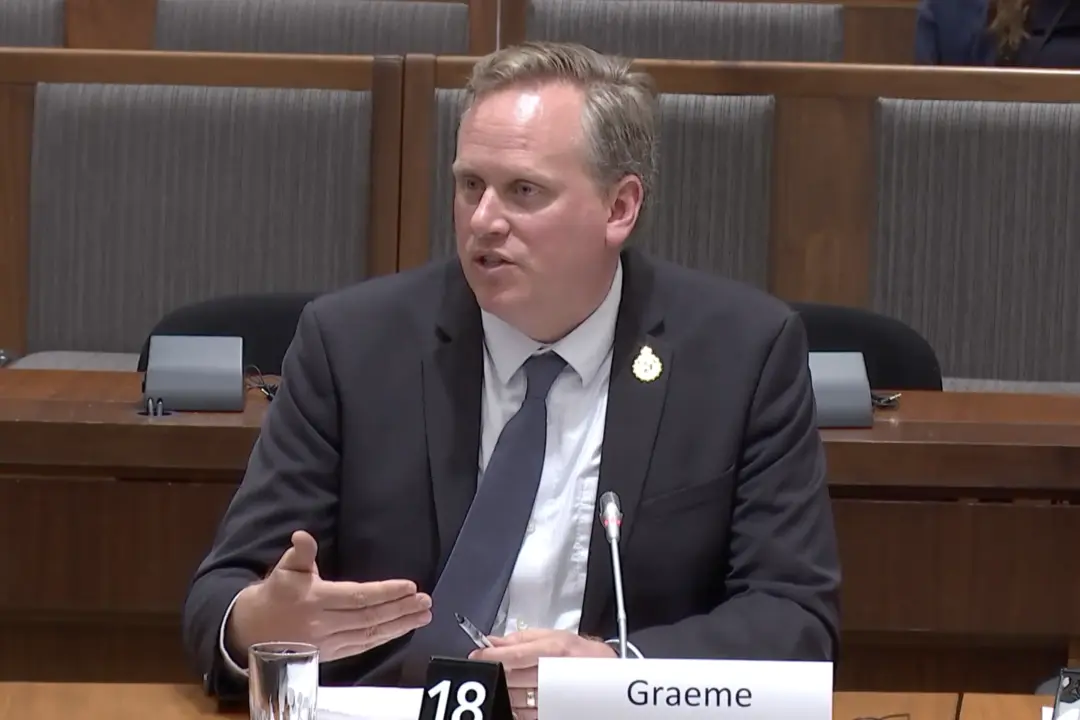
The Liberal government’s bill to amend Canada’s Citizenship Act was adopted in the House of Commons on Nov. 5, and will now go to the Senate after a majority of MPs voted in favour of the bill.

Another amendment would have meant the “substantial connection” to Canada requirement for parents to pass down citizenship would have to take place within five consecutive years, rather than be 1,095 days cumulated over an unspecified timeframe.
Opposition Debate
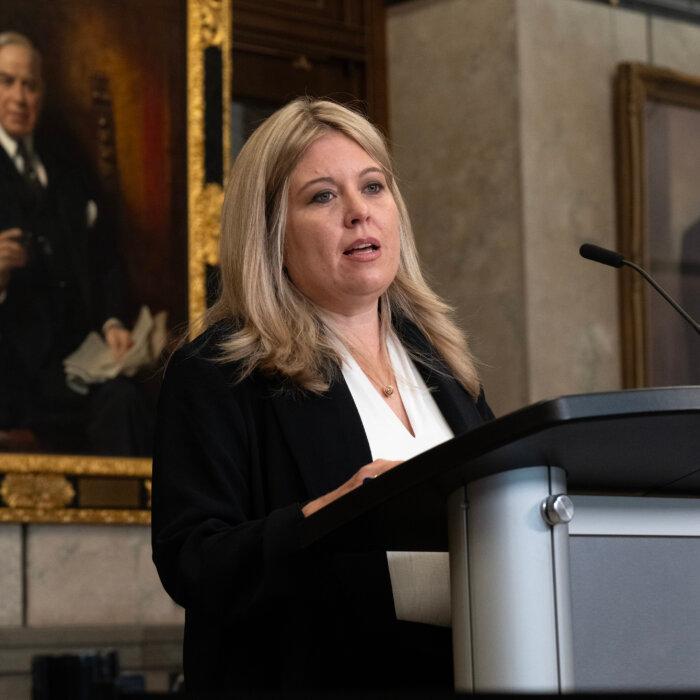
While debating the bill in the House of Commons on Nov. 4, Conservative MP and immigration critic Michelle Rempel Garner said the bill would allow “unfettered chain migration in a very short period of time,” saying the Tories’ amendments were “common sense.”“This bill deals, fundamentally, with the value of Canadian citizenship,” Rempel Garner said. “The reason I cannot support the bill, particularly without those amendments, is that, without national identity, integration is impossible and the collapse of our country is inevitable.”
Rempel Garner said Canadian citizens should be able to speak one of Canada’s official languages and should have to do a citizenship test, and that “there should be no citizens of convenience.” She also said Bill C-3 would “entrench the sense of post-nationalism in the country, further erase our national identity, erode our pluralism and further devalue Canadian citizenship.”
Bloc Québécois MP Xavier Barsalou-Duval said he was disappointed the “reasonable proposals” were rejected by the Liberals, with support from the NDP. He said it’s “logical” that citizenship wouldn’t be given to someone who doesn’t speak the language of the country or who poses a threat to national security.
“We believe that citizenship is not a prize to be given out in a box of cereal or handed out like candy on Halloween. We believe it should be taken seriously, so we proposed some amendments,” Barsalou-Duval said.
Liberals’ Stance
Meanwhile, Liberal MP Peter Fragiskatos noted Bill C-3 seeks to respond to an “important court challenge calling into question citizenship law in Canada.”Bill C-3 is being prioritized as the court’s decision suspended its declaration about the unconstitutionality of the law until Nov. 20. If the bill is not passed by then, it could create an automatic number of new citizens without tighter conditions.
“Canadian identity and citizenship can mean many things, but I go back to the example of a Canadian born abroad who also has children born abroad,” Fragiskatos said. “They would certainly feel very close to Canada and feel a real tie to Canada.”
He noted that a Canadian born abroad could have built “substantial connection” to Canada by serving as a diplomat or a member of the Canadian Armed Forces.
“That substantial connection needs to be understood, and it is understood and respected in this bill,” he said.