BRISBANE, Australia—Following revelations Iran hired criminal gangs to carry out anti-Semitic arson attacks in Australia, a senior Home Affairs official has spoken of the increasing “convergence” of different criminal elements.
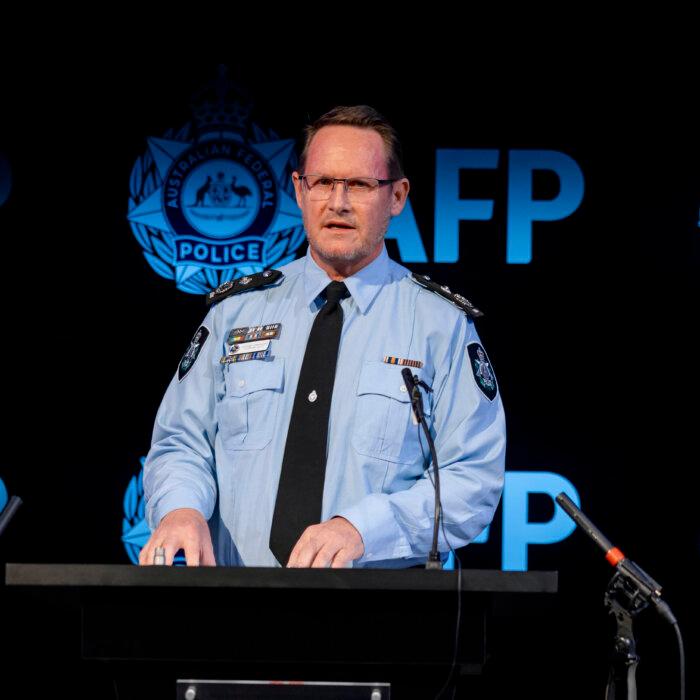
Hamish Hansford, head of national security at Home Affairs, told the Australian Institute of International Affairs that in the years after Sept. 11, security agencies created “massive infrastructure” to combat the threat of terrorism.
Then, by the end of the decade, they had to change to counteract organised crime.
But despite the Internet having been available since about 1983, it wasn’t until 2016 that Australia began developing a cybersecurity strategy.
This means Australia now faces a “deeply embedded risk in society that has crept up on us over the last 30 or 40 years,” he said.
The country’s security agencies are now dealing with “a global order that is effectively fracturing,” and the threats emerging from that are no longer as clearly definable as ’terrorism‘ or other types of crime but are increasingly ’hybrid risks,'” Hansford explained.

An abandoned caravan laden with old mining explosives was found in a rural suburb in outer Western Sydney containing a list of Jewish institutions or locations.
Iran Hired Criminal Gangs to Sow Social Discord
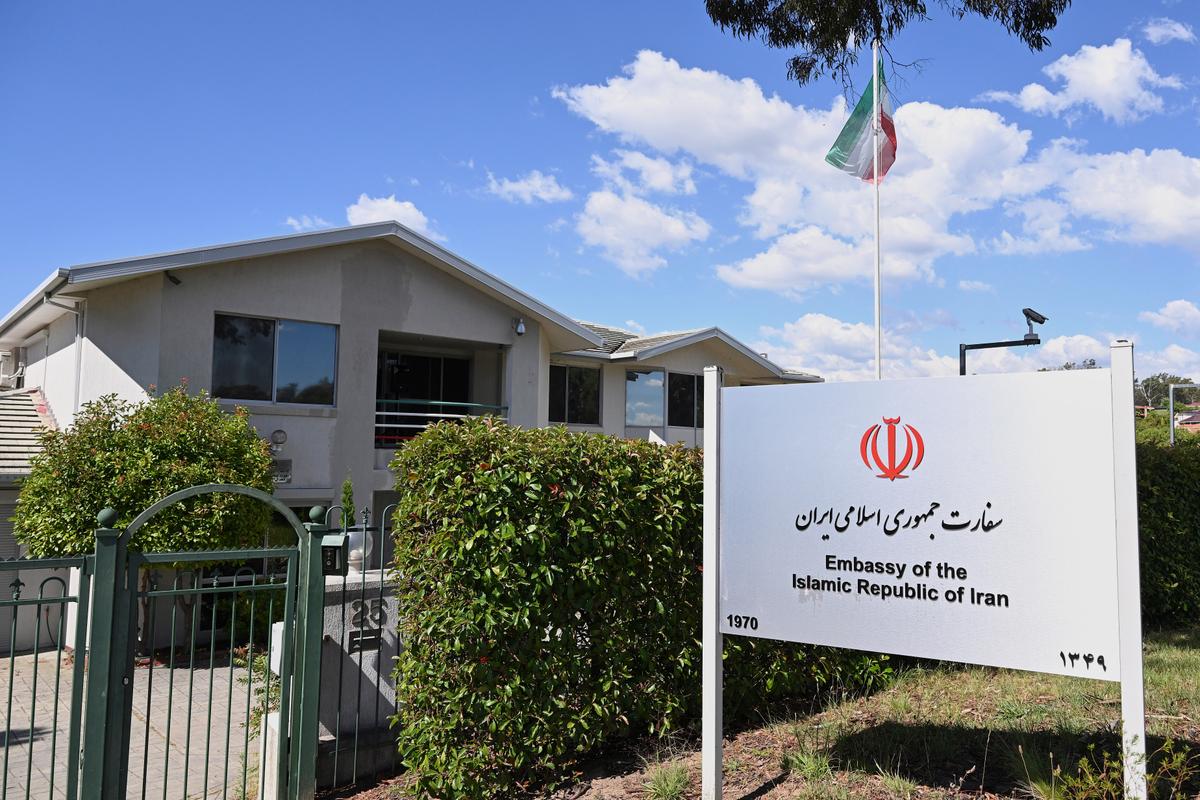
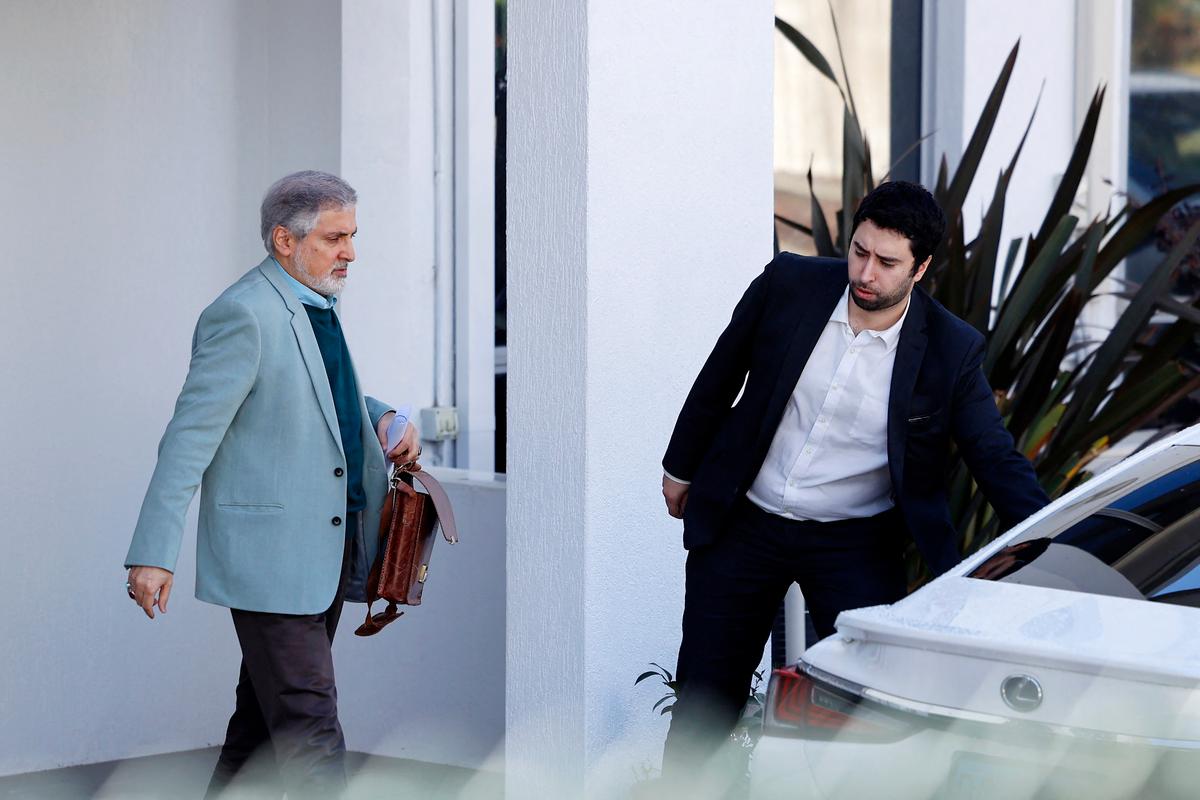
Hours before Hansford’s address on Aug. 26, Prime Minister Anthony Albanese and Home Affairs Minister Tony Burke revealed that security agencies had “credible intelligence” that Iran’s Islamic Revolutionary Guards Corps had directed attacks against a synagogue in Melbourne and a Jewish restaurant in Sydney.The Iranian ambassador was expelled and operations at Australia’s embassy in Tehran suspended. This was only the latest incident in which Iran has used criminal gangs to carry out crimes abroad.
“But the point for us is it is convergent risk coming together,” Hansford said, noting that several security representatives had spoken about how “state and cybercrime are coming together.”
Australia at Risk From Multiple Outages
Over the last two years, Hansford said over 15 telecommunications towers were damaged across the country.“Now that is significant, because the sabotage has got increasingly worse. It started with removing the bolts on telecommunications towers, and once they were replaced with unmovable bolts, people just drove a truck into the tower, damaging infrastructure across the country,” he said.
Hansford also revealed alarming vulnerabilities in some critical infrastructure systems in Australia.
“One major system, [important] for the economy, there was no business continuity arrangements, and no one had thought about that since the system was developed over 40 years ago,” Hansford said.
“Another critical infrastructure asset didn’t have any written procedures about what to do if something went wrong. One in particular, a very, very important piece of infrastructure, had no physical protections. You could walk up to it and stop it from working.”
The government has now defined the top 220 systems of national significance, Hansford said.
“We’ve been working with those companies to develop their own Incident Response Plans, to exercise those plans and to share best practice across the economy.”
Overall, despite having ignored the risk for some years, the country has experience in handling outages in major infrastructure due to a range of weather, bushfire incidents, and other challenges to its supply chain, such as the pandemic.
“One day, we think we will have a large-scale set of incidents of some sort, and every day that we don’t prepare for that and we focus on things like data breaches is a day lost. If you think about national risk, that’s really what drives us,” Hansford warned.
“That’s not to say that data breaches are not important. They are because information is particularly important, but in a hierarchy of consequences for the nation, it is less important than the foundational functioning of society and the foundational infrastructure that we rely on every day.”